
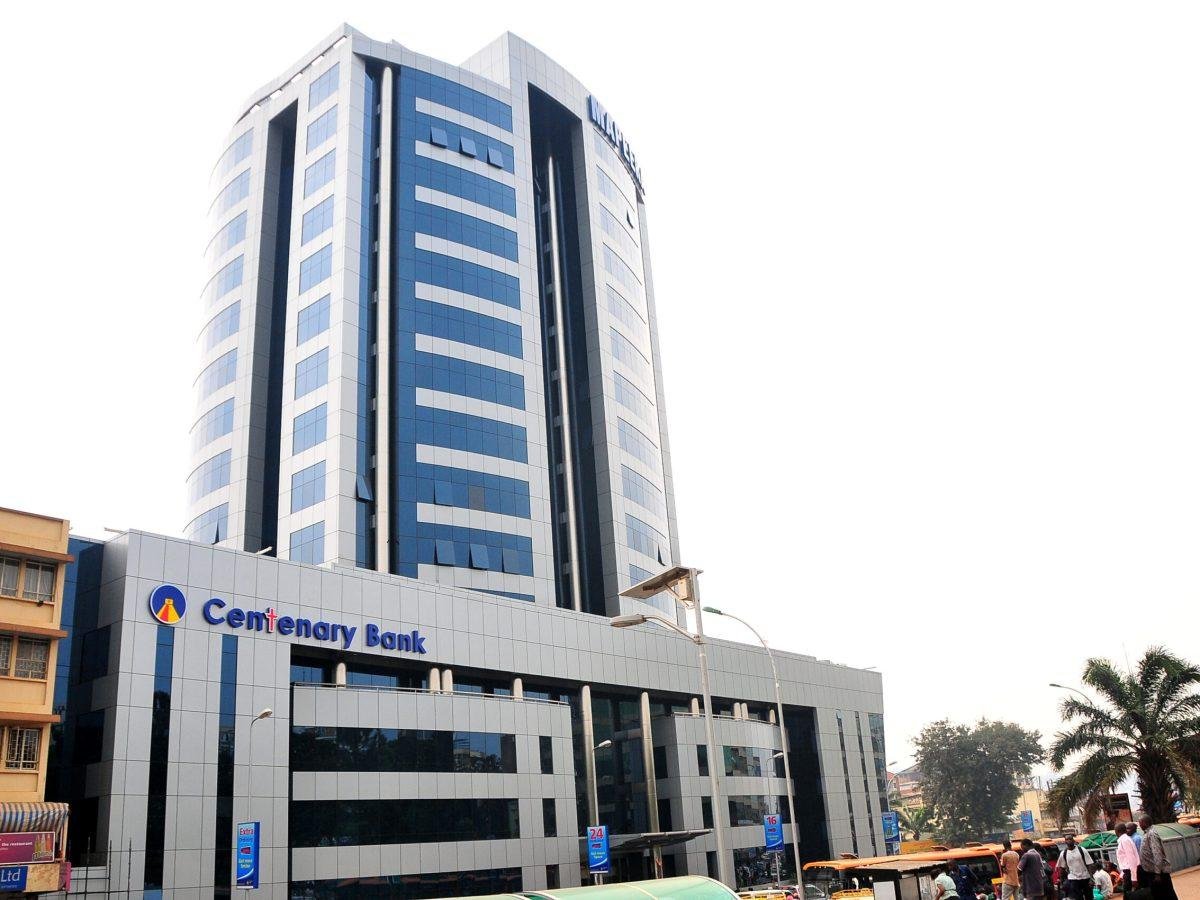
Shs28 trillion is what Uganda’s banks lend to the private sector today. Shs490 trillion is what they say they must lend by 2040. That is about 17 times more money, and it is the number on which a US$500 billion economy now rests.
The target is the banking industry’s answer to the Government’s Tenfold Growth agenda, which aims to take the economy from about US$50 billion in 2025/26 to US$500 billion by 2040. The Uganda Bankers’ Association has built a response strategy around mobilising long term funding and expanding private sector credit to Shs490 trillion. It has also been clear that commercial banks will not supply the money alone. Deeper capital markets, together with domestic, regional and international long term finance, have to come with them.
The arithmetic is unforgiving. Outstanding private sector credit stood at Shs26.72 trillion in May 2026, up 1.1 percent from Shs26.43 trillion in April. A Bank for International Settlements presentation citing the association put the stock at about Shs28 trillion against the Shs490 trillion target. Bank of Uganda has said the credit to GDP ratio, now about 12.4 percent, would need to move towards 50 percent. That is not a routine expansion of loan books. It is a different financial system.
Volume is the easy part of the slogan. The harder part is where the money goes, how long it stays out, and what it costs.
By May, personal and household loans held the largest share of outstanding credit, at 25.8 percent. Building, mortgage, construction and real estate followed at 18.4 percent. Trade took 14.3 percent, manufacturing 12.6 percent and agriculture 11.3 percent. New approvals told a similar story. Personal and household loans took 30.4 percent of credit approved that month, trade 28.3 percent, building, construction and real estate 13 percent, and agriculture 11.1 percent. Property is a large part of the book. It is not where the Tenfold plan says the next decade of growth will come from.
Finance Minister Henry Musasizi has told banks to cut rates and push more money into productive sectors. Average lending rates are still between 18 and 20 percent. In May the weighted average rate on shilling loans eased to 18 percent from 18.26 percent in April. Foreign currency rates slipped from 7.34 percent to 7.28 percent. A one point move matters, but it does not turn short, expensive credit into the patient capital that agro industrialisation, tourism, minerals, oil and gas, and science and technology require. More than 70 percent of bank lending is still short term. Only about 12 percent of Ugandans access formal credit.
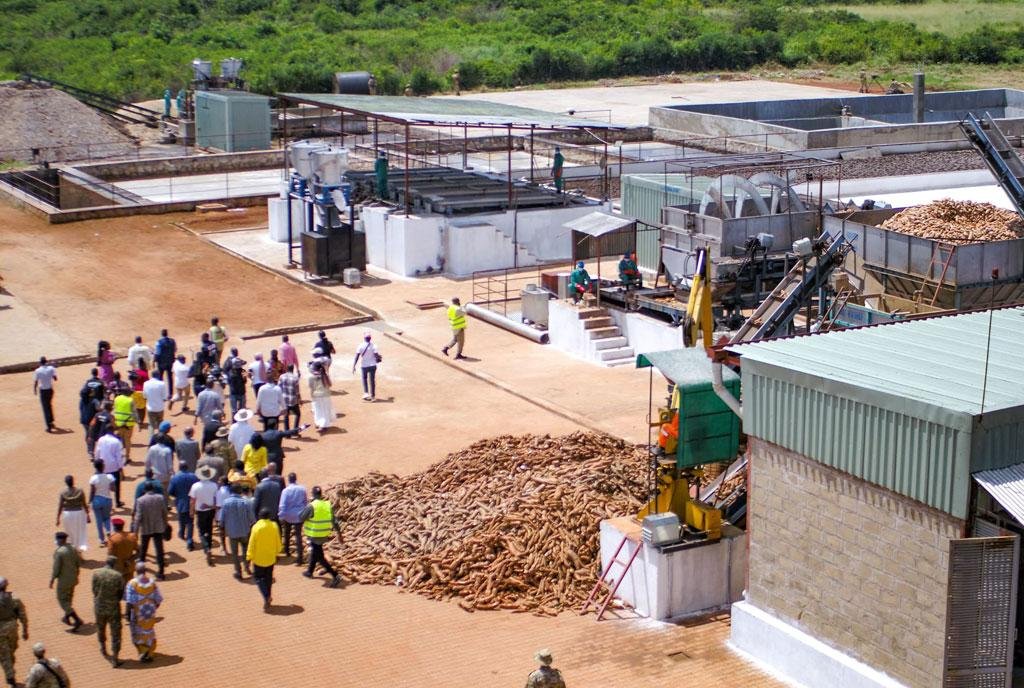
The 2026 Annual Bankers Conference, held in September under the theme “The Role of Uganda’s Financial Institutions in Facilitating Tenfold GDP Growth,” was an admission of that gap. Sessions on minerals, science and technology, tourism, agro industrialisation and exports kept returning to the same point. Conventional working capital loans will not build a US$500 billion economy. Bank of Uganda Governor Michael Atingi-Ego has said banks should not try to supply this capital on their own, and has asked institutions to show how deposits, long term funding and capital will grow with any larger loan book. The association’s own figures sharpen the problem. About 70,000 registered entities currently access bank credit. The credit levels implied by the tenfold plan would need something closer to 437,000 bankable borrowers.
Real estate shows both the opportunity and the limit. Property remains one of the biggest destinations for credit, and prime assets still attract capital. Businessman Sudhir Ruparelia’s acquisition of the former UAP Insurance building at Plot 1 Kimathi Avenue has refocused attention on Kampala’s best commercial stock. The price was not disclosed. The building had been tied to UAP before the insurer moved operations to Nakawa Business Park. The deal lands as Old Mutual reviews East African property holdings and as the office market splits. Knight Frank Uganda’s first half 2026 review put Grade A rents at about US$17 per square metre a month, up from US$16.50 a year earlier. Grade AB rents fell from US$14.50 to US$14. Occupancy averaged 87 percent in Grade A and A+ buildings, against 83 percent for Grade AB. Quality, location, parking and management now decide who gets the tenant, and who gets the loan repaid.
That is the test inside the larger one. Banks can keep financing income producing property. They cannot treat a larger property book as a substitute for manufacturing, exports and infrastructure. Every shilling locked in a weak building is a shilling not available for a sector the growth plan is counting on. And any rush to multiply lending without matching deposits and capital risks the credit quality that has lately improved. Private sector credit was growing at 16.1 percent by June 2026, with non performing loans at 2.67 percent, the lowest since 2011.
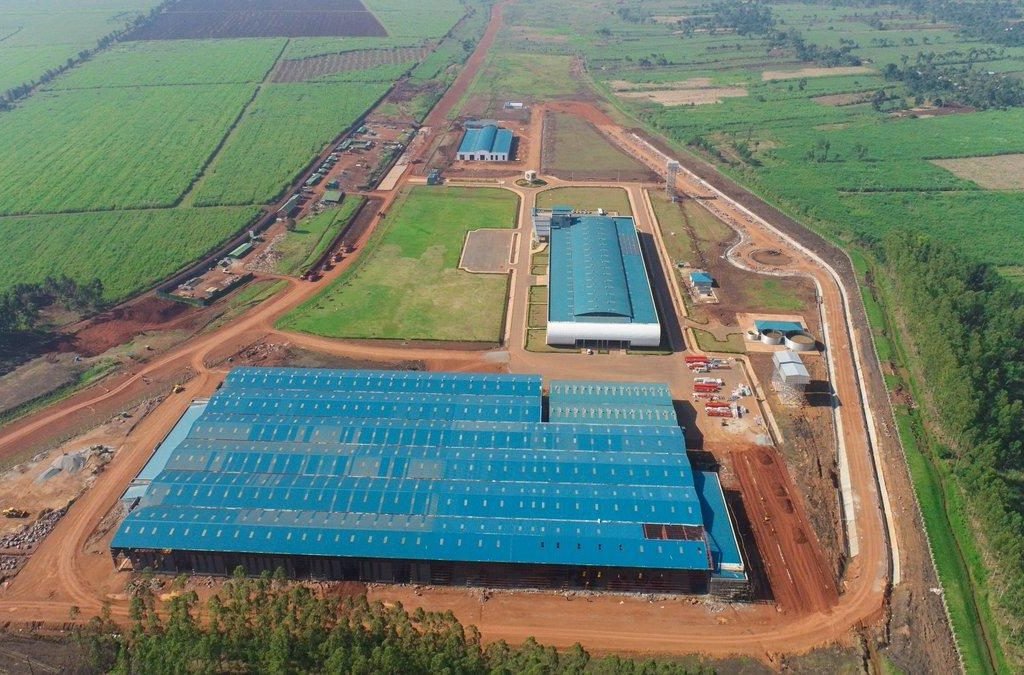
Shs490 trillion by 2040 is possible only if three things move together. Banks have to mobilise longer money. Capital markets have to raise the hundreds of trillions government says bank balance sheets cannot carry. And the economy has to produce far more borrowers who can take long term credit and pay it back. Without that, the 17 fold target is a conference commitment, not a financing plan.
