
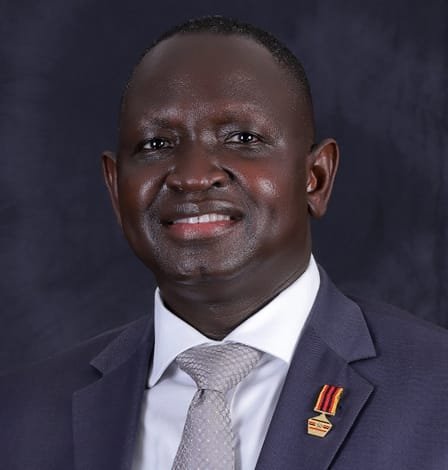
The Petroleum Authority of Uganda (PAU) is entering a new phase of leadership as the country moves closer to commercial oil production and crude exports. After about a decade at the helm, PAU Executive Director Ernest Rubondo has left the regulator, with Michael Otonga Ochan taking over as Acting Executive Director from September 1, 2026.
Ochan was among the Authority’s founding staff when PAU was established in 2016. He previously served as Director of Finance and Corporate Services at PAU and spent nine years as Commissioner of Corporate Services at the Uganda Revenue Authority.
His appointment provides continuity as the regulator prepares to oversee Uganda’s transition from petroleum project development to commercial production.
The leadership transition comes as major oil infrastructure, including the East African Crude Oil Pipeline (EACOP), approaches completion. Uganda expects to begin commercial oil production before the end of 2026, with crude exports expected to follow.
Fred Kabanda has been selected as the incoming substantive Executive Director, according to industry sources cited in the transition plans.
Kabanda is currently associated with the African Development Bank’s non-renewable natural resources work and has more than two decades of experience in Uganda’s energy sector. His background includes petroleum geoscience, natural-resource governance, and work within the Ministry of Energy and Mineral Development.
His expected return to Uganda’s petroleum administration comes as PAU faces a different set of regulatory demands from those that dominated its first decade. During the development phase, the Authority’s work has centred heavily on regulating field development, infrastructure construction, environmental requirements and national content.
The commercial phase will place greater emphasis on production monitoring, revenue protection and export oversight.
One of the key tasks will be scrutinising recoverable costs submitted by oil companies before revenue-sharing mechanisms begin generating returns for the state. PAU will also have to oversee production measurement, crude volumes, export documentation and compliance as Uganda’s oil enters international markets.
National content will remain another priority, particularly as commercial production creates demand for Ugandan workers and suppliers across the petroleum value chain. The regulator will also continue enforcing environmental and operational standards across production areas.
The change at the top therefore comes at a defining point for Uganda’s oil industry. The next PAU leadership will not only oversee the final stages of Uganda’s transition to first oil but also help determine how effectively the country regulates production, protects public revenue, and manages its entry into the international crude market.
