
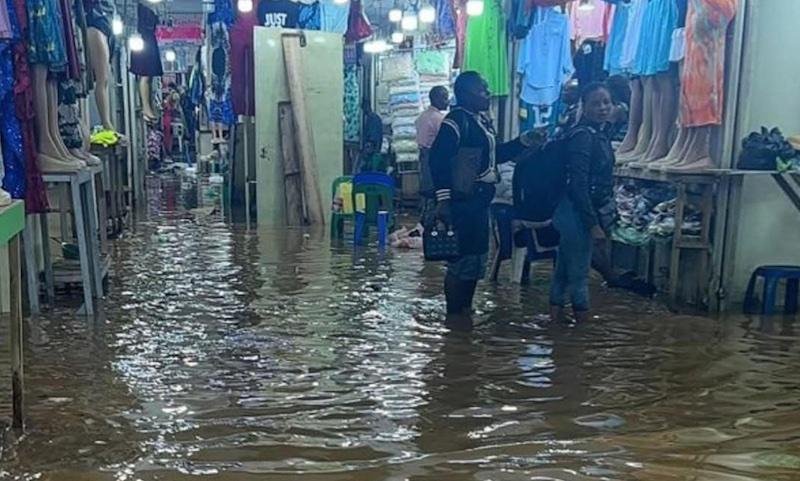
Kampala’s trading community is facing a fresh squeeze as flood-affected businesses continue waiting for a Shs20 billion government relief package while street vendors threaten demonstrations over the city’s enforcement of trade regulations.
The two disputes, although involving different groups, expose a common problem facing Kampala’s commercial sector: businesses operating under growing financial pressure while government agencies struggle to balance relief, regulation and the need to restore order in the capital.
The Shs20 billion package was announced by the government to support traders whose merchandise was destroyed when flooding around the Nakivubo Channel submerged parts of downtown Kampala in October 2025. The Office of the Prime Minister confirmed that the money had been earmarked as ex-gratia support. However, disbursement has stalled over disagreements about who qualifies for the assistance.
Prime Minister Robinah Nabbanja told Parliament that different institutions submitted conflicting beneficiary lists. The verification process eventually produced a list of 737 traders, but the dispute over the beneficiaries has continued to hold up payment.
Earlier lists reportedly contained substantial differences, with stakeholders submitting varying numbers of affected traders. The government has therefore been unable to proceed with the payout while the beneficiary records remain unresolved.
For affected businesses, the delay has prolonged the financial consequences of the floods months after the physical waters receded. Traders who lost stock must continue meeting rent, debt and other operating obligations without the relief they were expecting. At the same time, Kampala’s informal traders are facing another challenge.
Street vendors have renewed pressure on authorities to provide viable trading alternatives following enforcement operations aimed at removing them from roads, walkways and other unauthorised spaces.
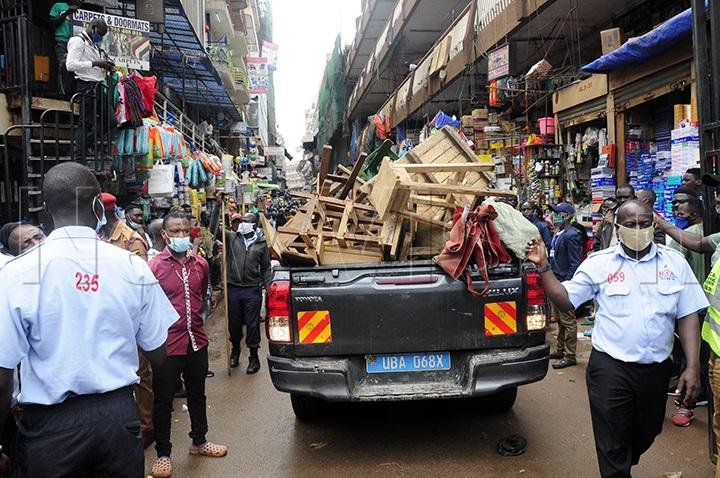
In August, vendors gave government a 14-day ultimatum, threatening peaceful demonstrations if their concerns were not addressed. They argued that they support efforts to organise the city but need designated spaces where they can continue earning a livelihood.
The dispute follows KCCA’s wider implementation of the Trade Order, under which vendors operating in ungazetted spaces can have their goods impounded and may face arrest or prosecution. KCCA says the policy is intended to restore order, protect public infrastructure and create a safer environment for legitimate businesses.
Authorities have also pointed to available spaces in public markets as an alternative to street trading. KCCA previously identified thousands of workspaces in its markets for relocation of vendors. The challenge is that relocation can have significant commercial consequences for traders whose businesses depend on high pedestrian traffic in the city centre. Moving from a busy roadside location to a formal market does not automatically guarantee the same customer base or income.
For Kampala’s wider economy, the disputes highlight the difficult balance between formalising trade and protecting livelihoods. Government wants a cleaner, more organised city in which businesses operate within established regulations. Traders, meanwhile, want enforcement to be accompanied by predictable alternatives and timely government support when disasters destroy their businesses.
The unresolved Shs20 billion payout adds another layer to that tension. Until the compensation dispute is settled and informal traders have workable alternatives, Kampala’s commercial recovery will remain caught between two competing pressures: the need to regulate the city and the need to keep its traders economically afloat.
