
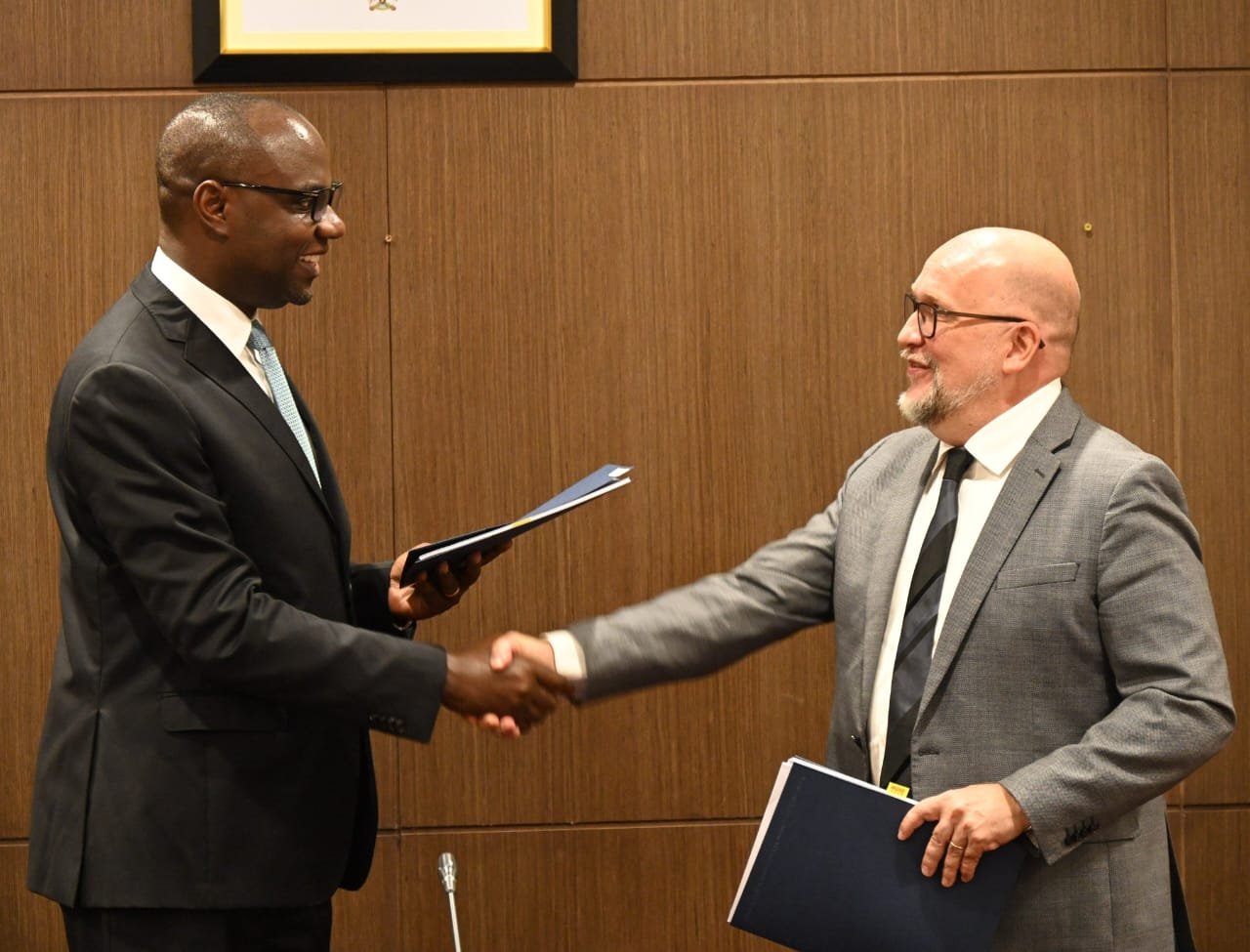
Uganda and the United States have signed a five-year health financing agreement worth about Shs6.42 trillion ($1.7 billion), marking a major shift in how American health assistance will be delivered through Uganda’s health system between 2026 and 2030.
Finance Minister Henry Musasizi and US Embassy Chargé d’Affaires Mikael Cleverley signed the Strategic Objective Agreement in Kampala on September 3, formalising a memorandum of understanding reached in December 2025.
Under the new arrangement, a larger share of US health assistance will flow through Ugandan government systems rather than being managed primarily by external implementing organisations, as has been the practice for many years.
Officials from both countries described the change as a deliberate move away from off-budget project support towards direct government-to-government financing.
Mr Cleverley described the agreement as a vote of confidence in Uganda’s institutions. For the Ugandan government, however, it also represents a major test of whether the state can effectively plan, spend and account for donor funds at a scale that has historically been managed by external partners.
What the Money Will Fund
According to officials, the agreement focuses on four broad priorities.
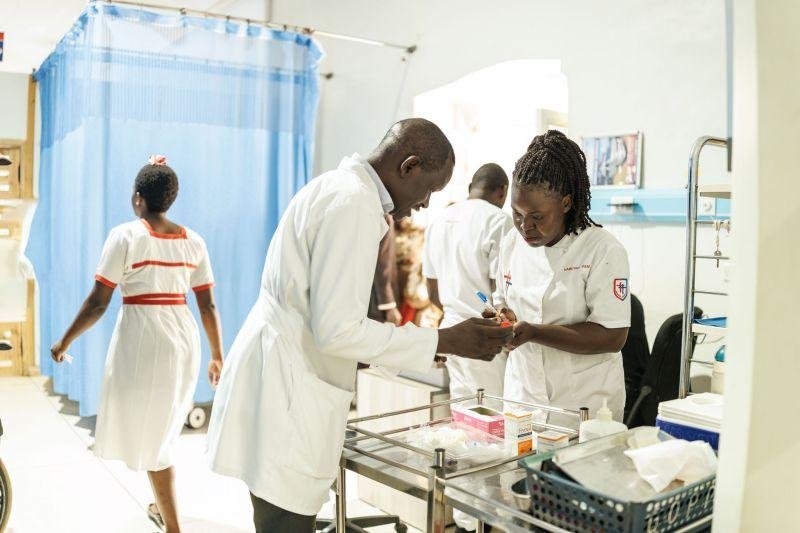
The first is sustaining the fight against Uganda’s major infectious diseases, including HIV/AIDS, tuberculosis, malaria and polio. The programme will also strengthen disease surveillance, laboratory capacity and the country’s ability to detect and respond to outbreaks.
The second priority is strengthening the systems that support healthcare delivery, including the health workforce, medical supply chains and financial management systems that determine whether medicines and other essential supplies reach health facilities on time.
Third, the agreement expands cooperation beyond individual disease programmes to broader institution-building. This includes strengthening planning capacity, accountability systems and health data management.
Fourth, the agreement establishes a co-financing arrangement between Uganda and the United States.
The broader health package is valued at about $2.3 billion. The United States is expected to contribute up to $1.7 billion, while Uganda has committed to increasing domestic health spending by more than $500 million over the five-year period. The additional Ugandan contribution is estimated at $577 million.
US support in the first year is projected at about $410 million.
Mr Musasizi described the signing as another milestone in a long-standing health partnership between Uganda and the United States. The partnership has supported HIV, tuberculosis and malaria programmes, disease outbreak response and medical supply chains.
Health Minister Dr Chris Baryomunsi welcomed the decision to channel the funds through the Ministry of Finance, saying the approach would streamline operations and align spending more closely with Uganda’s national health priorities.
He pointed to progress in the health sector, noting that HIV prevalence had declined from about 18.5 percent in the late 1980s and early 1990s to 5.9 percent currently, while life expectancy had increased from about 43 years to 68.
A Shift in Financing Architecture
For years, a significant portion of US health assistance to Uganda was managed off-budget through external implementing partners.
While this approach helped deliver targeted programmes, it also meant that the Ugandan government had limited control over areas such as procurement timelines, staffing decisions and long-term planning.
The new agreement seeks to change that model.
Under the arrangement, more funds will flow through government systems, with oversight from a newly established Joint Health Steering Committee.
The committee will oversee the allocation of resources, approve new activities, select implementing partners and monitor programme performance and financial accountability.
US support is also expected to decline gradually over the five-year period as Uganda increases its own domestic contribution.
Officials say the structure is intended to help build a health system capable of sustaining services after the funding period ends, rather than one that remains dependent on continued external assistance.
Risks Ahead
Health sector analysts, however, note that Uganda continues to face gaps in disease surveillance, health workforce capacity, medicine supply and public financial management.
The new agreement is designed to address many of these weaknesses directly.
But the shift also introduces new risks.
Channelling more donor funding through government systems will strengthen institutions only if procurement processes, payroll management, commodity tracking and audit systems can keep pace with the volume of resources involved.
Without sufficient capacity, the funds could encounter the same service delivery bottlenecks that have affected some off-budget programmes, but with less external oversight.
That creates a delicate balance for the government.
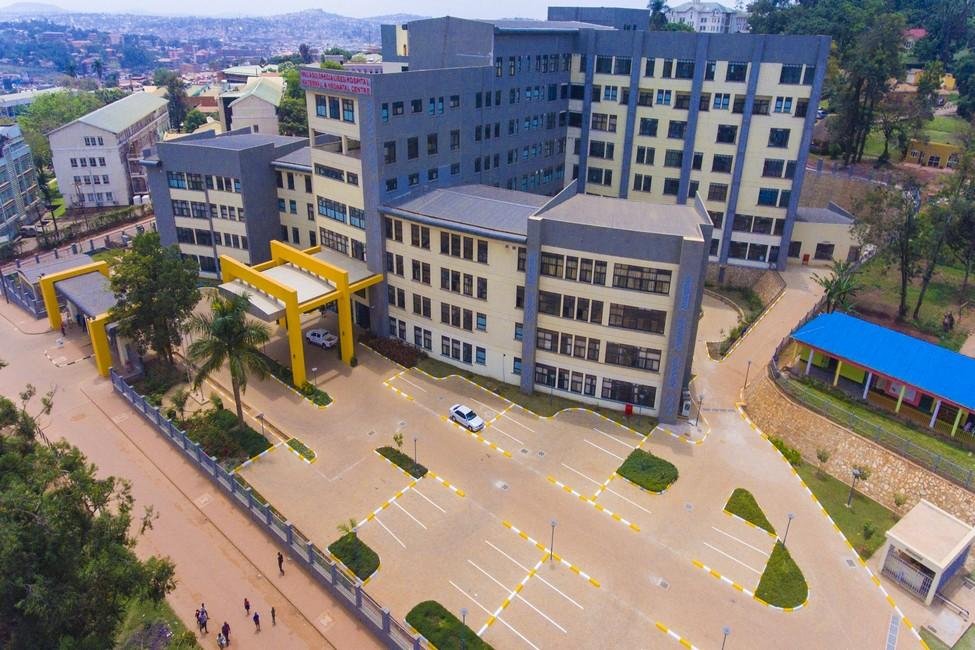
The agreement reflects increased confidence in Uganda’s institutional capacity, but it also places greater operational and reputational responsibility on government ministries to demonstrate results.
The ultimate measure will be whether the financing translates into tangible improvements, including more health workers on duty, medicines consistently available at health facilities and faster detection and response to disease outbreaks.
For the United States, the agreement provides a more streamlined mechanism for supporting Uganda’s health priorities while strengthening global health security.
For Uganda, the central question over the next five years will be whether Shs6.42 trillion, now moving closer to the state, can help build public health institutions capable of sustaining essential services well beyond 2030.
