
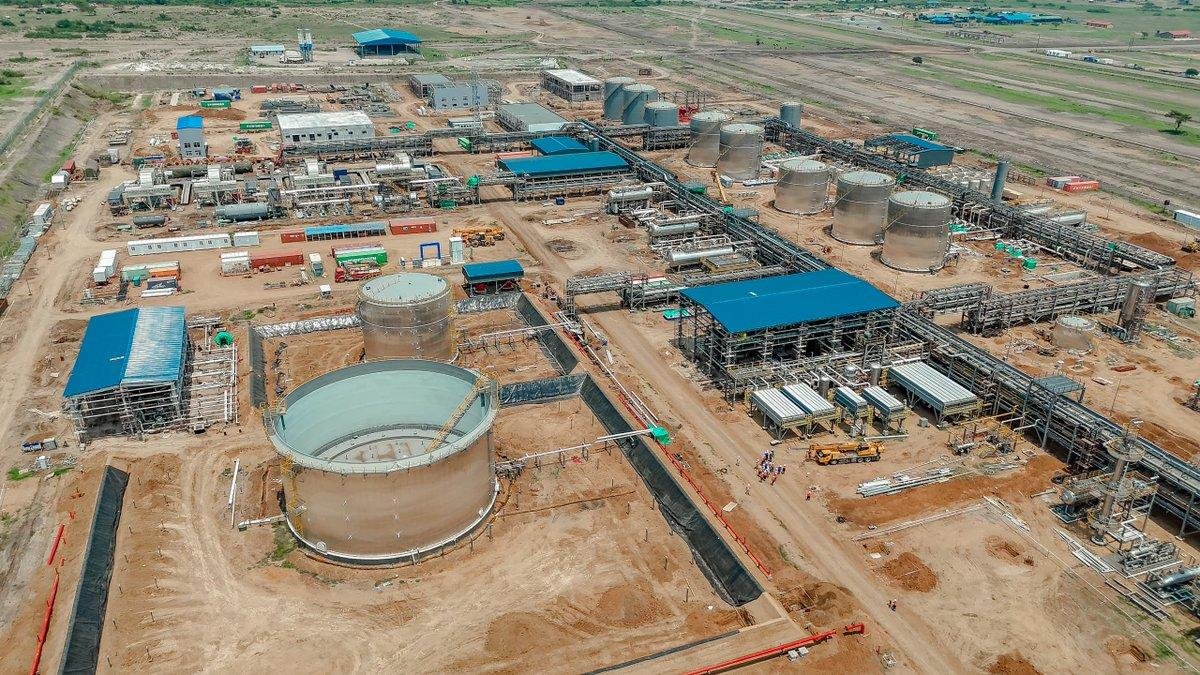
Uganda is approaching a rare economic situation in which the same rise in global oil prices could make the country richer in the future while making it poorer in the present.
Brent crude, the global benchmark against which many other oil prices are measured, rose above $100 a barrel this week as worsening conflict in the Middle East disrupted major oil shipping routes. For Uganda, which still imports all of its refined petroleum products but expects to begin exporting crude in 2027, the price surge creates two opposing effects.
Higher prices increase the potential value of Uganda’s future oil exports. At the same time, they increase the cost of the fuel the country must continue importing until domestic crude production and exports begin.
Uganda Has Not Exported Oil Yet, But Global Prices Already Matter
Uganda has named its first crude oil blend Pearl Sweet and appointed global commodities trader Vitol to market it internationally.
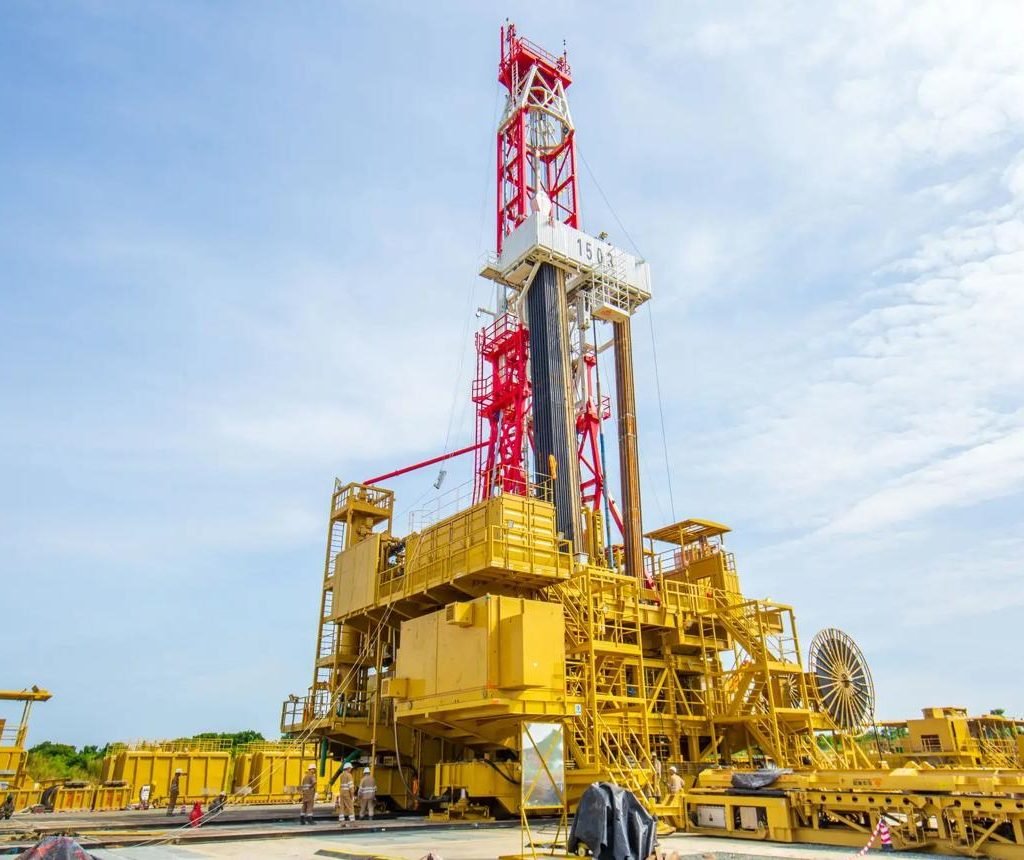
Commercial crude exports are expected to begin in early 2027, once the Tilenga and Kingfisher fields reach their combined production target of about 230,000 barrels per day. The crude will be transported through the 1,443-kilometre East African Crude Oil Pipeline to the Tanzanian coast for export.
The significance of the current oil-price increase is straightforward.
Officials expect Pearl Sweet to be priced broadly in line with Brent once exports begin. That means every sustained increase in the international benchmark could increase the value of Uganda’s future crude exports.
At full production, a $10 increase in the price of oil could add roughly $840 million a year to the gross value of Uganda’s potential crude exports, based on production of 230,000 barrels per day.
That is not the amount Uganda would receive as government revenue. Production costs, taxes, royalties, financing obligations and other deductions would reduce the amount ultimately captured by the state.
But the calculation illustrates the scale of Uganda’s exposure to global oil prices.
The higher the international price, the more valuable Uganda’s crude becomes once production reaches commercial levels.
The Immediate Effect Runs in the Opposite Direction
The benefit, however, remains several months away.
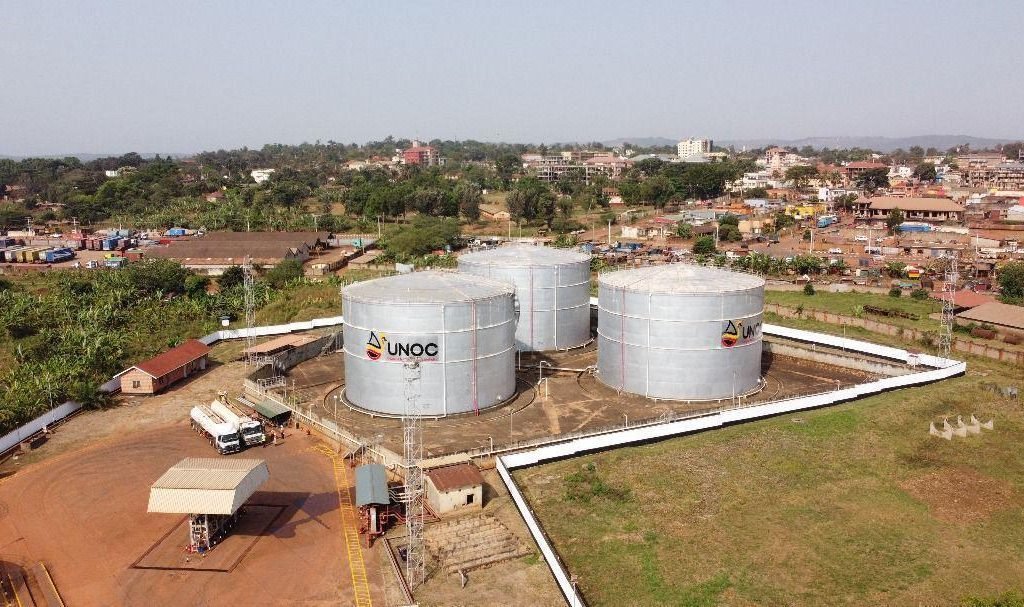
Uganda currently imports all of its petrol, diesel and jet fuel. The Uganda National Oil Company is legally responsible for importing petroleum products in bulk.
As global crude prices rise, the cost of imported fuel can increase. That pressure eventually works its way through the domestic economy.
Higher pump prices raise transport costs for buses, trucks, taxis and boda-bodas. Higher transport costs increase the cost of moving agricultural produce and other goods. Businesses then face higher operating and distribution costs, while households can see the impact through higher prices for transportation, food and other consumer goods.
This is why Uganda can experience the negative side of higher oil prices before receiving any of the benefits from its own crude production.
The country remains a net importer of petroleum products today, even as it prepares to become an oil exporter.
Uganda Is Caught Between Two Oil Economies
The timing creates an unusual economic mismatch.
Uganda’s future oil economy is built around selling crude into the international market. Its current economy depends on buying refined petroleum products from that same international market.
The same global price movement therefore affects Uganda from both sides.
When prices rise, Uganda’s future export earnings become more valuable. But its current fuel import bill also becomes more expensive.
The difference is timing.
The export revenue will only begin flowing after commercial production and exports start. The higher import costs, by contrast, can affect consumers and businesses almost immediately.
That creates a period in which Uganda can have an increasingly valuable oil resource underground while simultaneously facing higher energy costs above ground.
The Bigger Question Is How Much Uganda Will Actually Capture
The headline value of Uganda’s future oil exports does not translate directly into government revenue.
How much the country ultimately benefits will depend on production costs, taxes, royalties, contractual arrangements and the debt obligations associated with developing the petroleum infrastructure.
The duration of high global prices will also matter.
A prolonged period of elevated prices would increase the potential value of Uganda’s crude exports once production begins. A sharp fall in prices before or after commercial production would reduce those potential gains.
For households and businesses, the question is different: how much of the higher international price will be passed through to domestic fuel prices, and for how long?
The Double-Edged Effect
Uganda’s emerging oil economy therefore comes with a built-in contradiction.
The country is preparing to become an oil exporter, but it remains dependent on imported fuel. Rising prices increase the value of the resource Uganda hopes to sell while increasing the cost of the energy it needs today.
For the next year, most Ugandans are unlikely to experience the oil story through export revenues or government petroleum receipts. They are more likely to experience it through the price displayed at the fuel pump and the cost of getting from one place to another.
Uganda’s oil wealth is approaching.
The cost of waiting for it has already begun to show.
