
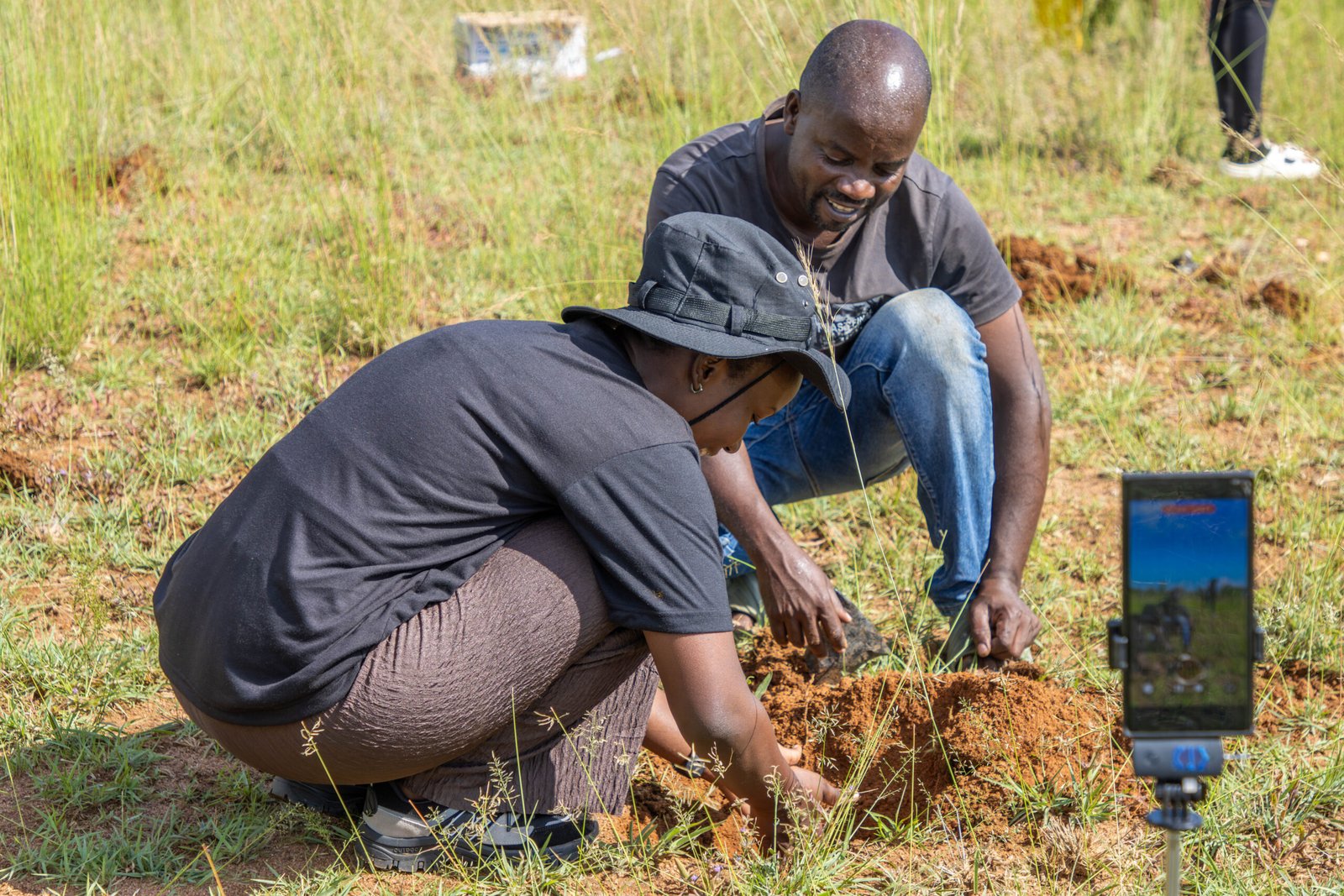
La Fang Eco Resort has launched an ambitious campaign to plant two million trees on Dolwe Island in Lake Victoria, positioning the island as a model for regenerative tourism and environmental restoration in Uganda.
The rocky island, where trees rarely grow naturally, will now see every guest plant a tree in their own name before leaving the resort. The initiative creates what the resort describes as a “living legacy” for visitors while directly contributing to restoring the island’s fragile ecosystem.
“Every visitor becomes part of the journey to restore and green Dolwe Island.”
The campaign reflects a growing global shift toward tourism models that do more than entertain visitors. Increasingly, travelers want experiences that positively impact local communities and the environment.
Dolwe Island’s ancient rock formations, birdlife, butterflies, and untouched scenery already make it one of Uganda’s unique hidden destinations. However, its limited natural tree cover leaves the environment vulnerable to erosion, biodiversity loss, and climate pressures.
By targeting two million trees, La Fang Eco Resort is turning conservation into part of the tourism experience itself.
The business potential behind the project is significant. Global travelers, particularly younger tourists, are increasingly drawn to eco-conscious destinations and meaningful travel experiences. By linking every stay to tree planting, the resort creates emotional connection, stronger brand loyalty, and long-term visibility.
“The future of tourism belongs to destinations that protect and regenerate nature.”
The resort already operates entirely off-grid using solar energy and an onsite water system, while also promoting organic farming, waste reduction, and environmentally responsible hospitality practices.
If successful, the initiative could position Dolwe Island as one of Uganda’s leading eco-tourism destinations, attracting conservation partnerships, sustainability-focused investors, and environmentally conscious travelers.
The campaign could also create wider economic opportunities for surrounding communities in Namayingo District through hospitality, guiding, transport services, tree nursery operations, and conservation work.
Environmentally, the project is expected to improve soil retention, strengthen biodiversity, support pollinators, and contribute to climate resilience around the Lake Victoria ecosystem.
Beyond conservation, the initiative turns tourism into a platform for climate awareness and public participation. Instead of simply visiting nature, guests actively contribute to restoring it.
“Sustainable hospitality is no longer just good ethics. It is becoming a competitive advantage.”
The success of the project will depend on long-term maintenance, community involvement, and ensuring strong survival rates for the planted trees in the island’s rocky conditions.
For Uganda’s tourism industry, La Fang Eco Resort’s approach offers a glimpse into the future. As global tourism increasingly shifts toward sustainability and experiential travel, destinations that combine conservation, community impact, and authentic experiences are likely to stand out.
The initiative also aligns with Uganda’s broader efforts to position itself as a leading eco-tourism destination ahead of Pearl of Africa Tourism Expo 2026, where sustainable tourism and conservation-driven experiences are expected to take center stage.
In the end, every tree planted on Dolwe Island represents more than environmental restoration. It represents a growing belief that tourism can become a force for regeneration, resilience, and long-term economic value for Uganda.
