
In the technology world, there is a common belief that ideas alone are not enough and that execution matters more than innovation itself. But a recent ruling by the Kenyan High Court has challenged that thinking in dramatic fashion, placing a multi-million-dollar value on intellectual property and creative innovation.
The case involved Peter Nthei Muoki, a Kenyan software developer who took on telecom giant Safaricom in a legal battle over a child-focused mobile wallet concept linked to M-Pesa. In a landmark judgment delivered on May 8, 2026, the court awarded Muoki $10.5 million USD, sending shockwaves across Africa’s technology and business sectors.
At the center of the dispute was a software concept known as M-TIN, a mobile wallet designed specifically for minors. The innovation introduced parental control features that allowed parents to monitor and manage how children used digital money. At a time when mobile finance was rapidly evolving across East Africa, the idea addressed a growing need for supervised digital financial access for younger users.
According to court records, Muoki shared the concept and technical details with Safaricom in 2021 in hopes of securing a partnership or licensing arrangement. However, Safaricom later introduced child-focused financial products that reportedly contained features similar to those proposed under M-TIN.
The dispute eventually escalated into a copyright infringement case that placed one of Africa’s largest telecom companies under intense legal scrutiny.
Justice Josephine Mong’are, who presided over the case, criticized Safaricom’s handling of the matter and questioned inconsistencies in the company’s explanation regarding the product’s development.
“Safaricom’s shifting explanations and rollout of the product during litigation fell short of the standards expected of a market leader,” the judge noted.
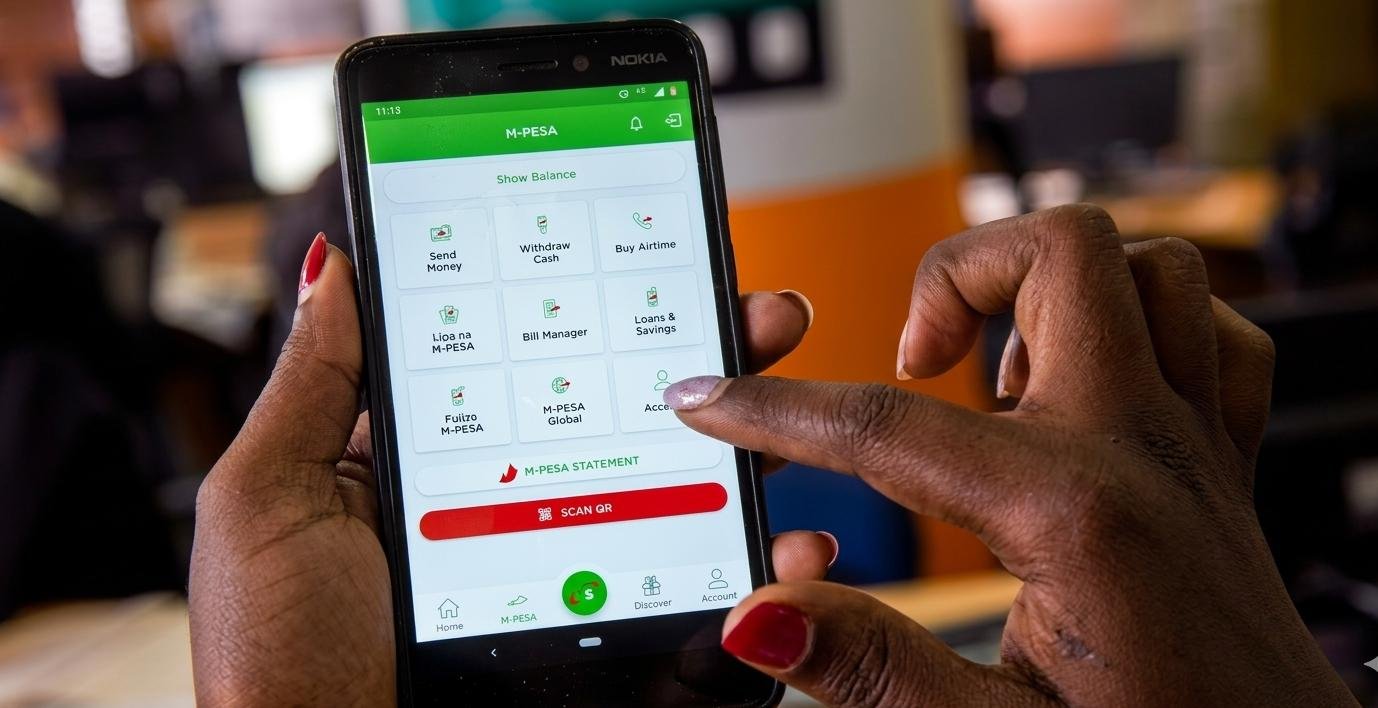
To determine damages, the court examined the enormous growth of M-Pesa revenues over recent years. M-Pesa revenue reportedly grew from Sh82 billion in 2021 to approximately Sh140 billion by 2024. The court ruled that Muoki was entitled to a share linked to the disputed functionality, resulting in the $10.5 million award.
The judgment went even further, ordering Safaricom to continue paying Muoki a percentage of future M-Pesa revenues tied to the disputed functionality beginning March 31, 2025.
Beyond the financial implications, the ruling is being viewed as a major moment for intellectual property rights in Africa. For innovators, it reinforces the importance of documenting ideas, proposals, and technical disclosures. For corporations, it sends a warning about how external proposals and partnerships are handled internally.
The case also highlights a broader shift happening across Africa’s innovation economy. As digital ecosystems expand, intellectual property is becoming one of the continent’s most valuable assets. Ideas are no longer viewed as informal concepts shared casually in meetings. They are increasingly recognized as commercial assets capable of generating enormous economic value.
“Innovation does not only come from boardrooms or billion-dollar companies. Sometimes it begins with one person and one idea.”
The ruling proves that intellectual property is no longer a secondary issue in Africa’s digital economy. A documented idea can become a legally protected commercial asset worth millions. For startups, developers, and innovators, properly documenting proposals, emails, prototypes, and presentations could become the difference between ownership and exploitation.
For corporations, the case may force major changes in how external proposals are handled. Companies are now likely to adopt stricter legal processes, stronger NDAs, and more structured internal systems to avoid similar disputes in the future.
The judgment also signals that Africa’s innovation economy is maturing. Courts are beginning to play a bigger role in defining how technology, creativity, and commercial ownership are protected across the continent.
Going forward, the case could reshape the relationship between independent innovators and large corporations. Businesses may become more cautious about absorbing external ideas without formal agreements, while startups and developers may become more intentional about protecting their intellectual property before entering partnerships or negotiations.
For investors and the wider technology ecosystem, the message is becoming increasingly clear: ideas have value, innovation has legal protection, and Africa’s digital economy is entering a new era where intellectual property can no longer be ignored.
For many observers, this may become more than just a court victory. It may become a defining moment for African innovation.
