
Every litre of fuel pumped in Uganda today is increasingly tied to decisions made in global capitals and conflict zones thousands of kilometres away. From the Strait of Hormuz to shipping routes across the Atlantic, global oil instability is quietly shaping the cost of doing business in Uganda.
Against that backdrop, Government is making a decisive shift, moving from managing fuel shocks to building long-term energy independence anchored on a US$4 billion refinery, expanded storage systems, and diversified supply chains.
Speaking at the Uganda Media Centre on Thursday, Permanent Secretary at the Ministry of Energy and Mineral Development, Eng. Irene Pauline Bateebe, outlined what she described as a structured national response to rising global energy uncertainty.
Uganda, she said, is deliberately investing in systems that will reduce vulnerability to external fuel shocks while strengthening domestic supply security.
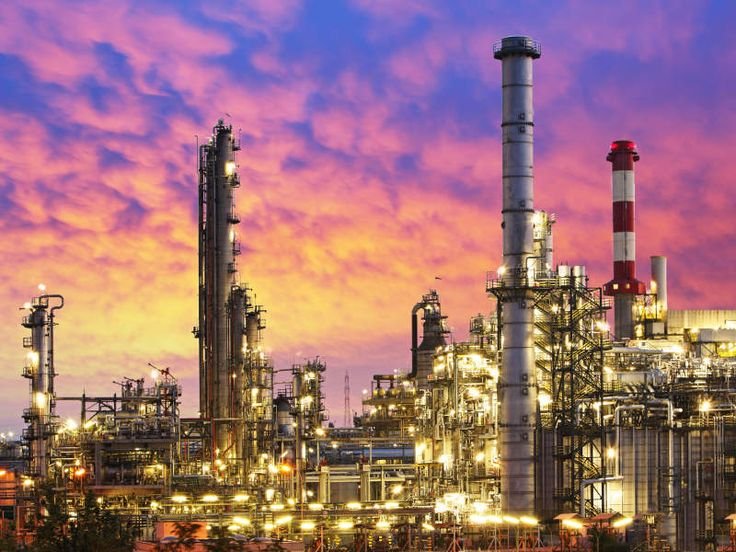
At the centre of this strategy is the Uganda Refinery Project in Hoima, a landmark investment expected to reshape the country’s downstream petroleum sector.
The 60,000 barrels-per-day refinery will include a processing complex in Kabaale, a 211-kilometre multi-products pipeline, and a major storage terminal at Namwabula in Mpigi District.
Government says the project will significantly reduce reliance on imported refined petroleum products, which currently expose the economy to global price volatility and supply disruptions.

“The refinery is expected to substantially strengthen Uganda’s strategic fuel reserves, stabilize long-term supply, support regional exports, and reduce the country’s exposure to global supply shocks and international price volatility,” Eng. Bateebe said.
Government has already signed key implementation agreements with Alpha MBM Investments of the United Arab Emirates, signalling progress from planning to execution.
For Uganda’s private sector, the implications are significant. Transporters, manufacturers, logistics firms, and agribusinesses have long operated under fuel price uncertainty driven by external markets.
The refinery, once operational, is expected to ease supply pressure over time, reduce import dependence, and improve price stability. While it will not immediately shield Uganda from global oil cycles, it signals a structural shift toward more predictable energy planning.
It also opens new investment opportunities across petrochemicals, fertilisers, LPG production, fuel distribution, and industrial manufacturing, sectors that typically expand around refinery ecosystems.
Alongside refining, Government is scaling up fuel storage capacity to cushion the economy against short-term disruptions.
The Jinja Storage Terminal is being expanded from 30 million litres to 40 million litres, while the Namwabula storage terminal in Mpigi District is expected to hold up to 320 million litres upon completion.
A 70 million-litre facility at Mahathi Infra Terminal under Lake Victoria Logistics is also being used to diversify import routes and reduce transport bottlenecks.
These investments are designed to ensure that Uganda can withstand temporary global supply disruptions without immediate shortages in the domestic market.
Government is also preparing for the future by expanding upstream exploration. A Third Petroleum Exploration Licensing Round is scheduled for the 2026/2027 financial year, opening new exploration blocks in the Albertine Graben and frontier basins.
Uganda National Oil Company has also begun seismic surveys in the Kasurubani area to identify additional commercially viable reserves.
Taken together, these developments reflect a broader policy shift, from dependence on imported refined fuel to a more integrated energy system combining local refining, storage resilience, and expanded resource exploration.
“Government is not only preparing Uganda for petroleum production and refining, but is also strategically investing in storage infrastructure, supply diversification, refining capacity, and continued exploration to guarantee sustainable long-term energy security for the country,” Eng. Bateebe said.
Government also confirmed that the Petroleum Supply (Liquefied Petroleum Gas Operations) Regulations, 2026, have been finalized and will soon be gazetted. The regulations are aimed at tightening safety, improving quality control, and formalizing the LPG market as demand for cleaner cooking solutions grows.
For investors and corporate players, Uganda’s energy agenda is increasingly about risk reduction and opportunity creation.
In the short term, fuel prices will remain influenced by global markets. But in the medium to long term, the country is positioning itself to reduce exposure to external shocks, stabilize supply chains, and build a more predictable operating environment for business.
If successfully implemented, the refinery and storage expansion strategy could mark a turning point, not just in Uganda’s energy sector, but in how the economy absorbs global volatility.
Uganda’s message to markets is becoming clearer: it cannot control global oil prices, but it is determined to control how much those prices disrupt its economy.
