

Every rise at the fuel pump tells a bigger global story. A conflict thousands of kilometres away in the Middle East is now quietly shaping transport costs in Kampala, food prices in local markets, airline fuel bills, and the operating expenses of businesses across Uganda.
As global oil markets shake under mounting geopolitical pressure, fears of fuel shortages and even higher pump prices have started spreading among consumers and businesses alike. But Government insists Uganda’s fuel supply system remains stable and that the country is moving aggressively to shield itself from future global energy shocks.
Speaking at the Uganda Media Centre on Thursday, Permanent Secretary at the Ministry of Energy and Mineral Development, Eng. Irene Pauline Bateebe, sought to reassure the market that Uganda continues to maintain adequate fuel stocks despite growing disruptions in international petroleum supply chains.
The briefing, held jointly with Uganda National Oil Company (UNOC), comes at a critical moment for the economy as rising fuel costs threaten to push up operational expenses across transport, manufacturing, logistics, agriculture, and retail trade.
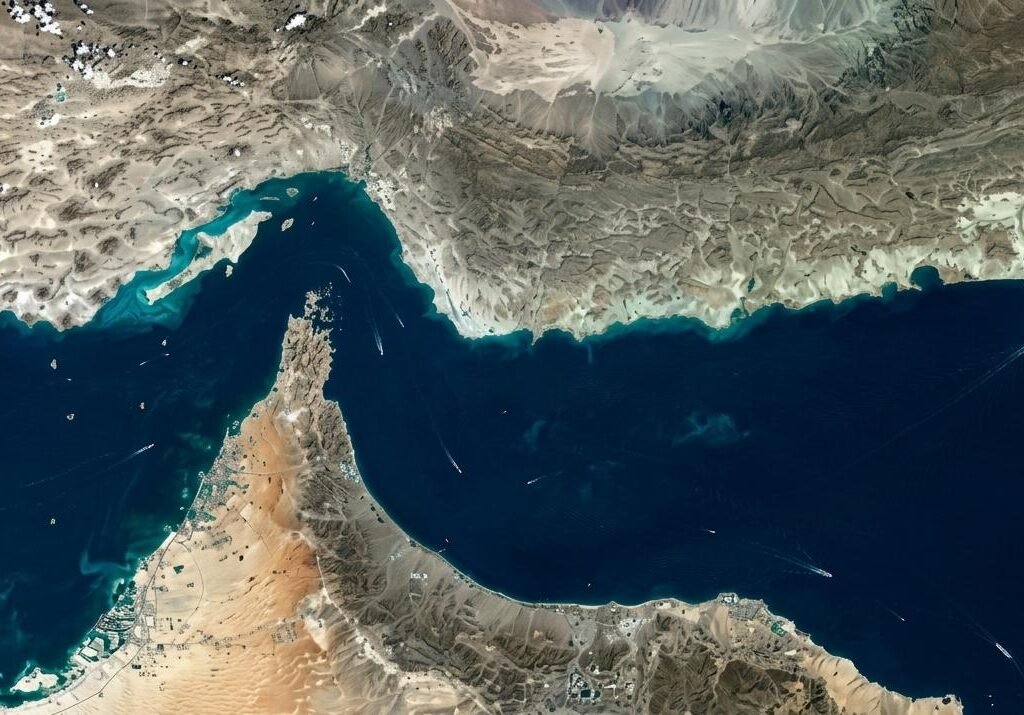
“Continued instability in the Middle East, particularly disruptions affecting the Strait of Hormuz, has significantly impacted global oil supply chains and international petroleum product prices,” Eng. Bateebe said.
The Strait of Hormuz remains one of the world’s most strategically important oil transit routes, handling a significant share of global petroleum shipments. Any disruption there quickly affects fuel-importing economies like Uganda, which remain heavily reliant on international supply chains.
Global prices for crude oil, petrol, diesel, and Jet A-1 fuel have already climbed sharply, alongside freight and insurance costs. The result is increasingly visible at Uganda’s fuel stations and across the broader economy.
For businesses, the impact is immediate. Transport operators are facing higher fuel bills, manufacturers are absorbing increased production and distribution costs, and retailers are dealing with growing pressure on supply chains and consumer spending.
Government acknowledged the recent rise in retail pump prices but emphasized that the situation is largely being driven by global market conditions rather than domestic shortages.
Officials also revealed that Uganda’s relatively lower fuel prices compared to neighbouring countries had triggered increased cross-border demand, especially in border districts, placing temporary pressure on local fuel stocks.
“Government and UNOC have since restored supply stability and strengthened ongoing importation arrangements,” Eng. Bateebe said.
To reduce Uganda’s exposure to Middle East supply risks, Government says UNOC has expanded sourcing beyond the Arabian Gulf.
Working with international supply partner Vitol, Uganda is now importing petroleum products from alternative markets including West Africa, Europe, India, and the Americas.
The diversification strategy is increasingly being viewed as a critical safeguard against future geopolitical disruptions and global oil shocks.
“Uganda continues to maintain adequate stock cover and regular product deliveries through both the Kenya and Tanzania supply routes,” Eng. Bateebe added.
She urged the public and businesses to remain calm, avoid panic buying, and ignore misleading information circulating on social media regarding fuel shortages.
Beyond addressing immediate supply concerns, Government also used the briefing to outline a broader long-term energy security strategy centered on infrastructure investment and supply resilience.
Among the key projects highlighted was the ongoing expansion of the Jinja Storage Terminal, one of Uganda’s strategic petroleum reserve facilities. Its storage capacity is being increased from 30 million litres to 40 million litres.
Government is also partnering with Mahathi Infra Terminal under Lake Victoria Logistics to improve transportation efficiency and diversify supply routes into Uganda and the wider East African region.
At the centre of Uganda’s long-term petroleum strategy is the proposed US$4 billion Uganda Refinery Project in Hoima.
The planned 60,000 barrels-per-day refinery is expected to significantly reduce Uganda’s dependence on imported refined petroleum products while strengthening local supply stability and regional export potential.
“The refinery is expected to substantially strengthen Uganda’s strategic fuel reserves, stabilize long-term supply, support regional exports, and reduce the country’s exposure to global supply shocks and international price volatility,” Eng. Bateebe said.
Government believes the refinery project could unlock new investment opportunities in petrochemicals, fertilisers, LPG production, logistics, and industrial manufacturing.
Uganda is additionally preparing to launch its Third Petroleum Exploration Licensing Round during the 2026/2027 financial year as it seeks to expand commercially recoverable oil reserves and strengthen long-term energy security.
Uganda National Oil Company has also commenced additional seismic surveys in the Kasurubani area to identify new petroleum prospects.
“Government is not only preparing Uganda for petroleum production and refining, but is also strategically investing in storage infrastructure, supply diversification, refining capacity, and continued exploration to guarantee sustainable long-term energy security for the country,” Eng. Bateebe said.
The Ministry also announced the finalisation of the Petroleum Supply (Liquefied Petroleum Gas Operations) Regulations, 2026, expected to be gazetted this month.
The regulations introduce stricter standards for LPG transportation, storage, filling, and retail operations in a bid to reduce accidents, illegal cylinder filling, counterfeit products, and unsafe handling practices.
The framework is also intended to professionalise Uganda’s LPG sector while supporting the country’s transition toward cleaner cooking energy solutions.
For investors and businesses, the developments highlight Uganda’s attempt to transform short-term fuel market pressures into a broader long-term energy security strategy.
As global oil markets become increasingly unpredictable, the country is betting on diversified supply chains, expanded storage infrastructure, and domestic refining capacity to protect the economy from future external shocks.
“Uganda’s energy and petroleum sector continues to make steady and irreversible progress,” Eng. Bateebe concluded.
