
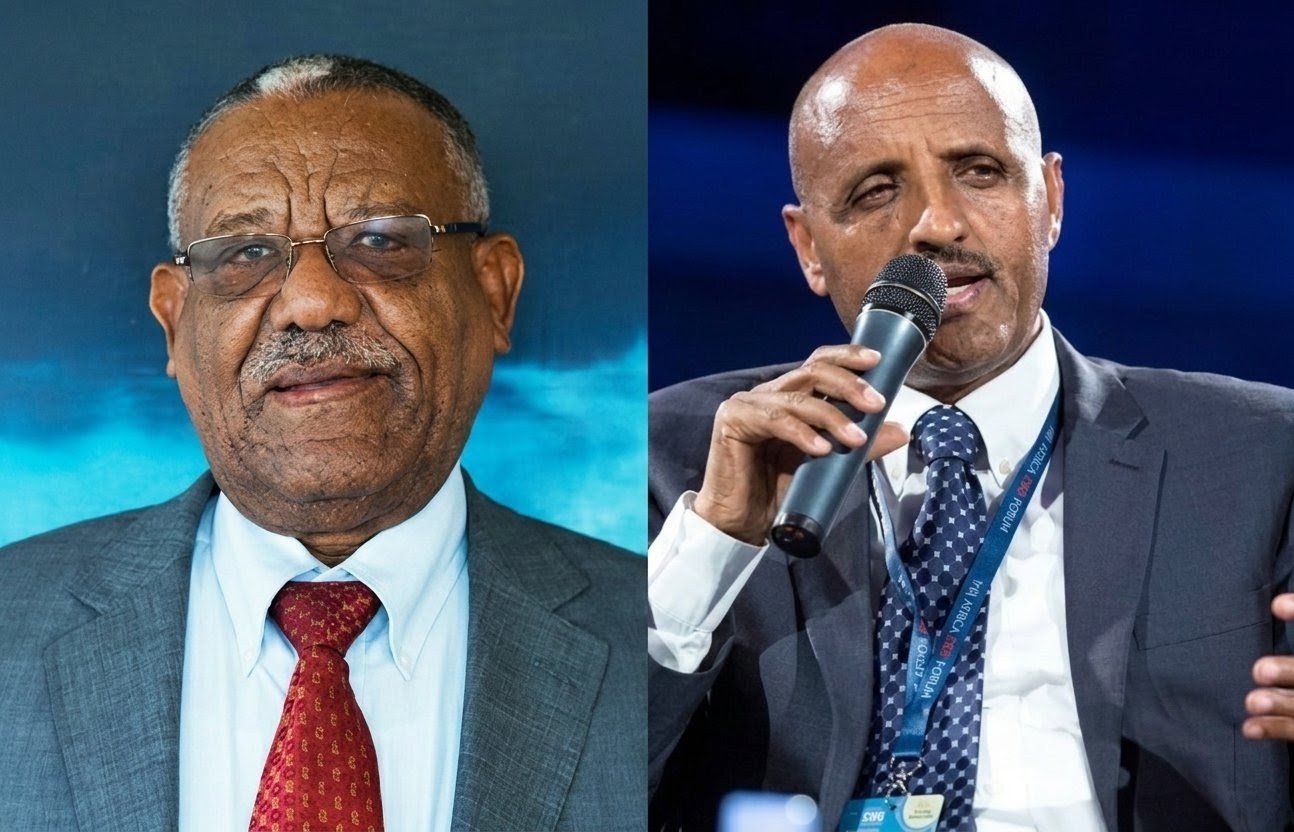
When a national carrier is losing money, losing aircraft, or losing the public’s trust, there is now a short list of people boards call first, and increasingly, they all trained at the same company. Uganda called one in February 2026. Air India called another in August. Both men once ran Ethiopian Airlines, and both were picked because Ethiopian’s institutional model has become the closest thing the aviation industry has to a proven turnaround playbook.
This is not coincidence. It reflects a pipeline that is quietly reshaping who gets trusted to run struggling airlines, from Entebbe to Mumbai.
The Numbers Behind the Reputation
Before getting into why these executives are so in demand, it is worth seeing exactly what they built, because the reputation did not come from nowhere.
Ethiopian Airlines Group closed its 2025/26 fiscal year with $9.1 billion in revenue. That is a 20 percent jump from the year before, and it is a new company record. The airline carried 20.7 million passengers, up roughly 8 to 10 percent year on year, and it moved 897,000 metric tons of cargo, a 16 percent increase. It now flies to about 150 international destinations and 25 domestic ones, operates a fleet of more than 170 aircraft with an average age under seven years, and employs around 18,000 people.
Rewind five years and the picture looked very different. Revenue had collapsed to $3.1 billion in 2020/21, the pandemic low point, when much of the world’s aviation industry was grounded or bleeding cash with no clear end in sight. From that floor, Ethiopian has nearly tripled its revenue in five years. Under its Vision 2035 plan, the airline is now targeting $25 billion in revenue, 67 million annual passengers, and a fleet of 271 aircraft.
Put that next to the rest of the continent and the achievement gets sharper. Industry analysts estimate the average African airline made a net profit of only about $1.30 per passenger in 2025. Most African carriers that survive at all do so with heavy state support. Ethiopian receives no operating subsidy from the government that owns it. It grew into Africa’s largest and most profitable airline group while competing directly against subsidized Gulf megacarriers and global giants, without a safety net underneath it. That detail matters more than it might seem, because it is the reason Ethiopian executives get treated differently in the job market than executives from more sheltered national carriers. They were never allowed the luxury of political convenience. They had to make the numbers work, or the airline would have failed.
Why Ethiopian Executives Keep Getting the Call
There are four concrete reasons boards keep reaching for Ethiopian alumni when things go badly wrong somewhere else.
The first is that these executives were trained inside a complete aviation ecosystem, not just an airline’s finance department. Ethiopian built its own training academy, the Ethiopian Aviation University, which produces pilots, cabin crew, ground staff, and technicians, not only for Ethiopian’s own fleet but for other African carriers as well. Combine that with in-house maintenance, ground handling, and catering operations, and you get senior leaders who have actually run the physical infrastructure of an airline. They know what it takes to keep an aircraft airworthy, staff a hub properly, and train a workforce from scratch, not just how to read a balance sheet.
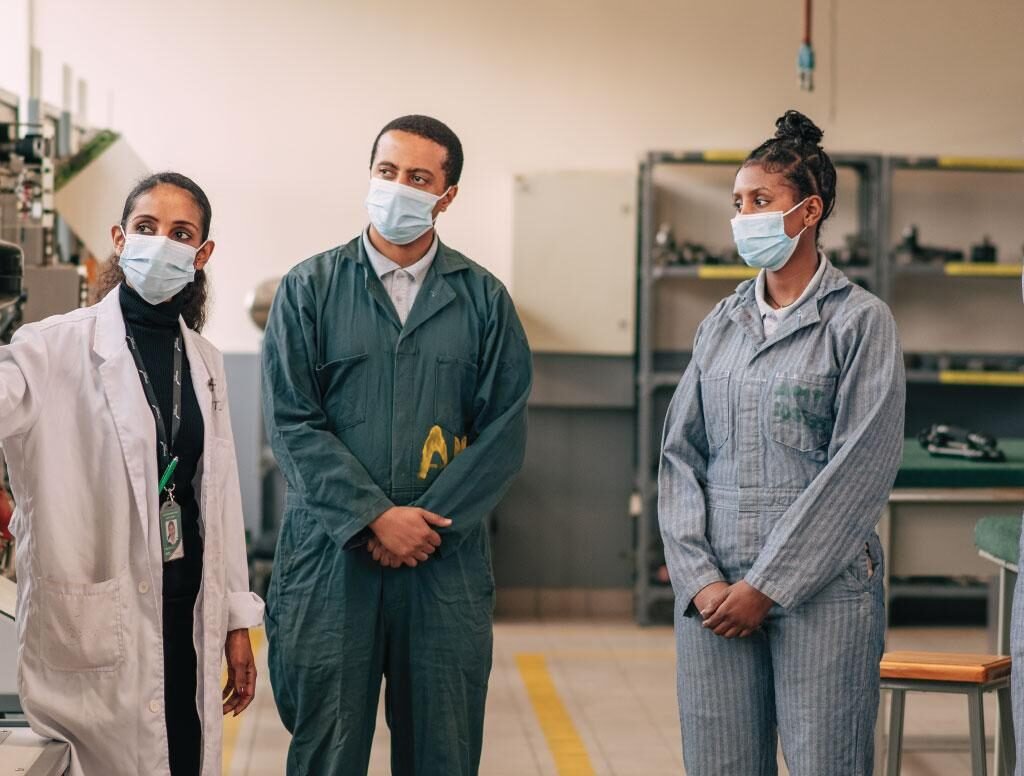
The second is that they built their careers without a subsidy cushion. Because Ethiopian is state owned but commercially self funded, its managers had to obsess over route economics, fleet scheduling, and yield management simply to keep the lights on. That environment produces executives who default to cost discipline instead of political convenience, which is exactly the instinct a board is desperate for when it calls someone in during a financial emergency.
The third is a demonstrated record of scaling an airline in a genuinely difficult operating environment. Over the past decade, Ethiopian roughly doubled its international destination count and grew revenue from around $3.1 billion to $9.1 billion, all while absorbing the shocks of COVID-19, regional conflict rerouting flights around danger zones, and currency instability that would sink a less disciplined operation. A board hiring for a turnaround wants someone who has already solved this exact class of problem, not someone with a theory about how they might solve it.
The fourth is credibility that spans every stakeholder at once. Tewolde GebreMariam sat on IATA’s Board of Governors, the African Airlines Association executive committee, and a UN advisory group on sustainable transport during his time running Ethiopian. Girma Wake has chaired both Ethiopian Airlines Group and RwandAir. That kind of multilateral standing means a new hire can walk into a struggling airline and be taken seriously immediately by regulators, unions, lessors, and government ministers alike, instead of spending the first six months of the job just trying to earn everyone’s trust.
Uganda’s Emergency Call
By early 2026, Uganda’s national carrier was in genuine trouble. A board audit in May 2025 and a criminal investigation into alleged mismanagement that opened in December 2025 exposed governance and financial problems serious enough that something had to give. President Yoweri Museveni removed CEO Jennifer Bamuturaki, and on February 13, 2026, he directed that Girma Wake, who had run Ethiopian Airlines from 2004 to 2011 and later chaired both Ethiopian and RwandAir, step in as consultant and acting CEO. Wake took over effective February 16.
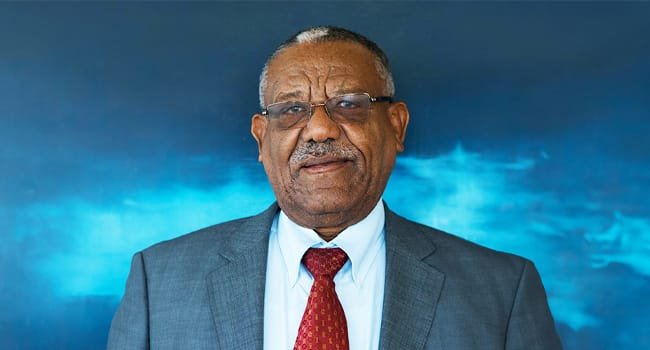
He was, at the time, in his early eighties, and some in aviation circles half jokingly call him the Godfather of the African Sky. He did not act like a man easing into a ceremonial role. He moved fast and specifically.
He identified that Uganda Airlines’ wet leased aircraft, meaning leases that come bundled with external crew and maintenance, were costing the airline roughly three times what a dry lease would cost, and he began shifting the fleet toward the cheaper model, including wet leasing Boeing 737-800s directly from Ethiopian Airlines to restore reliable scheduling fast while the airline’s own aircraft were brought back into service. He pushed the airline to build local technical capacity for simulator training and spare parts instead of depending on overseas vendors for everything. He restructured the flight schedule around Entebbe so that it functioned as a real connecting hub, feeding regional routes into medium and long haul departures rather than flying long routes with weak, half empty load factors. And he pushed the airline to diversify into cargo and ground handling revenue instead of leaning entirely on ticket sales.
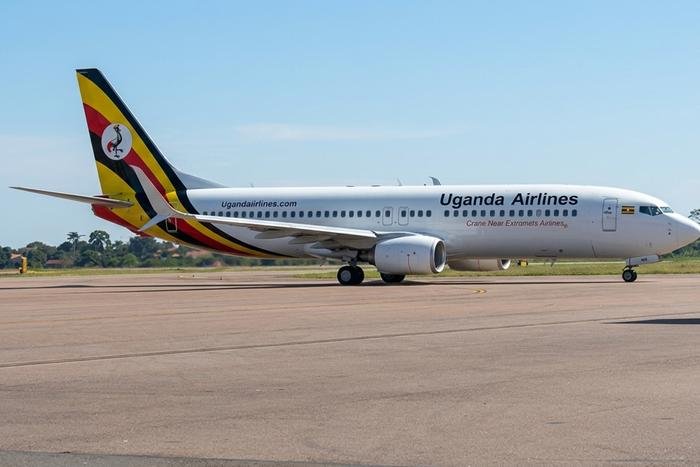
Wake was originally expected to hand off to a permanent CEO by July 2026. As of early August, that search was still ongoing, and Wake was still in the seat, steadying the airline in the meantime. By his own account, schedule reliability improved significantly over the following four to five months, and the airline began laying groundwork for fleet expansion and new routes even before a permanent successor was found.
Then Air India Called
While Uganda was still vetting candidates for that permanent role, another Ethiopian Airlines alumnus was being pulled toward a much bigger crisis entirely.
On August 5, 2026, Air India’s board announced that Tewolde GebreMariam, who had led Ethiopian Airlines Group as CEO from 2011 to 2022, would become the airline’s new Chief Executive Officer and Managing Director, succeeding Campbell Wilson, who had announced his resignation that April.
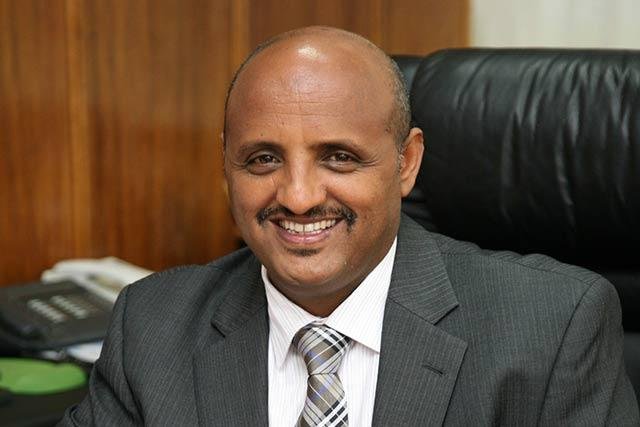
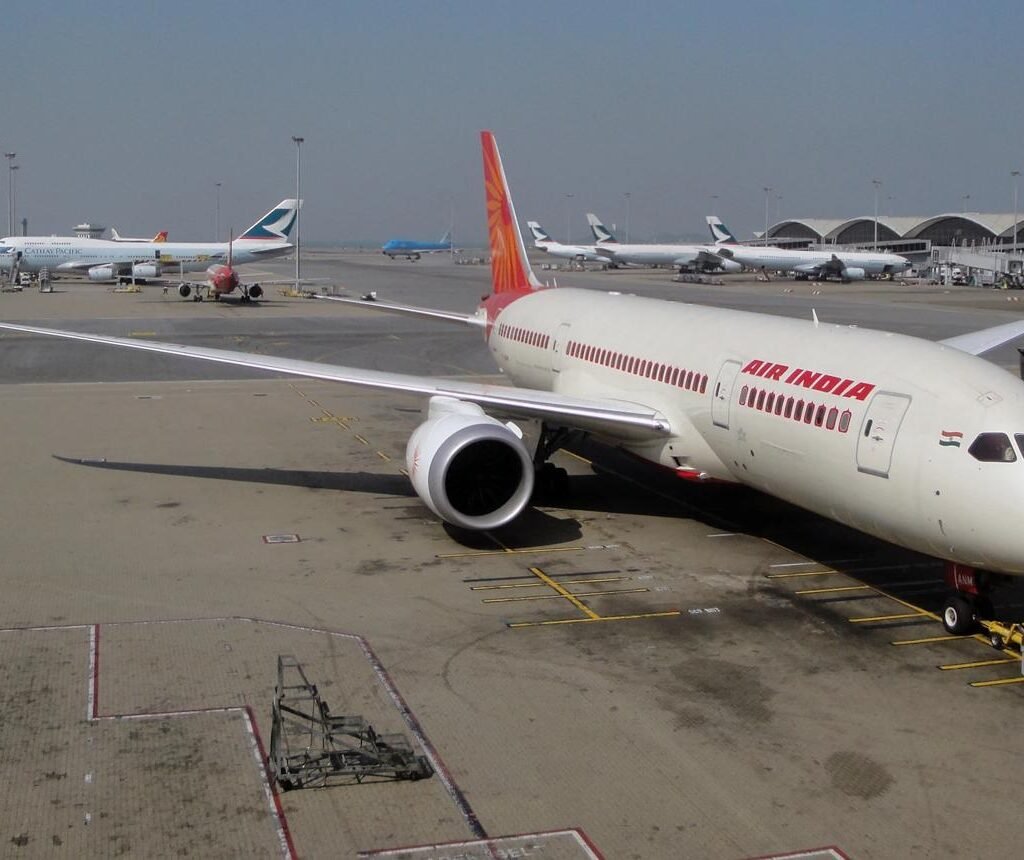
The timing was not gentle. Air India, majority owned by Tata Group with Singapore Airlines holding a 25.1 percent stake, was still working through the aftermath of a fatal crash the previous year, and it was carrying mounting losses tied partly to geopolitical tensions affecting its routes. Tata’s board ran a global search, evaluating both internal and external candidates, before landing unanimously on GebreMariam. The case for him did not require much persuasion. During his eleven years running Ethiopian, group revenue grew more than fourfold and the fleet nearly tripled, turning a regional East African carrier into Africa’s largest and most profitable airline group. He had also reportedly been vetted for the Uganda Airlines role, and for a post at Pakistan International Airlines, before choosing the larger, higher pressure job in India instead.
Air India has framed the hire as the moment its turnaround shifts gears, moving from simply stabilizing the carrier after the Tata Group takeover toward building it into something genuinely competitive on the global stage. The emphasis, straight out of GebreMariam’s own record, is on operational reliability, safety culture, and building real hub infrastructure rather than just adding routes on a map.
A Pattern Bigger Than Two Hires
Uganda and India are the headline cases, but they are not the whole story. The pipeline runs wider across Africa itself, and it feeds back into Ethiopian as much as it exports talent out of it.
Ethiopian’s current group CEO, Mesfin Tasew, spent eleven years as the airline’s Chief Operating Officer and ran ASKY Airlines before taking the top job at Ethiopian in 2022. ASKY itself, the Lomé based, Ethiopian backed regional carrier serving West and Central Africa, has been led since 2022 by Esayas Woldemariam Hailu, another Ethiopian veteran. His tenure at ASKY has been widely discussed in industry circles as a proving ground, the kind of regional stint that positions someone for an eventual return to lead Ethiopian Airlines itself one day.
That is the shape of the whole system. Ethiopian trains executives inside its own ecosystem, sends them out to run partner carriers and, increasingly, rival national airlines under real pressure, and sometimes pulls the most successful ones back in at the very top. It is a closed loop that keeps producing people with exactly the kind of hands on, no subsidy, crisis tested experience that boards elsewhere cannot easily find anywhere else.
Why the Model Travels Beyond Africa
For decades, struggling African carriers turned to expensive Western consultancies when things went wrong. Those firms would arrive, produce a thick strategy document, collect their fee, and leave, taking most of the institutional knowledge with them rather than leaving it behind in the airline itself.
The Ethiopian model works differently, and that difference is the whole point. It exports people who actually ran the machine, who understand firsthand what it costs to keep aircraft flying in a market with high fuel taxes, fragmented bilateral air service agreements between governments, and currency volatility that most foreign consultants never have to manage on a Tuesday afternoon, let alone survive for a decade.
GebreMariam’s move to Air India is the clearest evidence yet that this credential travels far beyond Africa’s borders. An operating background built entirely in Addis Ababa is now trusted to fix an airline that carries India’s national identity on one wing and a major global conglomerate’s reputation on the other.
The Takeaway
Ethiopian Airlines has become something closer to an executive training ground for the global aviation industry than a single national carrier. Its combination of in-house training infrastructure, subsidy-free financial discipline, and a track record of scaling revenue from $3.1 billion to $9.1 billion in five years has created a small, tightly networked pool of executives that boards now trust to fix airlines that are losing money, losing public confidence, or both at once.
Uganda Airlines and Air India are, right now, running two live tests of the same underlying thesis, one on a small regional carrier trying to find its footing, the other on a globally watched national flag carrier with a lot riding on the outcome. If both recoveries hold, a background running Ethiopian Airlines may end up meaning something in aviation that is very close to what a background at a top consulting firm already means in corporate strategy: not a guarantee, but about as close to one as the industry has.
