
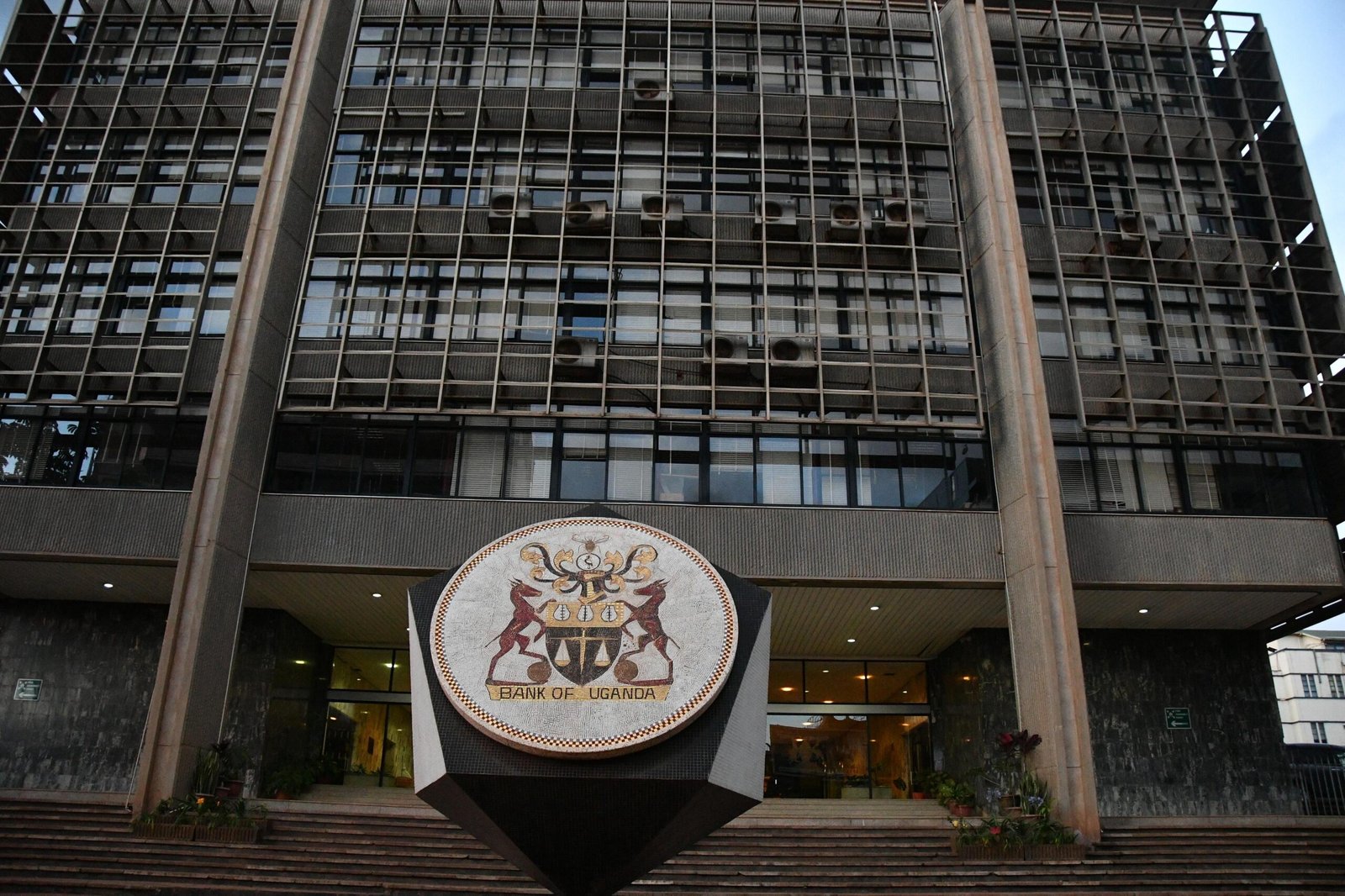
The Bank of Uganda (BoU) has tightened liquidity conditions in the banking system as the Uganda shilling comes under its sharpest pressure in nearly two years, raising the cash reserve requirement for commercial banks from 11 percent to 13.5 percent.
The 2.5 percentage-point increase takes effect on September 24 and requires commercial banks to hold a larger share of their applicable deposit base with the central bank rather than keeping the funds available for lending and other activities.
The move comes as the shilling has weakened rapidly against the US dollar, with the currency trading around Shs3,920 to Shs3,930 per dollar this week. At the end of August, the median rate at Kampala forex bureaus was around Shs3,740, meaning the shilling has lost roughly 4 to 5 percent in less than three weeks. The depreciation has accelerated amid strong demand for dollars from importers, particularly companies in the manufacturing and energy sectors.
Higher global oil prices have added to that demand. Uganda imports most of its petroleum products, meaning fuel importers require more dollars when international oil prices rise. The recent escalation of tensions in the Middle East has pushed crude prices higher and increased concerns about shipping and energy costs.
Reuters reported on September 17 that uncertainty surrounding the Iran conflict, combined with sustained dollar demand from manufacturers and the energy sector, was putting further pressure on Uganda’s currency. The latest BoU intervention is aimed at the domestic side of that equation.
By requiring banks to hold 13.5 percent of applicable deposits as reserves, the central bank will remove additional liquidity from circulation. BoU Executive Director for Research and Policy Adam Mugume said the measure is intended to mop up excess liquidity for longer and make it more expensive to borrow shillings to purchase dollars. The move is not entirely new in direction.
In March, BoU increased the CRR from 9.5 percent to 11 percent as part of efforts to absorb excess liquidity, anchor inflation expectations and limit exchange-rate pass-through risks. Its May Monetary Policy Report described the CRR as a direct instrument for managing structural liquidity conditions in Uganda’s banking system.
The latest increase, however, comes against a more immediate combination of currency and price pressures. Uganda’s annual headline inflation reached 4.1 percent in August, up from 4.0 percent in July, while core inflation increased to 3.5 percent from 3.4 percent. At the same time, fuel prices have remained elevated, increasing the cost of transport and production.
The weakening shilling compounds those pressures because imported goods and inputs become more expensive in local-currency terms. Businesses that depend on imported machinery, raw materials, fuel and other dollar-priced goods therefore face higher operating costs when the exchange rate deteriorates.
The banking sector will also have to adjust. With more deposits locked away as reserves, banks will have less immediately available liquidity for lending and other investments. The effect on credit will depend on how individual banks manage their balance sheets, but tighter liquidity can place upward pressure on borrowing costs and make access to credit more difficult for businesses. That creates a policy trade-off for the central bank.
Squeezing liquidity can help reduce pressure on the foreign-exchange market, but tighter financial conditions can also weigh on private-sector credit and investment. This is particularly relevant for businesses that already face high financing costs.
The shilling’s recent decline has also raised market concerns about the currency approaching the psychologically significant Shs4,000-per-dollar level. Reuters reported that market participants expect continued pressure on the shilling, although exchange rates remain subject to changes in dollar demand, commodity prices and global financial conditions.
For businesses, the immediate message is that Uganda’s currency pressures are no longer confined to the foreign-exchange market. They are increasingly feeding into monetary policy, bank liquidity, import costs and the price of credit.
The September 24 CRR increase therefore represents a delicate balancing act for BoU: contain excess liquidity and exchange-rate pressure without unnecessarily choking the credit that businesses need to invest, produce and expand. With the shilling already around Shs3,900 to the dollar, the coming weeks will show whether the liquidity squeeze can ease pressure on the currency while keeping the wider economy on a stable growth path.
