
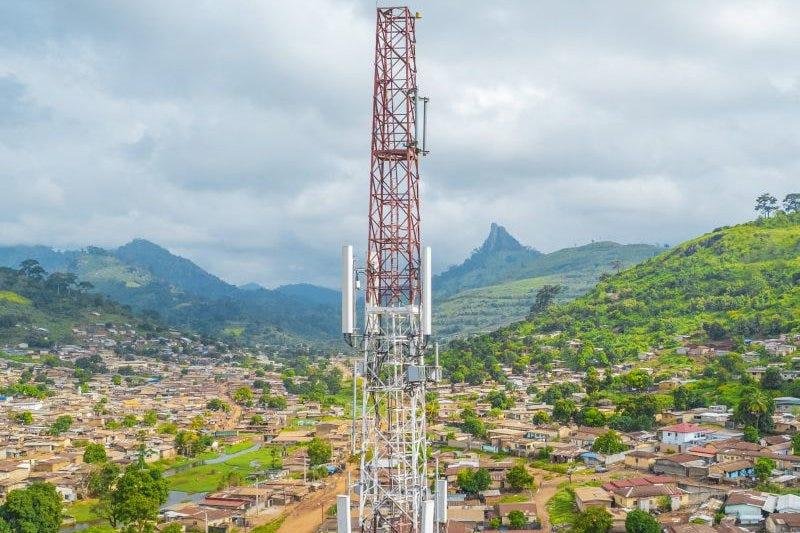
For years, Africa’s digital divide was defined by a lack of network coverage. Governments and telecom operators invested billions of dollars building mobile towers and expanding broadband infrastructure to connect millions of people across the continent.
That effort has largely paid off.
According to the GSMA Mobile Economy Africa 2026 report, 91% of Africa’s population now lives within reach of a 3G, 4G or 5G mobile broadband network. Yet only 28% of the population actively uses mobile internet. The remaining 63% live in areas with network coverage but remain offline, a challenge known as the “usage gap.”
The figures highlight a fundamental shift in Africa’s digital transformation. The continent’s biggest connectivity problem is no longer about extending network coverage. It is about making the internet affordable, accessible and relevant to the millions of people who already have access to a signal but are not using it.
The distinction is important. While only 9% of Africans remain outside broadband coverage, nearly two-thirds already live under a mobile network but have yet to participate in the digital economy.
The reasons are largely economic rather than technical.
The cost of smartphones remains the single biggest obstacle. Across Sub-Saharan Africa, an entry-level internet-enabled smartphone costs around 24% of average monthly income. For lower-income households, the burden is even greater. Among the poorest 20% of the population, buying a basic smartphone can consume more than 80% of monthly earnings, forcing families to prioritise essentials such as food, rent and education over digital access.
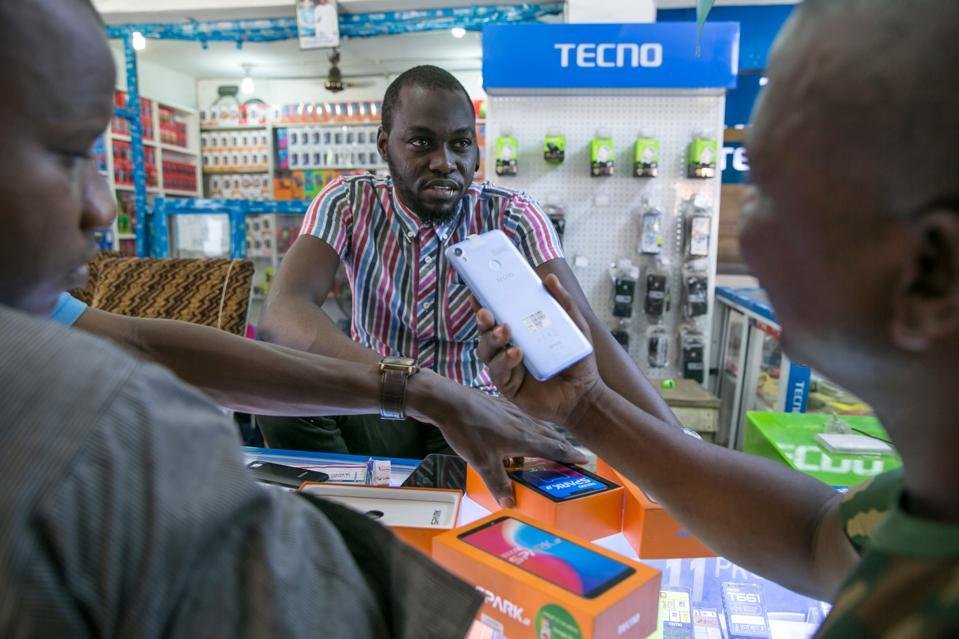
Research by GSMA shows how strongly affordability influences internet adoption. Lowering the price of a functional 4G smartphone to US$40 could connect around 20 million additional people across Sub-Saharan Africa. Reducing that cost to US$30 could bring as many as 50 million more people online.
Affordability, however, is only one part of the challenge.
Many people who own smartphones still lack the digital skills needed to use online services confidently. Limited digital literacy, concerns about online fraud and cybersecurity, and a lack of awareness of how the internet can improve livelihoods continue to discourage first-time users. For many communities, access to the internet is not simply about owning a device but understanding how to use it safely and productively.
Government policy also plays a critical role in determining who gets connected.
In many African countries, smartphones attract import duties, excise taxes and value-added tax, pushing retail prices beyond the reach of many consumers. Taxes on mobile data and digital financial services can further increase the cost of participating in the digital economy.
Recent policy reforms illustrate how quickly adoption can respond when these barriers are removed. South Africa abolished its 9% excise duty on entry-level smartphones in 2025 to encourage consumers to upgrade to affordable 4G and 5G devices. Ghana’s decision to repeal its electronic transfer levy also led to a sharp increase in mobile money transactions, demonstrating how fiscal policy can directly influence digital adoption.
Recognising that affordability has become the primary obstacle, telecom operators are also changing their business models.
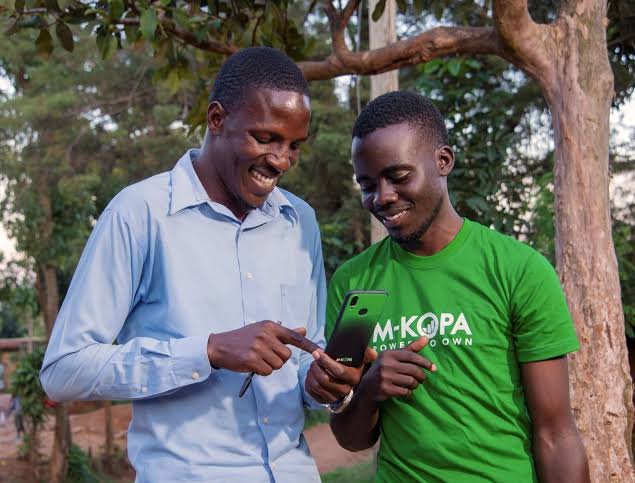
Instead of focusing solely on expanding network coverage, operators are increasingly helping customers finance smartphone purchases. In Kenya, Safaricom’s Maisha Poa Ni Digital programme has enabled millions of users to upgrade from feature phones through affordable daily repayments. In Ethiopia, Ethio Telecom has introduced collateral-free smartphone financing while offering cloud-powered low-cost devices. In South Africa, MTN MoMo uses customers’ mobile money transaction histories instead of traditional credit scores to qualify users for handset financing.
These initiatives reflect a growing recognition that lowering the upfront cost of smartphones can be more effective than building additional network infrastructure.
Industry collaboration is also accelerating efforts to reduce handset prices. Major operators including Airtel, MTN, Orange, Vodacom, Axian Telecom and Ethio Telecom have joined the GSMA Handset Affordability Coalition to develop reliable smartphones priced at around US$40. By standardising hardware specifications and increasing production volumes, the coalition aims to make internet-enabled devices affordable for millions more Africans.
The economic opportunity is substantial.
Africa’s mobile ecosystem already contributes approximately US$220 billion to the continent’s economy, representing 7.7% of GDP. By 2030, that contribution is projected to increase to between US$270 billion and US$290 billion as mobile broadband, digital payments and online services continue to expand. Closing the usage gap could unlock an estimated US$170 billion in additional economic value by bringing millions more people into e-commerce, digital finance, healthcare, education and other online services.
The numbers suggest that Africa’s digital future will not be determined by how many more towers are built.
Instead, it will depend on whether governments can create supportive tax policies, whether operators can make smartphones affordable through innovative financing, and whether digital literacy programmes can equip millions of people with the skills needed to participate in an increasingly connected economy.
The infrastructure is largely in place.
The next phase of Africa’s digital transformation is about turning network coverage into meaningful digital participation.
