
Uganda has intensified efforts to modernize public procurement with the rollout of the enhanced e-Government Procurement (e-GP 2.0) system, a flagship reform under the government’s broader “clean-up” agenda aimed at improving accountability, curbing corruption and restoring public confidence in public institutions.
The latest phase of the programme will see 100 ministries, departments, agencies and local governments transition onto the digital procurement platform following a successful pilot in 36 entities. The rollout is being coordinated by the Office of the Accountant General under the Ministry of Finance, Planning and Economic Development.
The reforms stem from commitments made by Finance Minister Henry Musasizi during the FY2026/27 Budget Speech, where he assured Ugandans that government had embarked on a comprehensive institutional “clean-up” focused on enforcing laws and regulations to improve service delivery, strengthen public trust and enhance institutional effectiveness.
Among the government’s priority areas are procurement reforms, digitization of public services, stronger internal controls, improved audit systems, and enhanced transparency and accountability in the management of public resources.
With public procurement accounting for an estimated 65 percent of government expenditure, officials view reforming the procurement process as one of the most effective ways to eliminate leakages and improve value for money.
To prepare institutions for the transition, the Office of the Accountant General this week convened a change management session for Accounting Officers, who will oversee implementation of e-GP 2.0 within their respective entities.
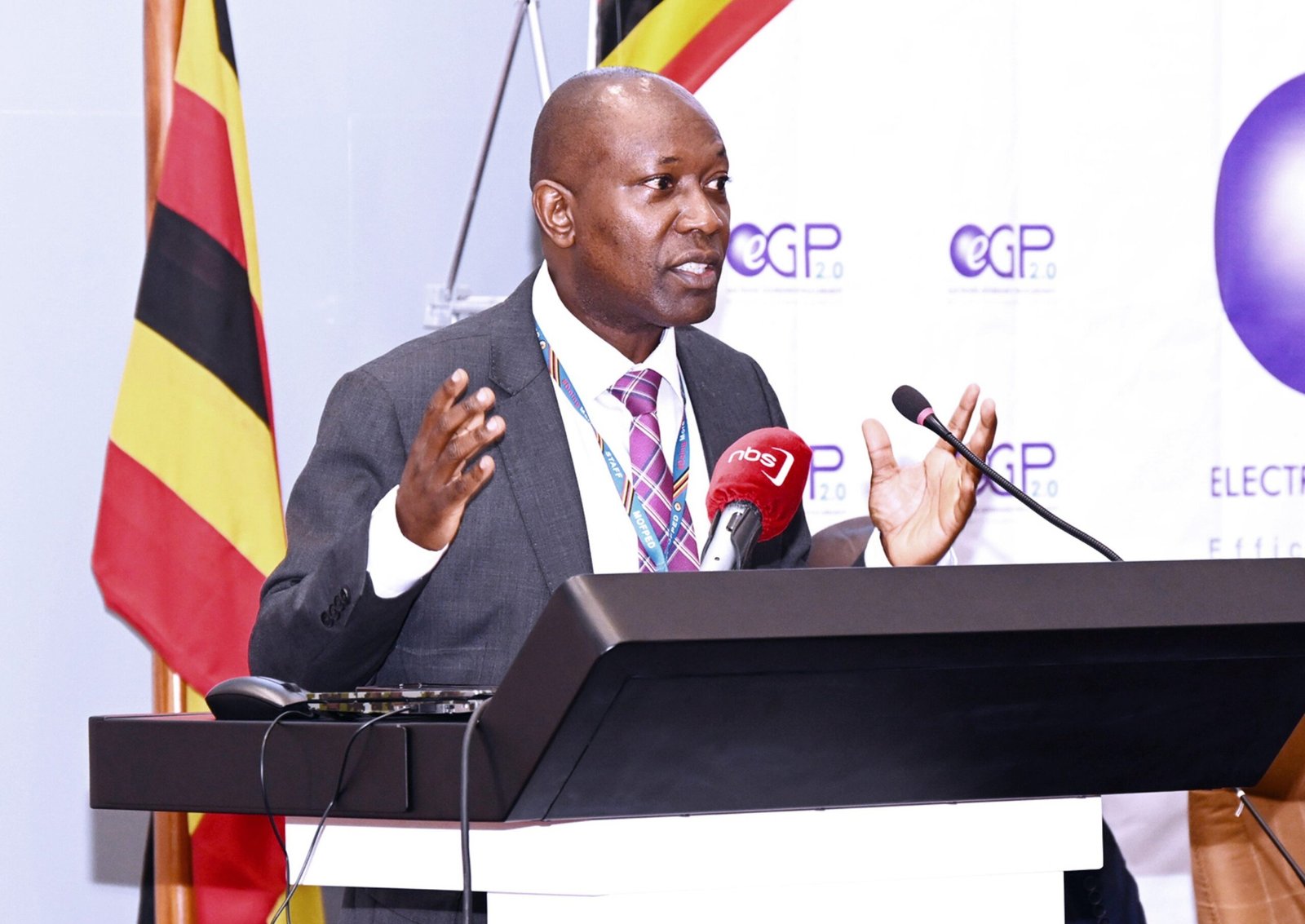
Acting Accountant General Godfrey Ssemugooma said the digital procurement platform represents far more than a technology upgrade, describing it as a fundamental shift in how government manages public resources.
“It is about improving efficiency, strengthening accountability, reducing opportunities for abuse, and ensuring that every shilling entrusted to us delivers maximum value to the people of Uganda.”
Ssemugooma emphasized that the success of the reforms would depend largely on leadership across government institutions.
“Government expects every Accounting Officer to provide visible leadership.”
He urged Accounting Officers to champion the reforms, drive implementation within their institutions and deliver measurable results. He also called on them to nominate the right personnel for specialized training while investing in adequate ICT infrastructure and reliable internet connectivity to support the digital transition.
Training of officers from the first cohort of implementing entities has already begun as government prepares for the expanded rollout.

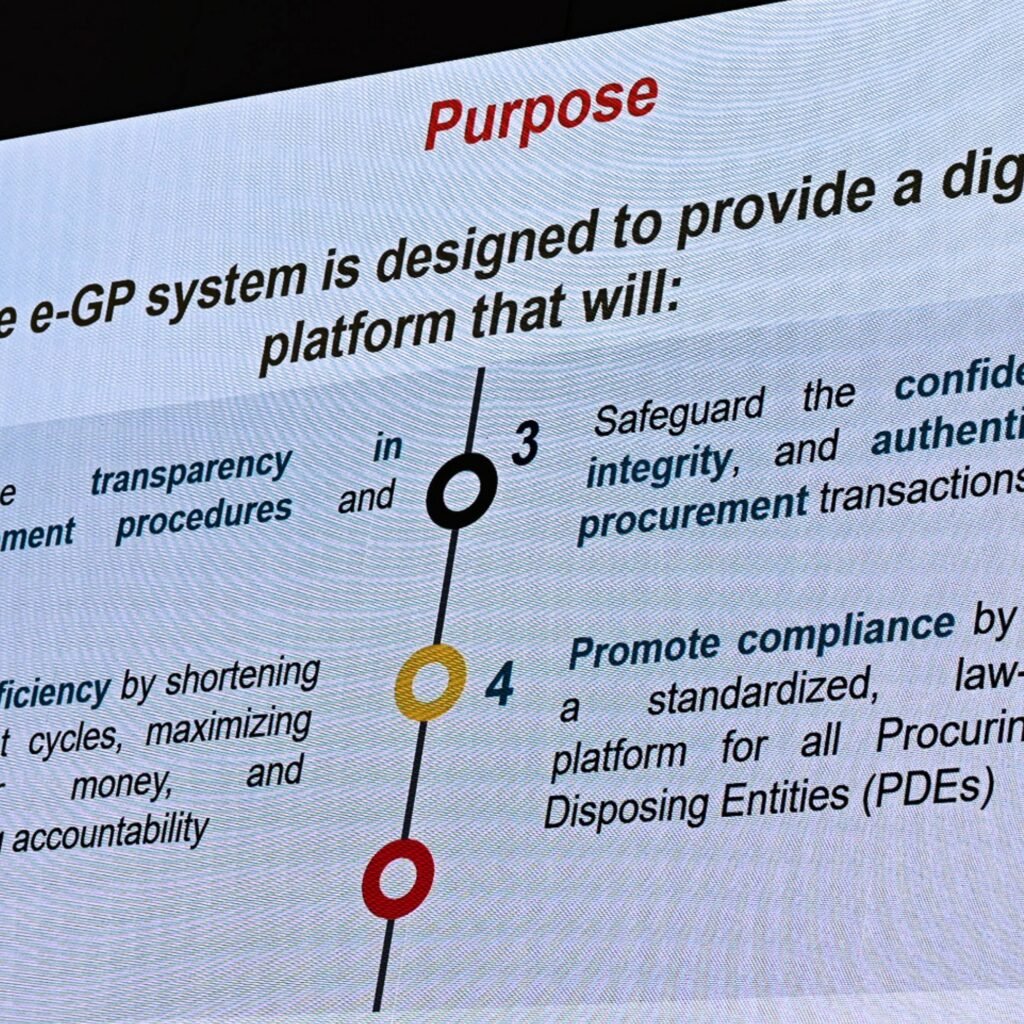
The enhanced e-GP 2.0 platform digitizes the entire procurement lifecycle, replacing manual, paper based processes that have long been associated with delays, inefficiencies and opportunities for manipulation.
Under the new system, procurement planning, tender publication, supplier registration, bid submission, evaluation, contract management and reporting will all be conducted electronically through a centralized platform.
Among its new features is a Central Supplier Platform, allowing businesses to register once and access procurement opportunities across multiple government entities. The system also introduces electronic bid submissions, digital contract management, real time reporting dashboards and comprehensive electronic audit trails.
The platform is designed to integrate with other government systems for tax verification, company registration and payments, enabling automated compliance checks and reducing manual interventions that have historically created opportunities for irregularities.
The reforms are aligned with the amended Public Procurement and Disposal of Public Assets (PPDA) Act, 2021, the PPDA Regulations 2023, and subsequent implementation guidelines aimed at strengthening governance in public procurement.
For businesses, particularly suppliers and contractors that rely on government tenders, the transition signals a significant shift in how public contracts will be awarded and managed.
Digital procurement is expected to lower the cost of bidding by eliminating extensive paperwork and reducing the need for physical submissions. Greater transparency throughout the procurement process could also encourage wider participation, particularly among small and medium enterprises, while strengthening confidence in the fairness of government contracting.
At the same time, businesses will need to strengthen their digital capabilities and ensure compliance with regulatory requirements, including maintaining up to date tax records and company registration details, as verification becomes increasingly automated.
Government believes the reforms will not only reduce opportunities for corruption but also accelerate service delivery by shortening procurement timelines and improving oversight of public expenditure.
As Uganda advances its broader public financial management reforms, e-GP 2.0 is expected to become a key tool in ensuring that public resources are spent more efficiently and transparently.
The coming months will be critical as implementation expands beyond the pilot phase. While challenges such as ICT readiness, connectivity and digital skills remain, officials say sustained leadership, continuous training and institutional commitment will determine whether the reforms achieve their intended impact.
If successfully implemented, e-GP 2.0 could reshape public procurement in Uganda, making government contracting more transparent, competitive and accountable while reinforcing the broader “clean-up” agenda aimed at delivering better services and greater value for taxpayers.
