
Uganda’s annual headline inflation edged up to 4.1 percent in August 2026, as higher food prices and underlying price pressures pushed the cost of living slightly higher despite easing pressure from energy and fuel.
The latest Consumer Price Index released by the Uganda Bureau of Statistics (UBOS) shows that headline inflation increased from 4.0 percent in July to 4.1 percent in the 12 months to August. The increase was driven mainly by a rise in annual core inflation and inflation in food crops and related items.
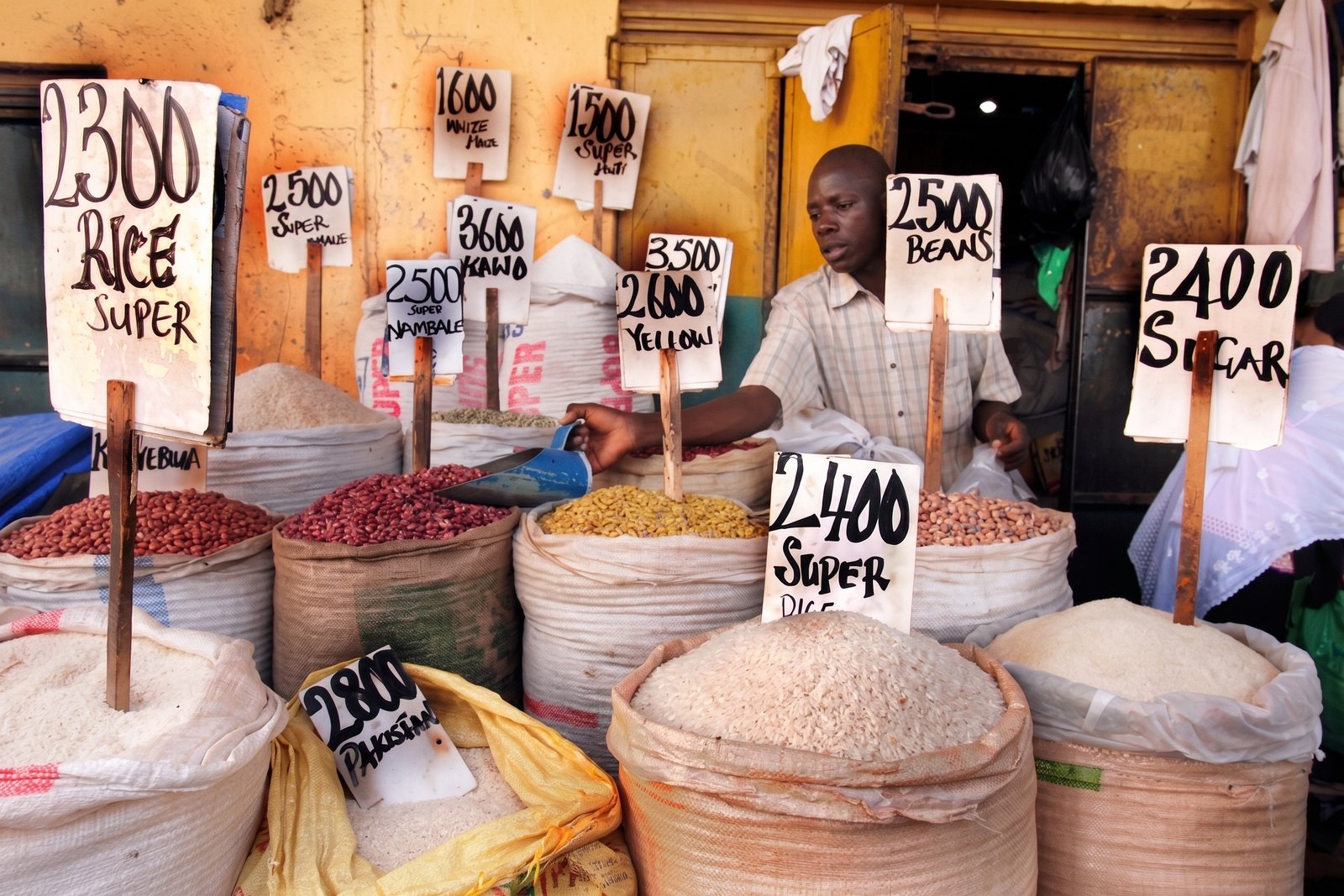
Core inflation, which excludes food crops, fuel and utilities, rose to 3.5 percent in August from 3.4 percent in July. UBOS attributed the increase partly to higher prices for rice, dried fish, maize flour and cassava flour. Food crops and related items inflation also accelerated, rising to 2.1 percent from 1.6 percent in July. Prices of Irish potatoes, pineapples, mangoes and matooke contributed to the increase.
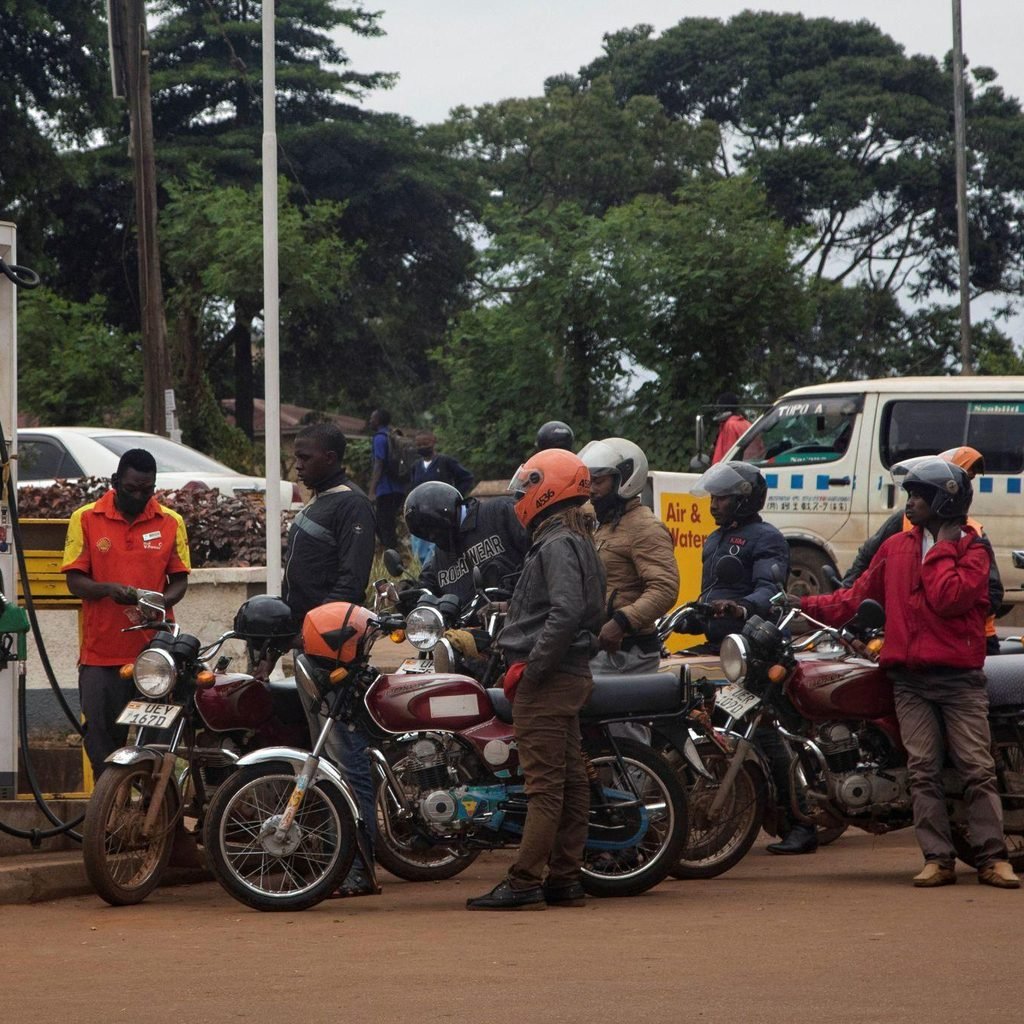
The latest figures show that the pressure on household budgets is not coming from every major component of the consumer basket. Annual Energy, Fuel and Utilities inflation actually eased to 14.3 percent in August from 14.9 percent in July. However, fuel prices remained significantly higher than a year earlier. Petrol recorded annual inflation of 28.5 percent, while kerosene inflation stood at 31.1 percent.
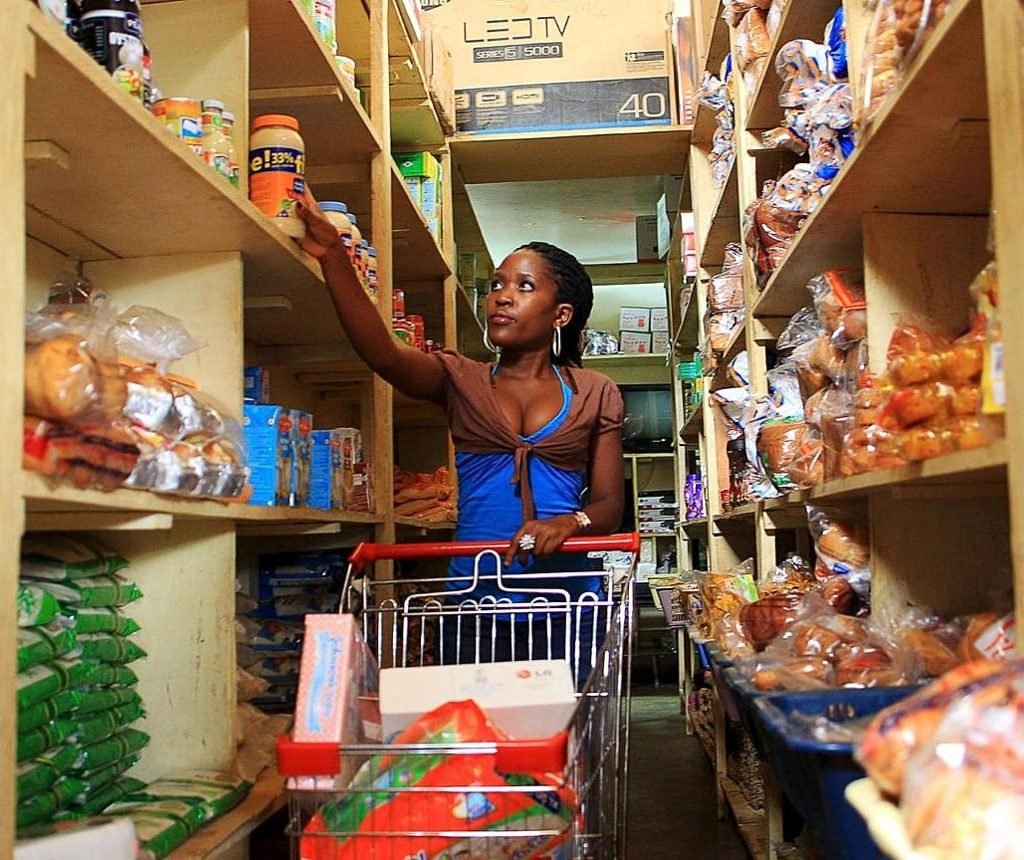
Services inflation also moderated, falling to 4.5 percent from 4.8 percent in July. The decline was partly associated with slower price increases in international airfares and hairdressing services. For consumers, the figures point to a mixed cost-of-living picture. While overall inflation remains relatively moderate, individual households can experience considerably higher price increases depending on what they buy and where they live.
UBOS data show notable differences across the country. Kampala’s high-income households recorded annual inflation of 4.9 percent in August, while Jinja Centre registered 4.8 percent. Mbale recorded 4.3 percent, whereas Mbarara posted one of the lowest rates at 2.9 percent.
The national inflation rate remains below the Bank of Uganda’s medium-term target of 5 percent. However, the central bank continues to monitor the risk that higher food, fuel and other input costs could spread into broader domestic prices.
The Bank of Uganda has warned that global energy prices, geopolitical tensions, exchange-rate movements and adverse weather conditions could put additional pressure on the inflation outlook. At its August monetary policy meeting, the central bank maintained the Central Bank Rate at 9.75 percent, signalling a cautious approach while policymakers assess the direction of price pressures.
For businesses, the latest figures reinforce the need to keep a close watch on operating costs. Higher fuel prices can raise expenses across transport, logistics, manufacturing and distribution, while increases in food prices can affect employee welfare and consumer spending patterns.
For households, the headline rate should also not be interpreted as meaning every product has become only 4.1 percent more expensive. Inflation measures the average change in prices across a broad basket of goods and services, meaning individual products can record significantly higher or lower price movements. Uganda’s latest inflation reading therefore presents a relatively stable macroeconomic picture, but one with pockets of significant pressure.
With headline inflation still below the 5 percent target, the immediate picture remains manageable. The bigger question for policymakers and businesses is whether elevated fuel costs and rising food prices remain concentrated in specific categories or begin feeding into wider prices across the economy.
For now, Uganda’s inflation remains contained, but the pressure is becoming increasingly visible in the everyday cost of food and fuel.
