
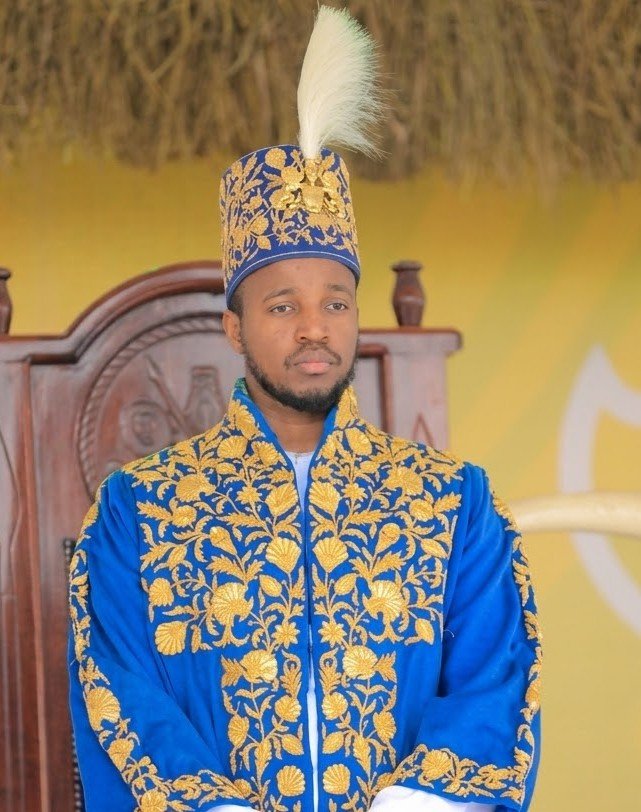
At three years old, a child is still learning to run without falling. They are mastering how to climb onto a chair, hold a spoon without spilling dinner and, for most, still depend on someone else to get dressed in the morning.
King Oyo Nyimba Kabamba Iguru Rukidi IV was three when he became king.
There was no apprenticeship and no gradual preparation for the throne. One moment, he was a toddler in a palace playing with a toy car. The next, an entire kingdom had placed its future in the hands of a child who could barely understand what the crown meant.
He spent the next 31 years growing into it.
Oyo died at 34 died on 27th August , closing one of the most unusual chapters in Uganda’s modern history. His reign began when Tooro itself was still rebuilding an institution that had been abolished for more than two decades. It would eventually become a story of transition, from a child monarch guided by regents to a young king who built his own public identity through diplomacy, education, philanthropy and development.
A Kingdom Reborn
Oyo inherited a kingdom that was itself still finding its footing.
In 1967, President Milton Obote abolished Uganda’s traditional kingdoms, including Tooro. The monarchy disappeared from the country’s legal and political landscape for more than two decades.
The kingdoms were restored in 1993 under President Yoweri Museveni, returning the Tooro throne to Oyo’s father, Patrick David Matthew Kaboyo Olimi III.
The restoration lasted barely two years.
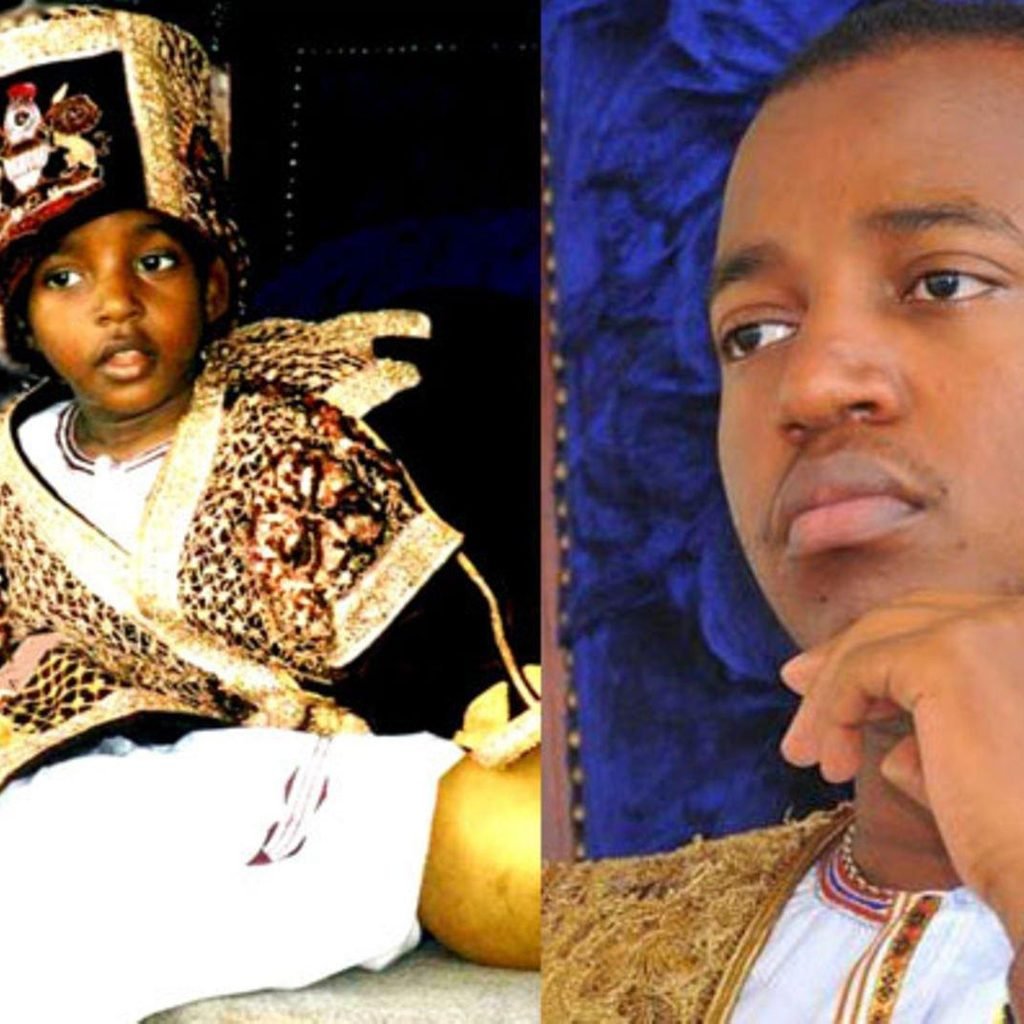
Olimi III died suddenly of a heart attack in August 1995, leaving a newly restored kingdom facing another succession. This time, the heir was a three-year-old boy.
That made Oyo’s coronation more than a royal spectacle. Tooro was placing the future of a recently revived institution in the hands of a child.
The Night a Toddler Became King
The coronation rituals began at 2 a.m. on September 12, 1995, a week after his father’s burial.
At the palace gates, a mock battle was staged between the royal army and a “rebel” prince, an ancient test of the young king’s right to rule. Oyo sounded the Nyalebe, the sacred drum of his ancestors. He was blessed with the blood of a slaughtered bull and a white hen, ate his first meal as king, millet dough, and swore allegiance to the crown while lying on his side on the ground, as tradition required.
But the rituals could not erase the fact that he was still a child.
He wanted to play with his toys.
At one point, the heavy crown, trimmed in lion skin, became too much for him. Oyo pulled it from his head, left the throne and ran into his mother’s arms. His uncle, Prince Jimmy Mugenyi, eventually coaxed him back so the ceremony could continue.
By 4 a.m., he was king.
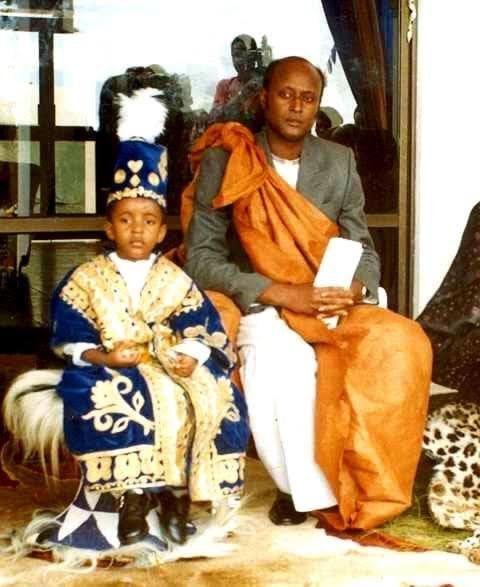
By the following morning, he was sitting in his first cabinet meeting, surrounded by ministers old enough to be his grandparents.
Growing Up Under Regency
For the next 15 years, Oyo was king in name while his regents governed in practice.
His mother, Queen Best Kemigisa, was central to that arrangement, working alongside Princess Elizabeth Bagaaya and President Museveni to guide the kingdom while Oyo grew into the role.
His childhood unfolded between two radically different worlds.
At the Aga Khan International School in Kampala, he was simply another student. “My friends at school don’t care that I am a king,” he once said. “They treat me like any other student.”
In Tooro, however, the expectations were entirely different. He was expected to observe royal protocol, and subjects prostrated themselves and kissed his feet when he passed.
People around him saw the tension.
Family friend Evah Baguma described him as “a very friendly but very reserved young man” and acknowledged the burden of palace protocol. Princess Dorothy Kagoro offered a reminder of the ordinary teenager beneath the crown: “He’s a teenager! He loves Arsenal!”
Oyo formally assumed control of his reign when he turned 18 in 2010.
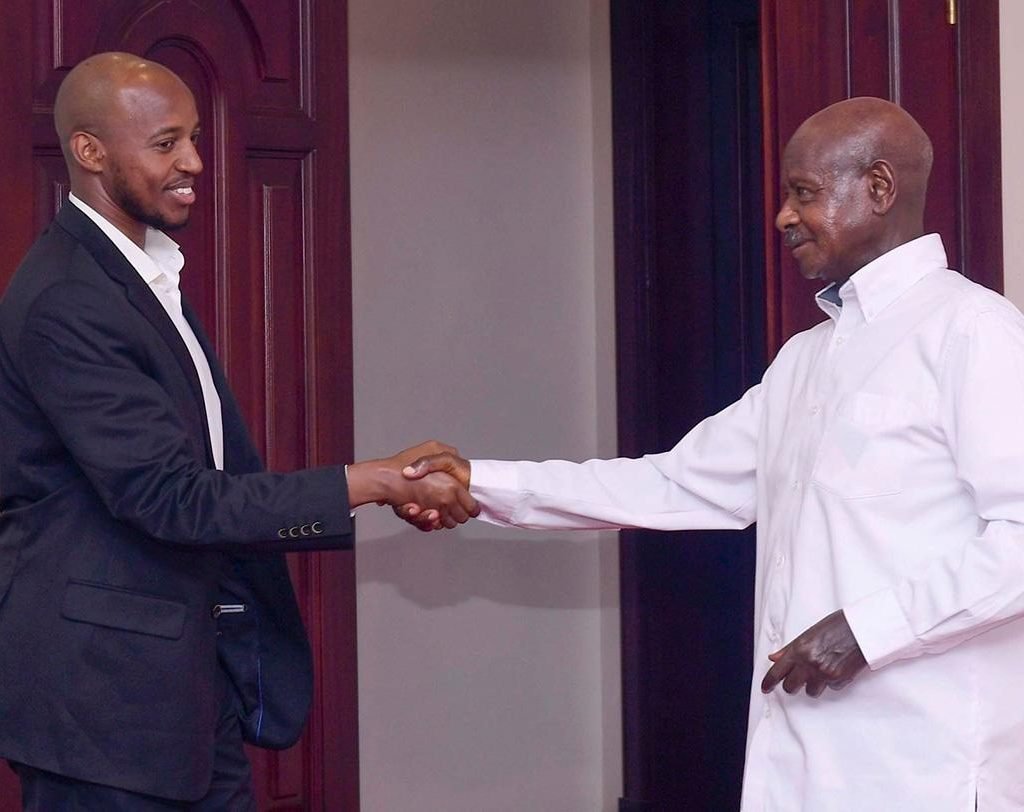
“It’s a huge responsibility,” he said at the time, “but I have a lot of support from my mother, my sister and others, so I know I can do it.”
From Youngest Monarch to King in His Own Right
Oyo inherited a world record before he was old enough to understand what it meant.
Guinness World Records recognized him as the world’s youngest reigning monarch, a distinction he held from his coronation until his final days. His unusual succession also recalled the history of Daudi Chwa, the four-year-old who became king of neighboring Buganda in the 1890s.
But the record was not what ultimately defined his reign.
That reputation had to be built over time.
Reverend Clovis Kyarimpa, reflecting on the resistance Oyo faced as a young monarch, said: “Every king faces resistance, and Oyo was no exception. But resistance builds strength.”
He described Oyo as “Emanzi ya Tooro” and “Entale”, the lion, and said the king ultimately triumphed.
A King Beyond the Palace
As he matured, Oyo increasingly used his position to represent Tooro and Uganda beyond the kingdom.
He became a global ambassador in the campaign to end HIV and AIDS by 2030, speaking to young people at universities and colleges across Uganda. His advocacy earned him an honorary doctorate, contributing to the public identity of “King Dr. Oyo.”
He also worked with international organizations, including World Vision, to promote children’s rights and sought to bring African traditional monarchs together around issues of peace and cultural recognition.
His role had expanded beyond the palace.
He was becoming an ambassador for his kingdom.
A Patron at Home
Oyo’s most direct impact was closer to home.
He founded the Batebe Foundation to support the education of children in Tooro whose families could not afford it. He advocated for scholarships for underprivileged young people and supported medical outreaches that brought equipment and healthcare to hospitals across the region.
His work also extended to people with disabilities, including efforts to distribute wheelchairs to those who needed them.
Working with his mother, he championed girls’ education and supported vocational training for young women who had dropped out of school, seeking to create pathways back into work and independence.
Through the King Oyo Demonstration Farm, he promoted sustainable agriculture and encouraged local farmers to turn underused land into economic opportunity.
“I want to build modern schools and hospitals to improve the service delivery to my people,” he said.
The statement captured an approach to kingship that increasingly focused on practical development.
The Modernizer
Oyo’s education and public life placed him between two worlds.
He studied art, music, mathematics and swimming in Kampala before earning a degree in business management from the University of Winchester in the United Kingdom in 2013.
He then returned to a throne draped in leopard skin and presided over traditions far older than the university he had attended.
In his later years, he introduced Tooro Kingdom Vision 2045, a long-term development plan intended to guide the kingdom’s growth beyond his own reign.
It was an attempt to institutionalize the modern outlook he had developed and ensure that his ambitions extended beyond his lifetime.
A Kingdom Says Goodbye
This week, Tooro Kingdom Prime Minister Calvin Armstrong Rwomiire Akiiki announced Oyo’s death and described it as an immeasurable loss to the Royal Family, the people of Tooro and Uganda.
He also reassured the kingdom about its future, revealing that Oyo leaves behind a son who is the heir. The child’s identity, he said, would be disclosed in accordance with tradition at the appropriate time.
For a kingdom that has twice seen its monarchy disappear and twice confronted sudden succession, the announcement carried an additional significance.
The crown will not remain empty for long.
A Boy for Three Years, a King for Thirty-One
There is one image that captures the strangeness of Oyo’s life better than almost any other: a three-year-old boy pulling a crown from his head because it was too heavy and running into his mother’s arms during his coronation.
It is easy to see the moment as a child overwhelmed by a responsibility far beyond his years.
But it can also be read as something more revealing, an ordinary act of childhood unfolding in the middle of an extraordinary institution.
Oyo was handed a crown before he could tie his own shoes. He spent the next three decades learning how to carry it.
His legacy was not simply that he became the world’s youngest reigning monarch. It was that he grew into the role, gradually moving from a king governed by regents to a monarch who built a public identity around education, diplomacy, philanthropy and development.
He was a boy for three years. He was a king for 31.
Somewhere between those two identities, King Oyo found a way to be both, and made it work.
