
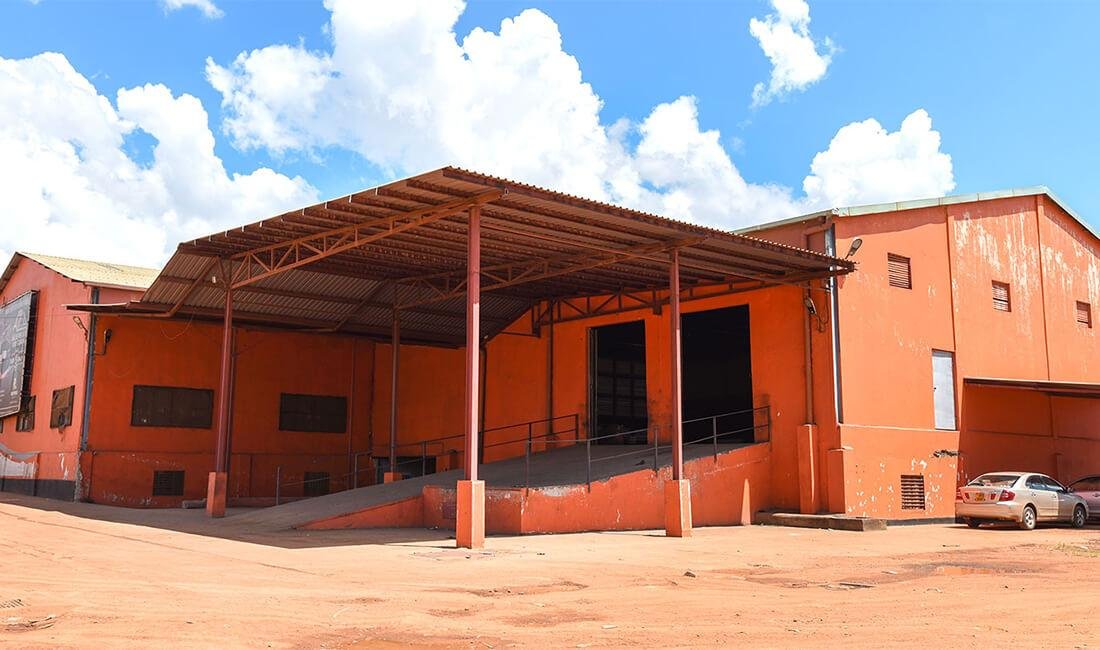
Industrial property, led by warehouses, is fast becoming the most attractive segment of Uganda’s real estate sector, even as office space struggles with oversupply and retail landlords adjust to shifting tenant demand.
New data from Knight Frank shows prime industrial property in Uganda is now yielding about 13 percent, a figure that ranks the country among Africa’s highest-yielding industrial markets. The Kampala-based research also puts warehouse occupancy above 80 percent, with average rents ranging between $3 and $7 per square metre a month.
Industry players say the numbers reflect a broader shift in the economy, as growth in manufacturing, distribution and trade fuels demand for space to produce, store and move goods, rather than simply display or sell them.
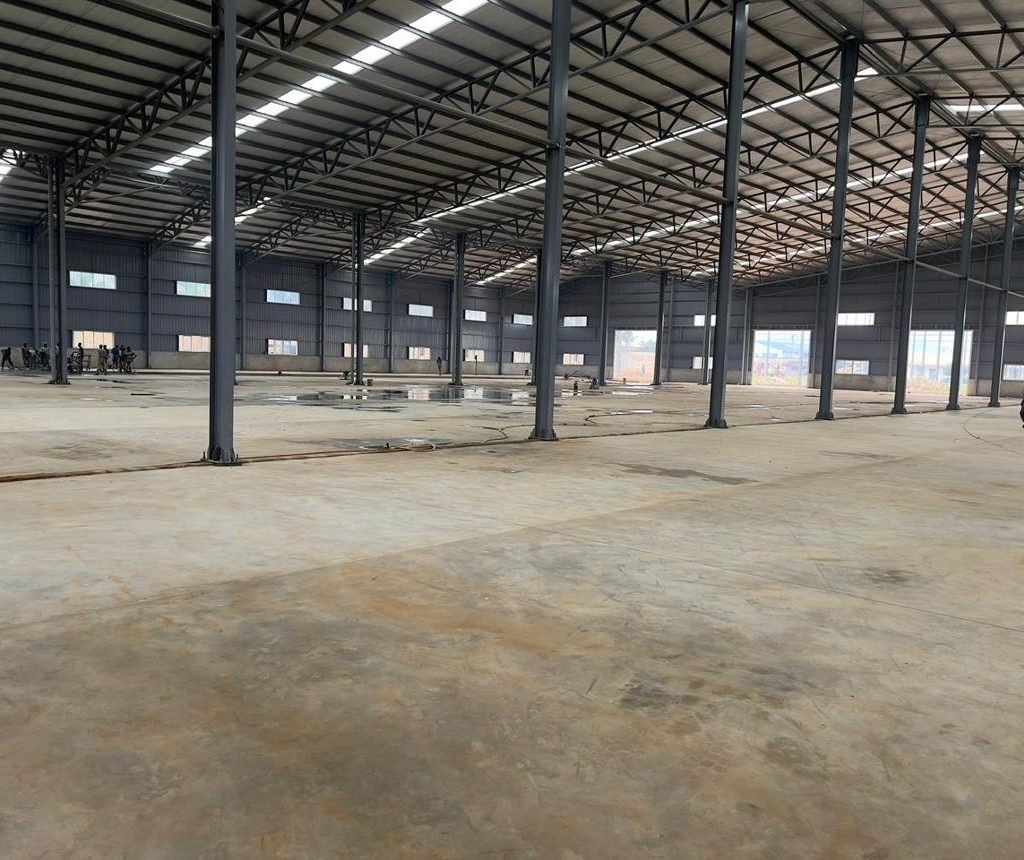
Inside Namanve, the industrial park drawing investors
At the heart of this shift is the 2,209 acre Kampala Industrial and Business Park at Namanve, along the Kampala-Jinja corridor, which has grown into a key base for manufacturers, logistics firms and distributors. Its location gives businesses access to both the domestic market and regional trade routes to the east.
The park’s appeal is being reinforced by ongoing infrastructure works. Road, drainage, electricity and water projects at Namanve had reached about 80 percent completion by July 2026, with government pushing back the overall completion deadline to December 30, 2026.
Developers say improved infrastructure changes the calculus for industrial investment. Better access roads make it easier for heavy trucks to move in and out, while reliable drainage, power and water connections make sites more workable for manufacturers and logistics operators. This has driven growing interest in modern, well-specified warehouses over older storage facilities that fall short of what larger businesses now require.
The demand is also tied to the performance of other sectors. Manufacturers need space for raw materials and finished goods, agricultural and coffee exporters require handling and consolidation facilities, pharmaceutical and food firms need specialised storage, and distributors want strategically placed facilities to supply both Uganda and neighbouring markets.
Hoima’s oil park signals the trend is spreading
The trend is not confined to the capital. In Hoima, the 29.57 square kilometre Kabalega Petroleum-Based Industrial Park is taking shape around the country’s petroleum industry, with plans for manufacturing, petrochemical activity, logistics, warehousing and commercial facilities. Officials at the Uganda National Oil Company (UNOC) say the park has 221 investment plots spread across seven zones.
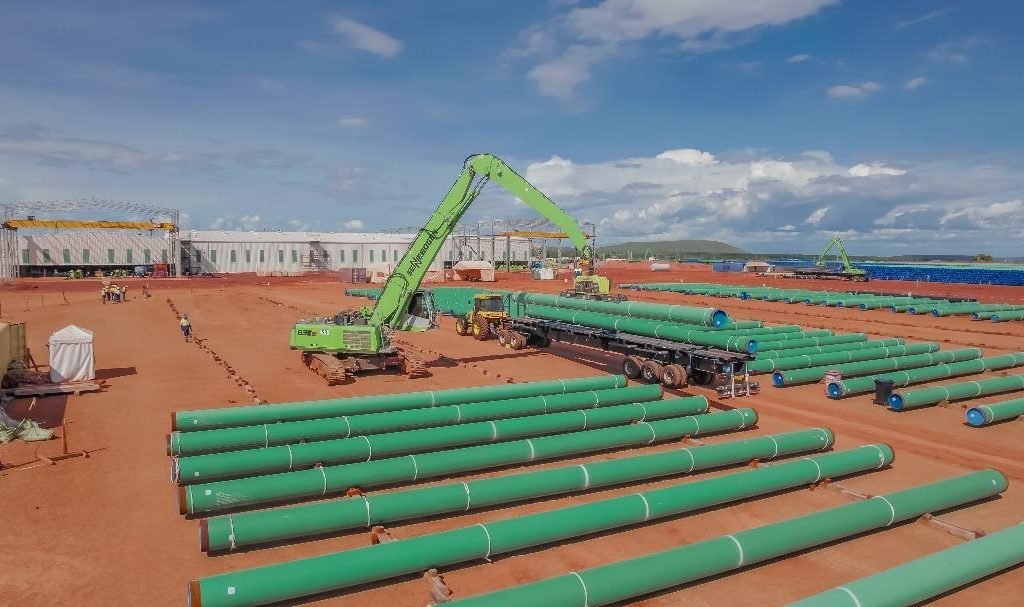
UNOC describes the site as an integrated industrial ecosystem built around the planned 60,000 barrel per day refinery, alongside the East African Crude Oil Pipeline export hub and Kabalega International Airport, which form part of the surrounding infrastructure.
Beyond the industrial plots themselves, officials say the ripple effects for real estate could be significant. Factories, warehouses and logistics hubs require roads, power, water and housing for workers, and once operations get under way, surrounding areas typically see rising demand for offices, retail outlets, accommodation and other services.
Government has also weighed in on the need for infrastructure to support industrial growth outside Kampala. In March 2026, the Uganda Investment Authority said investors need serviced industrial parks equipped with critical infrastructure, and called for greater investment in such facilities countrywide.
Why a warehouse can outperform an office tower
Analysts note that the strongest opportunities in Uganda’s property market are increasingly tied to economic activity and supply chains, rather than location alone. A warehouse positioned along an active industrial corridor serves a direct business need, with its value resting on manufacturers requiring storage, distributors moving goods, and traders needing efficient market access. That is a different demand base from an office block waiting for tenants or a mall competing for shoppers.
The sector is not without risks, however. Industrial developments remain heavily dependent on reliable infrastructure, sustained tenant demand and access to finance. Delays in public infrastructure projects could dampen private investment, while a rush of new construction without matching industrial activity risks tipping the market into oversupply.
For now, though, Uganda’s industrial property market is charting a different course from other commercial segments, buoyed by manufacturing growth, regional trade, logistics expansion and continued infrastructure investment.
As one industry observer put it, the property market’s next big story may not be another office tower or shopping mall. It could be the warehouse beside the road that gets Uganda’s goods to the next market.
