
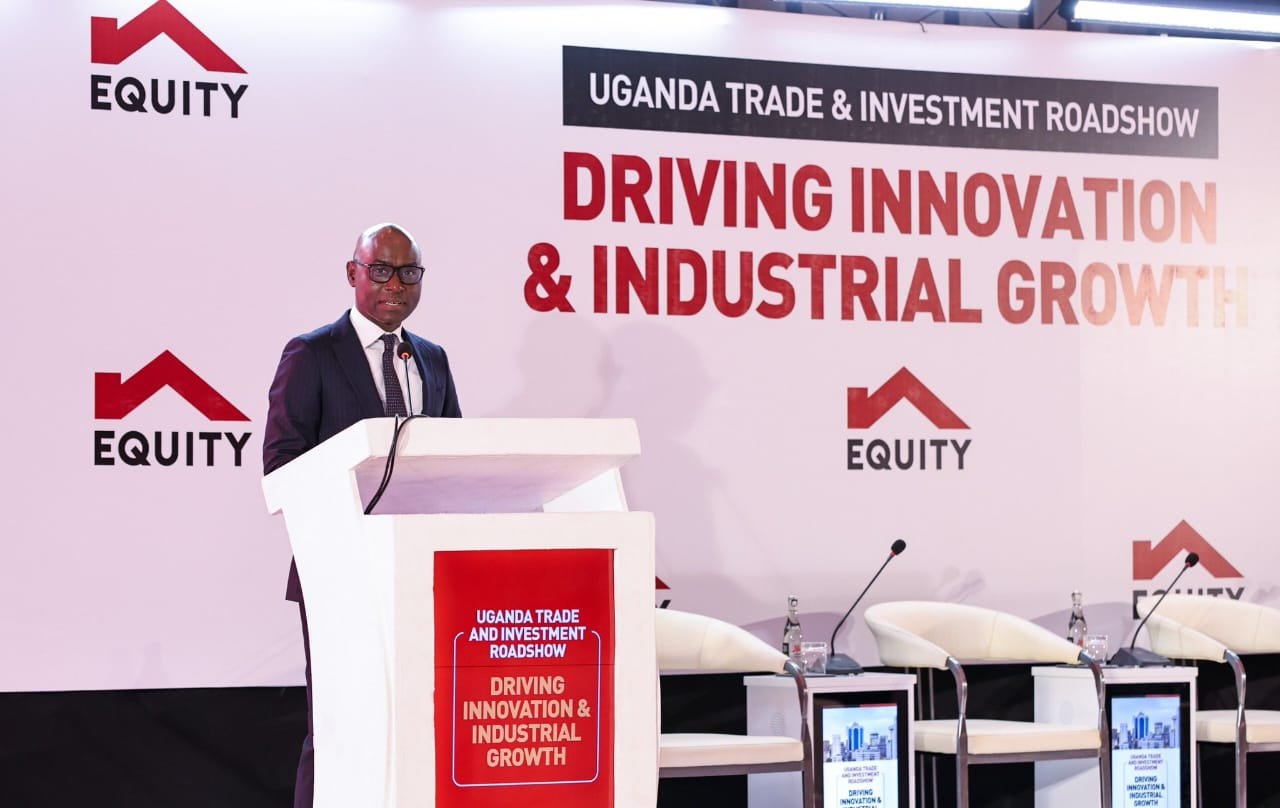
More than 150 business leaders, investors, policymakers and private-sector representatives from 10 nationalities have converged in Kampala for the 2026 Uganda and Rwanda Trade and Investment Roadshow, with value addition, manufacturing, agriculture and cross-border trade at the centre of discussions.
Organised by Equity Group, the roadshow opened in Kampala on Monday, September 14, bringing regional and international businesses together with Ugandan enterprises and government officials to explore investment opportunities and establish commercial partnerships. The Uganda leg runs until September 16, after which delegates will travel to Kigali for the second phase of the mission. The wider programme runs from September 13 to 19.
Uganda’s Minister of Trade, Industry and Cooperatives, Sanjay Tanna, used the forum to call for greater investment in value addition as the country seeks to earn more from its agricultural and mineral resources.
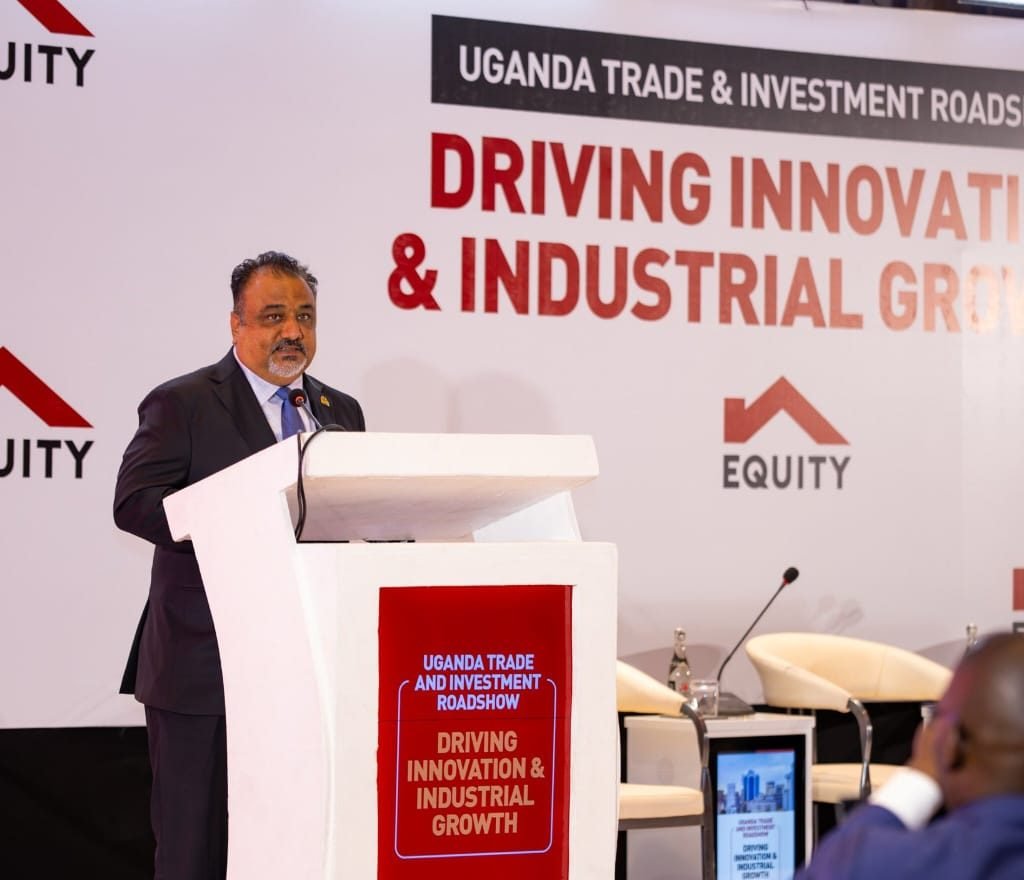
Tanna urged investors and local businesses to move beyond exporting raw commodities and establish processing and manufacturing operations that can generate higher-value products. He identified opportunities in coffee, agriculture, minerals, pharmaceuticals, textiles, leather, construction materials and information and communication technology.
The emphasis on value addition comes as Uganda seeks to expand its productive capacity, create employment and increase incomes through industrialisation. Processing more commodities locally would allow businesses to capture a larger share of value across production and supply chains.
Coffee is among the sectors receiving particular attention. A Uganda Coffee Value Chain Roundtable is bringing together international coffee traders, including Neumann Kaffee Gruppe and Volcafe, alongside Ugandan businesses and other industry stakeholders.
The programme also includes visits to productive sites and businesses, including Zigoti Coffee Farm, JNL Industries and Roofings Uganda Limited. The visits are intended to give international delegates a closer look at Uganda’s production capacity and potential investment opportunities.
For Ugandan businesses, the roadshow provides an opportunity to engage potential investors, buyers, technology providers and commercial partners from outside the country.
Equity Bank Uganda Executive Director Claver Serumaga said the bank’s role in the initiative extends beyond financing, noting that businesses also need access to markets, technology, capital and strategic partnerships to expand. The bank is positioning itself as a connector between businesses and these resources, including financing and commercial networks.
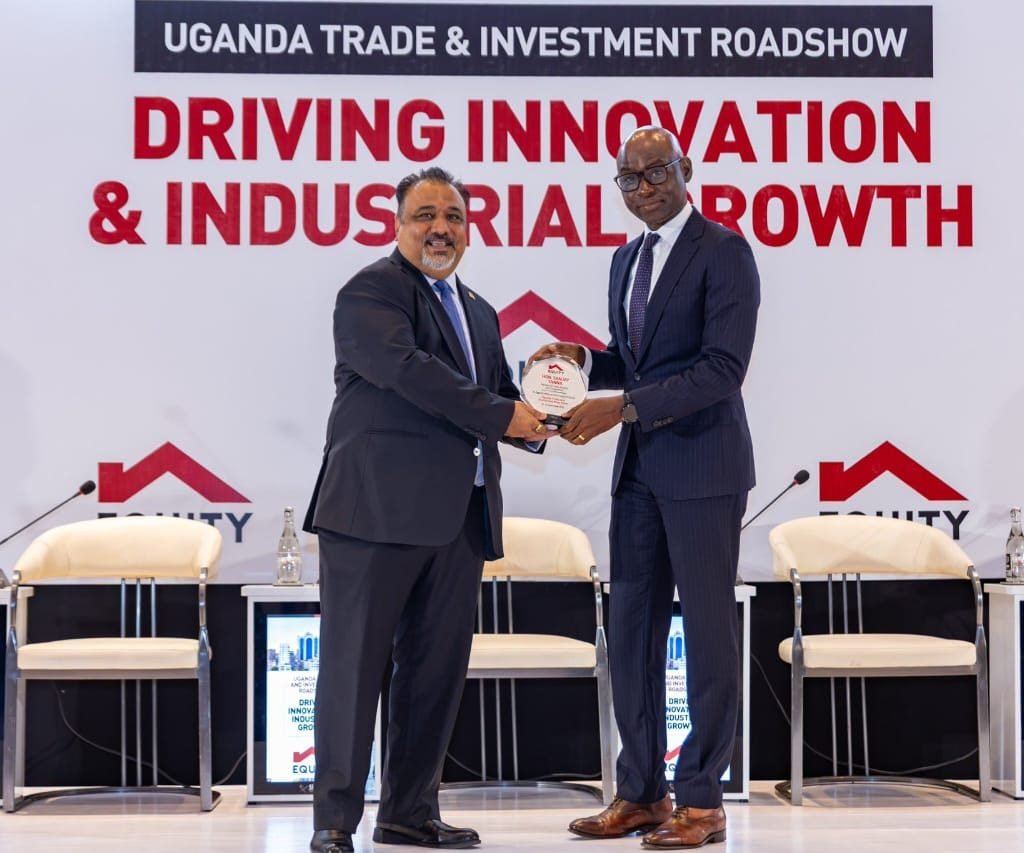
Equity Group Associate Director of Trade Relations Mahvish Malik said the trade missions are designed to move businesses from discussions about potential markets towards direct engagement with prospective partners. The programme includes targeted business-to-business and business-to-government meetings, sector visits and market linkages focused on investment, sourcing and expansion opportunities.
The roadshow is also targeting micro, small and medium enterprises, which make up a significant part of Uganda’s private sector. Tanna called on financial institutions to strengthen support for MSMEs through financial literacy, improved bookkeeping, affordable capital and stronger links to markets.
He also urged Equity Bank to extend greater support to smaller businesses outside major urban centres, arguing that stronger local enterprises would be better positioned to participate in Uganda’s economic growth.
The discussions come as Uganda and Rwanda seek to strengthen commercial links within regional and continental markets. Improved connections between businesses in the two countries could enable companies to expand supply chains, source inputs and access consumers across East Africa.
For manufacturers and agricultural businesses, regional integration could provide access to markets beyond domestic demand, particularly for companies able to meet quality, production and regulatory requirements.
The Kampala programme will conclude on September 16, after which delegates will proceed to Rwanda. The Kigali leg will continue discussions on cross-border investment and regional commercial partnerships.
The immediate measure of the roadshow will be whether engagements between businesses, investors and government translate into concrete investments, partnerships, new markets and commercial transactions beyond the meetings in Kampala and Kigali.
