
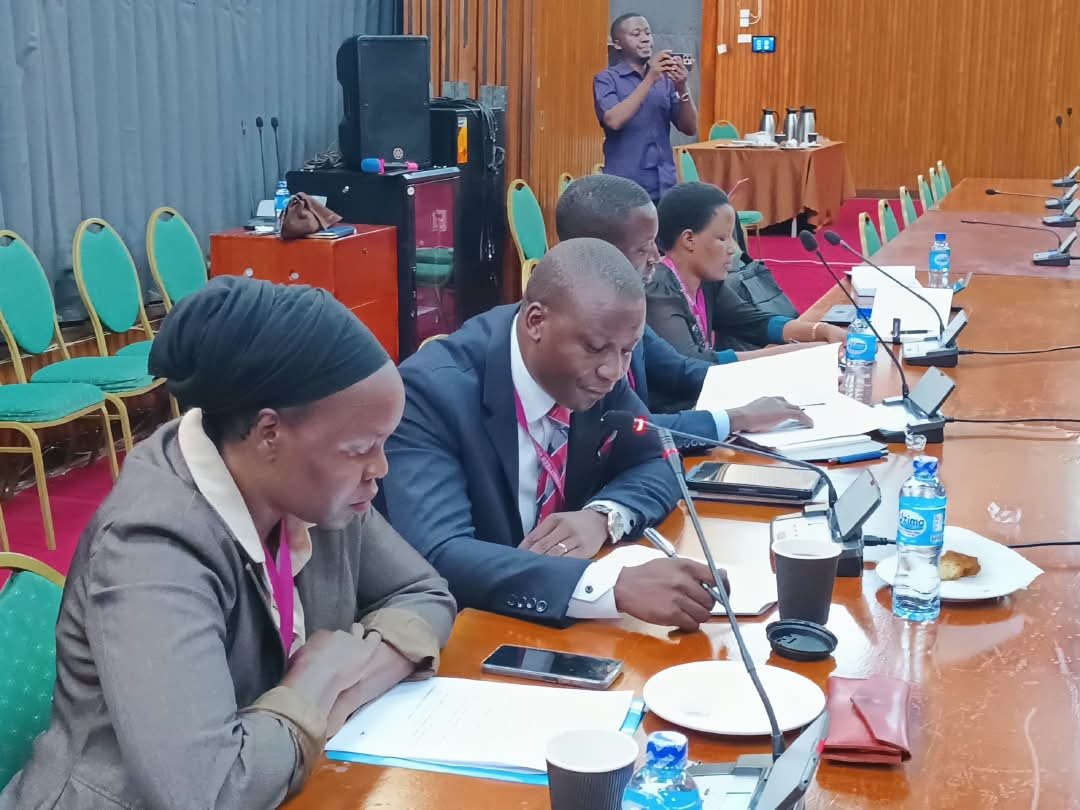
Private Sector Foundation Uganda (PSFU) has engaged Parliament’s Budget Committee on the Charter for Fiscal Responsibility for FY2026/27 to FY2030/31, pressing for reforms that would ease the financial squeeze on businesses and create room for private-sector-led growth.
The engagement comes as the committee reviews the five-year fiscal framework that will guide government debt, deficit and spending rules after the previous Charter expires at the end of FY2025/26. PSFU told lawmakers that the private sector needs reduced domestic borrowing, clearance of outstanding arrears estimated at UGX 4.7 trillion, greater tax predictability, protection of productive public spending, and stronger fiscal accountability. These measures, the apex private-sector body argued, are essential to support enterprise growth, attract investment and create jobs.
Domestic borrowing remains one of the most pressing concerns for Ugandan businesses. When government turns heavily to local banks and the domestic debt market, it competes directly with the private sector for scarce credit. This competition often drives up interest rates and crowds out commercial lending, making it harder for firms to expand, invest in equipment or smooth cash-flow gaps. PSFU’s call for a deliberate reduction in domestic borrowing is therefore aimed at restoring space for private credit and lowering the cost of capital for enterprises.

The demand for clearance of the UGX 4.7 trillion arrears stock carries similar weight. Many suppliers, contractors and service providers have waited months or years for payment from government agencies. These delayed payments tie up working capital, force businesses to borrow at high rates to stay afloat, and weaken balance sheets across the economy. Settling the arrears would inject liquidity into the private sector at a time when many firms are still navigating elevated operating costs and cautious demand.
Tax predictability featured prominently in the foundation’s submissions. Frequent or abrupt changes in tax measures make long-term planning difficult and raise compliance costs. Businesses need a stable and transparent tax environment so they can forecast cash flows, price contracts and make investment decisions with greater confidence. PSFU stressed that predictability is as important as the level of taxation itself.
The foundation also urged lawmakers to protect productive spending even as government pursues fiscal consolidation. Infrastructure, skills development, energy and other growth-enabling outlays should not be the first casualties of tighter budgets. At the same time, stronger accountability mechanisms are needed to ensure that public resources deliver measurable results rather than being absorbed by inefficiency or leakage.
The Charter for Fiscal Responsibility is a key instrument under Uganda’s Public Finance Management framework. It sets measurable objectives that bind budget decisions over a five-year horizon, including targets for public debt, the overall fiscal balance and limits on commercial borrowing relative to domestic revenue. Officials have indicated that the new Charter aims to bring debt down after a projected peak and to narrow the deficit while creating fiscal space for strategic investments, including those linked to first oil and the broader Tenfold Growth Strategy.
PSFU’s intervention highlights the private sector’s central role in the economy. The sector generates the majority of formal jobs, contributes the bulk of GDP, funds most investments and supplies the greater share of domestic government revenue. Fiscal rules that ignore the operating realities of businesses risk undermining the very growth and job-creation goals the Charter is meant to support.

By engaging the Budget Committee at this stage, PSFU is seeking to ensure that private-sector concerns are reflected in the final fiscal anchors that will shape government spending and borrowing for the next five years. The outcome of these discussions will influence the cost of credit, the reliability of government payments, the predictability of the tax regime and the overall business climate as Uganda prepares for commercial oil production and implements its medium term economic strategy.
For enterprises across the country, the stakes are clear: a more disciplined and private-sector-sensitive fiscal framework would ease long-standing constraints and help unlock investment and jobs. Whether the final Charter delivers on these priorities will be one of the more consequential fiscal decisions of the coming period.
