
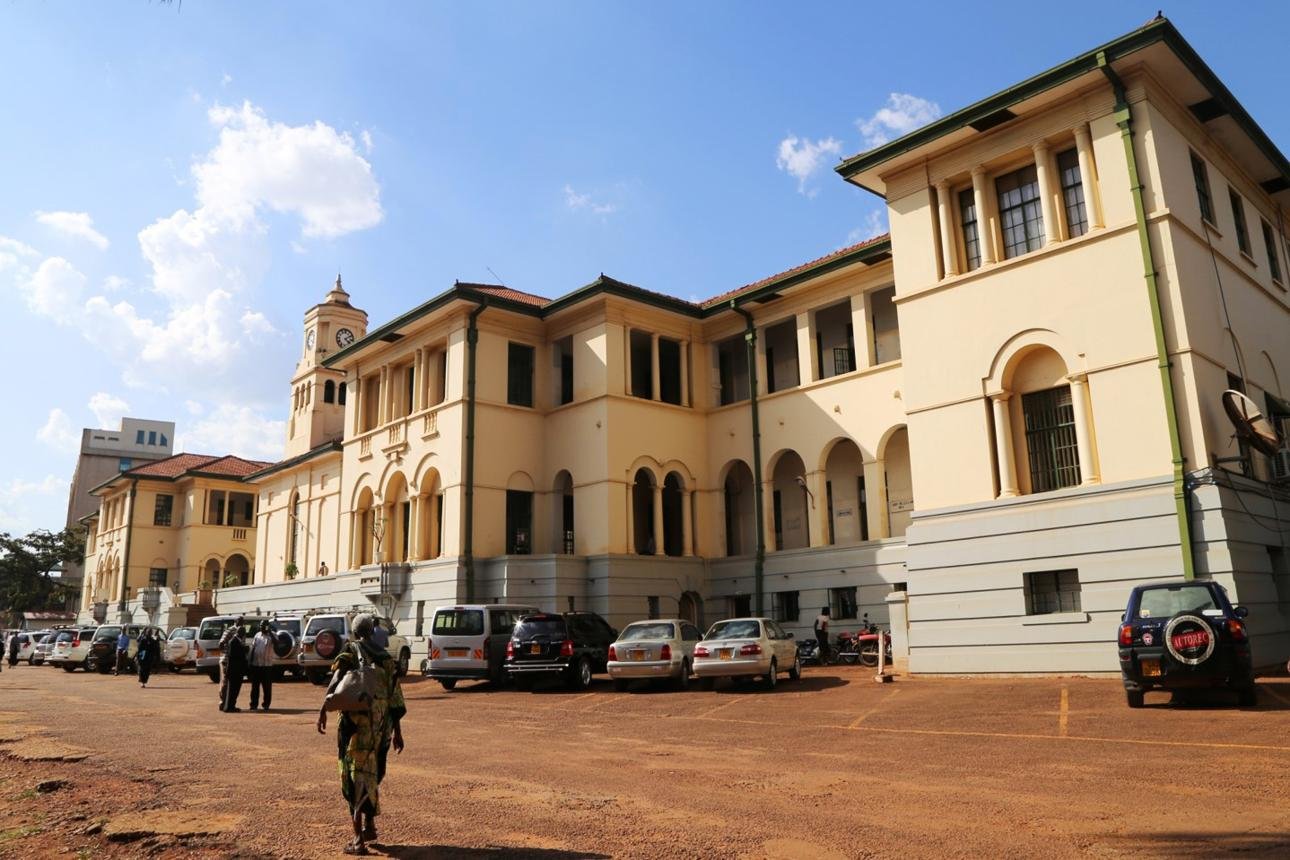
Uganda’s post-election contest has shifted decisively from the ballot box to the courtroom. The Judiciary has deployed 100 judicial officers to handle 346 parliamentary and local council election petitions arising from the January 2026 general elections, marking one of the most intensive legal exercises in the country’s recent electoral history.
The two-month special programme began on Monday, September 14, placing a substantial caseload on courts nationwide. According to the Judiciary, the deployment comprises 48 High Court judges who will hear 157 petitions and 52 Chief Magistrates assigned to 189 cases. The matters are distributed across 30 High Court circuits, the Civil Division of the High Court in Kampala, and 26 Chief Magistrates’ Courts.
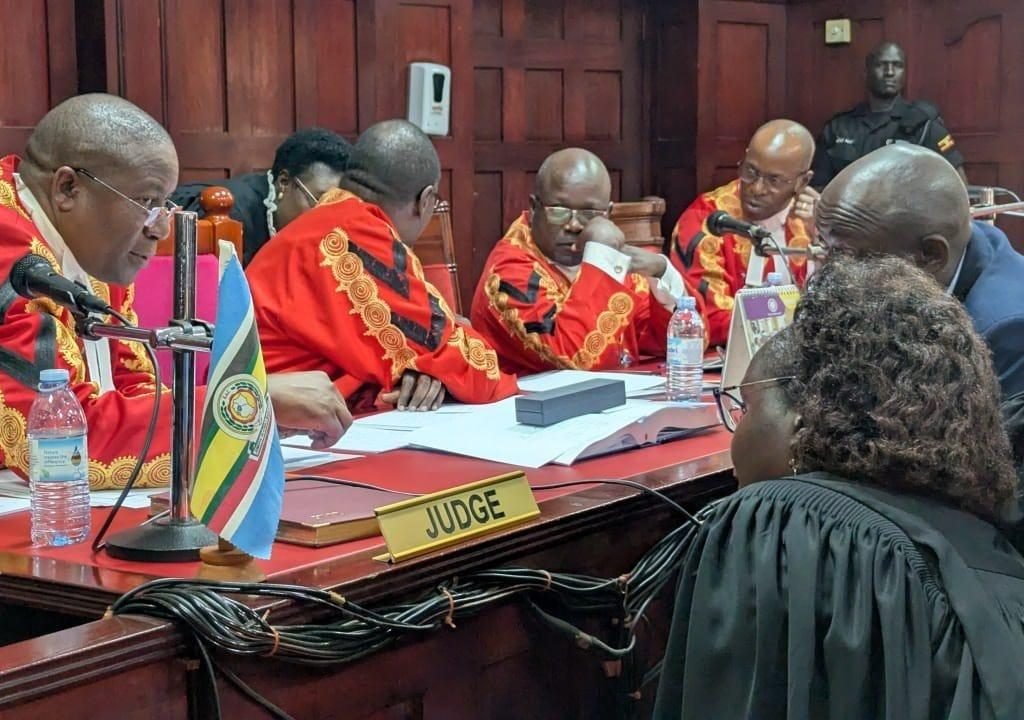
High Court hearings are scheduled to run until Friday, November 13, while those before Chief Magistrates’ Courts commence on September 21 and are expected to conclude by October 30. Principal Judge Lady Justice Jane Frances Abodo has directed the assigned officers, under Administrative Circular No. 5 of 2026, to give the petitions full priority, avoid conflicting commitments, and minimise unnecessary adjournments. During this period, election disputes will take precedence over ordinary judicial work.
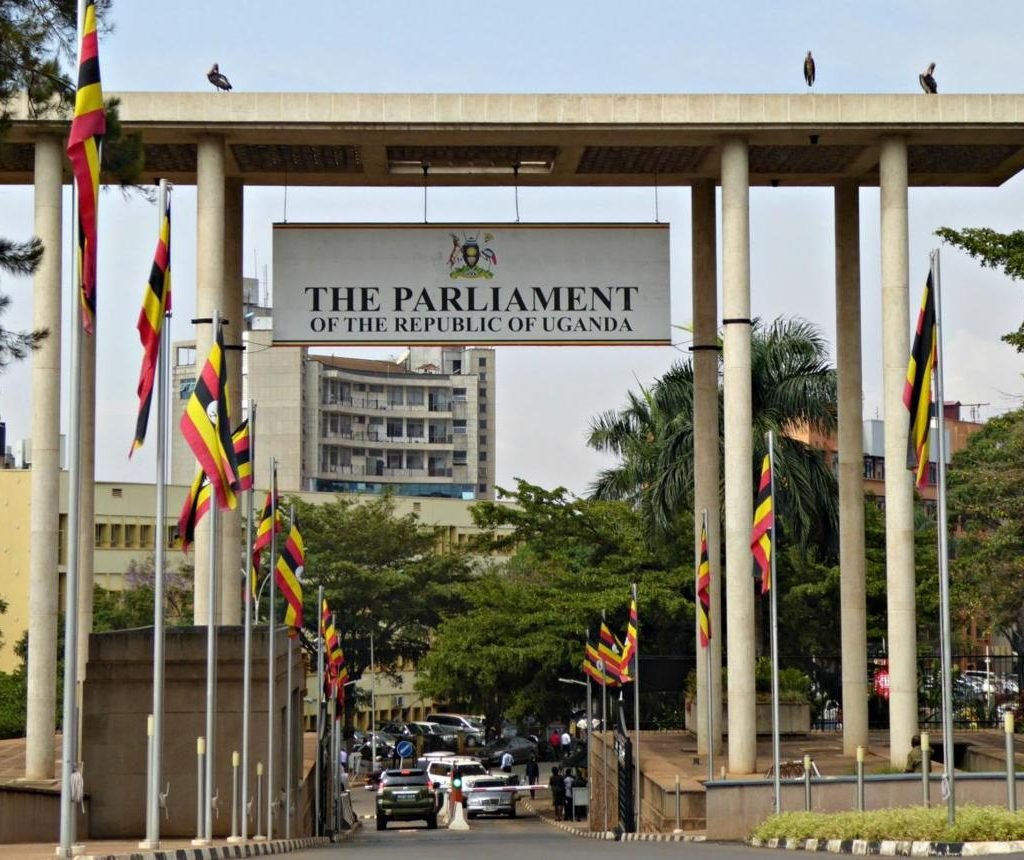
The volume of challenges underscores the contested nature of the January polls. Both the ruling National Resistance Movement (NRM) and the opposition National Unity Platform (NUP) have signalled readiness to defend seats won at the polls. Outcomes of the petitions could alter representation in Parliament and change leadership at district and lower local government levels. A successful petition can nullify a declared victory and trigger a by-election, while dismissal entrenches the status of the winner.
Masaka High Court currently carries the heaviest load, with five judges assigned to 21 petitions. The Civil Division follows with 17 petitions allocated to four judges. Mukono has 14 petitions for three judges, Iganga 13 for three judges, and both Mbarara and Wakiso have 10 each. At the magistrates’ level, Makindye Chief Magistrates’ Court leads with 31 cases assigned to eight officers. Additional judicial officers have been deployed to high-volume stations to manage the pressure.
The Judiciary has emphasised its intention to dispose of the petitions within the statutory six-month window required for parliamentary election challenges. This compressed timeline demands a delicate balance: courts must move swiftly to restore certainty in constituencies where legitimacy remains contested, yet must examine evidence, affidavits and procedural compliance with care. Rushed determinations risk eroding public confidence in the dispute-resolution process; prolonged delays extend political uncertainty and can affect the functioning of local administrations and parliamentary business.
For the parties involved, the courtroom now constitutes a second, decisive electoral arena. Candidates and parties that spent months on the campaign trail must now marshal legal arguments, witnesses and documentary proof. The process tests not only individual victories but also the broader integrity of Uganda’s electoral and judicial institutions. Efficient, transparent and impartial handling of the 346 cases will be essential to consolidating the outcomes of the January elections and reinforcing the rule of law.
Beyond the immediate political stakes, the petition wave presents a significant operational test for the justice system. Coordinating hearings across dozens of stations, ensuring consistent application of electoral law, and managing logistics for litigants, advocates and court staff require careful administration. The Judiciary’s capacity to deliver timely, well-reasoned judgments will shape perceptions of institutional effectiveness long after the final orders are issued.
As the hearings proceed, Uganda enters a critical phase of its electoral cycle. Political victories secured at the polls must now withstand rigorous legal scrutiny. For the hundreds of petitioners and respondents, the campaign may have ended, but the contest for political legitimacy continues this time in the courtroom rather than at the polling station. The coming weeks will determine whether the results of January 2026 stand or are rewritten by judicial decree.
