
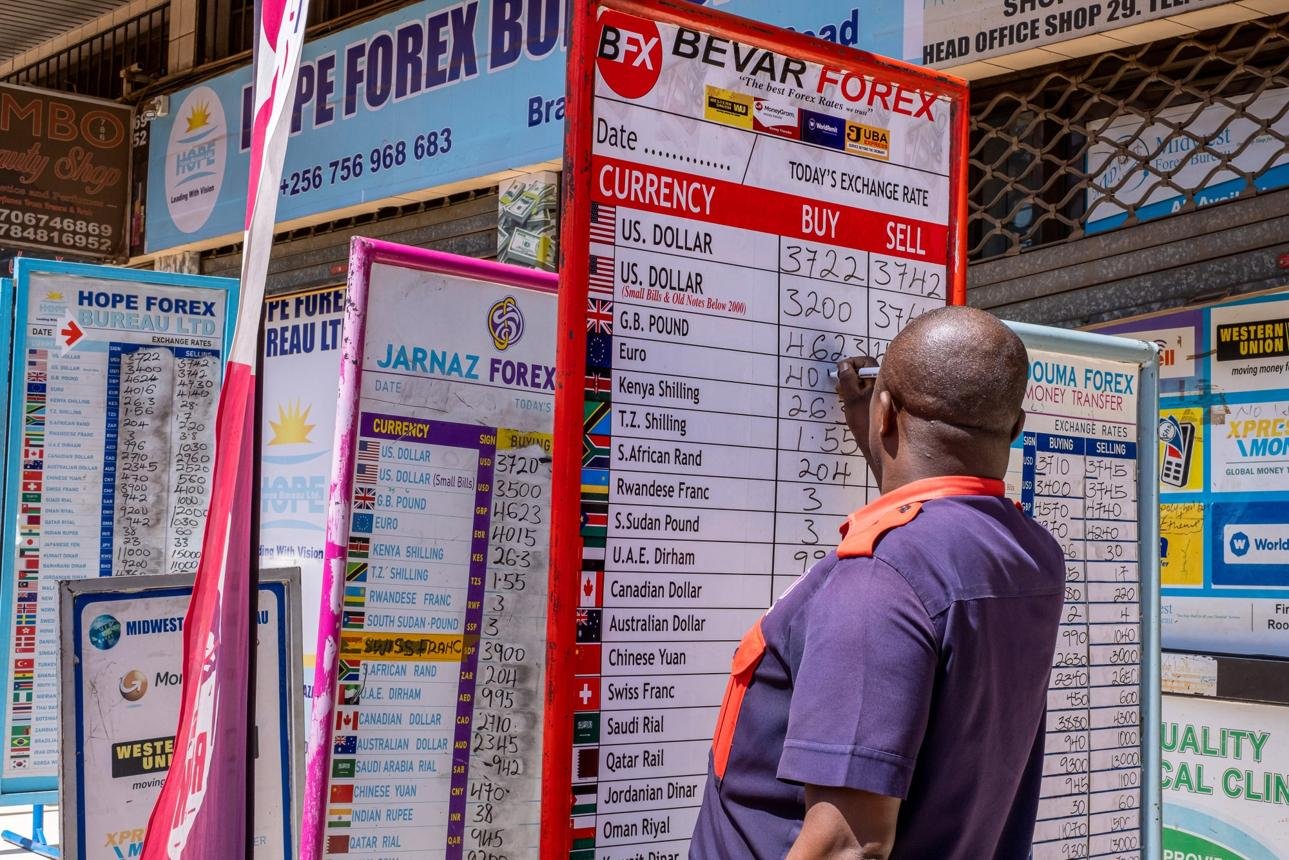
Ugandan businesses are facing renewed cost pressures as the shilling depreciates beyond Shs3,900 against the US dollar while global Brent crude prices rise to about $109 per barrel.
The combination presents a difficult operating environment for companies that depend on imported goods, fuel, machinery and raw materials. Businesses are paying more shillings to obtain the same amount of foreign currency, while higher international oil prices are increasing the cost of importing fuel into the country. For companies already dealing with rising operating expenses, the currency movement is creating pressure on profit margins, pricing and consumer demand.
The shilling’s depreciation has an immediate effect on businesses that import products or production inputs. A movement of nearly Shs150 per dollar within a short period means importers require substantially more shillings to settle the same dollar-denominated payments.
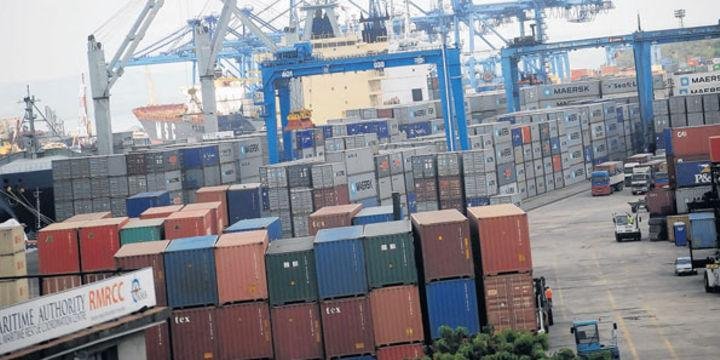
A company importing goods worth $10,000, for example, would need Shs39 million at an exchange rate of Shs3,900 per dollar. At Shs3,750 per dollar, the same payment would have cost Shs37.5 million. The difference of Shs1.5 million adds directly to the cost of acquiring the goods.
For retailers and distributors, higher import costs create a difficult pricing decision. Passing the additional cost to customers risks weakening demand, particularly among consumers whose incomes have not increased at the same pace. Absorbing the cost, on the other hand, reduces already pressured profit margins.
Fuel represents another major channel through which the currency depreciation is affecting businesses. Uganda imports most of its petroleum products, meaning international crude oil prices and the exchange rate both influence domestic fuel costs. When Brent crude rises while the shilling loses value against the dollar, importers face pressure from two directions.
Higher fuel costs then spread through the wider economy. Transporters spend more to move goods, manufacturers face higher energy and logistics expenses, while businesses operating vehicle fleets see their operating budgets rise. The effect eventually reaches consumers through the prices of food, manufactured products and other goods transported across the country.
Manufacturers face additional pressure because many factories depend on imported machinery, spare parts and industrial inputs. Businesses running diesel generators also face higher energy expenses when fuel prices rise.
Manufacturers therefore face difficult choices. Some might absorb higher costs and accept lower margins, while others might increase prices. For businesses operating in highly competitive markets, either option presents a challenge.
The depreciation also creates a different outcome for exporters. Ugandan companies selling commodities such as coffee, gold and agricultural products in international markets earn revenue in US dollars. When exporters convert their dollar earnings into shillings at a weaker exchange rate, they receive more local currency for each dollar earned.

An exporter receiving $100,000, for instance, would obtain Shs390 million at an exchange rate of Shs3,900 per dollar, compared with Shs375 million at Shs3,750. The additional Shs15 million provides higher shilling revenue before accounting for other costs and market conditions.
The benefit for exporters depends on their cost structures. Companies importing machinery, fertilisers, packaging materials or other inputs still face higher expenses resulting from the weaker shilling. For businesses exposed to currency volatility, managing foreign exchange risk is therefore becoming increasingly important.
One approach involves forward contracts, where businesses agree with commercial banks on an exchange rate for a future transaction. Such arrangements provide greater certainty for companies expecting to make dollar payments for imports.
Businesses are also reviewing their supply chains and increasing local sourcing where suitable alternatives exist. Buying more inputs from Ugandan or regional suppliers reduces exposure to dollar-denominated costs and limits the effect of exchange rate movements.
Another response involves more frequent pricing reviews. Rather than waiting for major changes in operating costs, businesses are assessing expenses regularly and making smaller pricing adjustments where necessary. The current pressure also highlights the importance of maintaining adequate working capital. Companies that operate with limited cash reserves face greater difficulty when inventory suddenly becomes more expensive or transport and energy bills rise.
For Uganda’s private sector, the combination of a weaker shilling and higher oil prices therefore presents a mixed picture. Import-dependent businesses are facing higher costs, manufacturers are confronting rising overheads, and consumers face pressure from higher prices. Exporters, meanwhile, stand to receive higher shilling proceeds from dollar earnings. How businesses respond will depend largely on their exposure to foreign currency, their pricing power, access to finance and ability to source inputs locally or within the region.
