
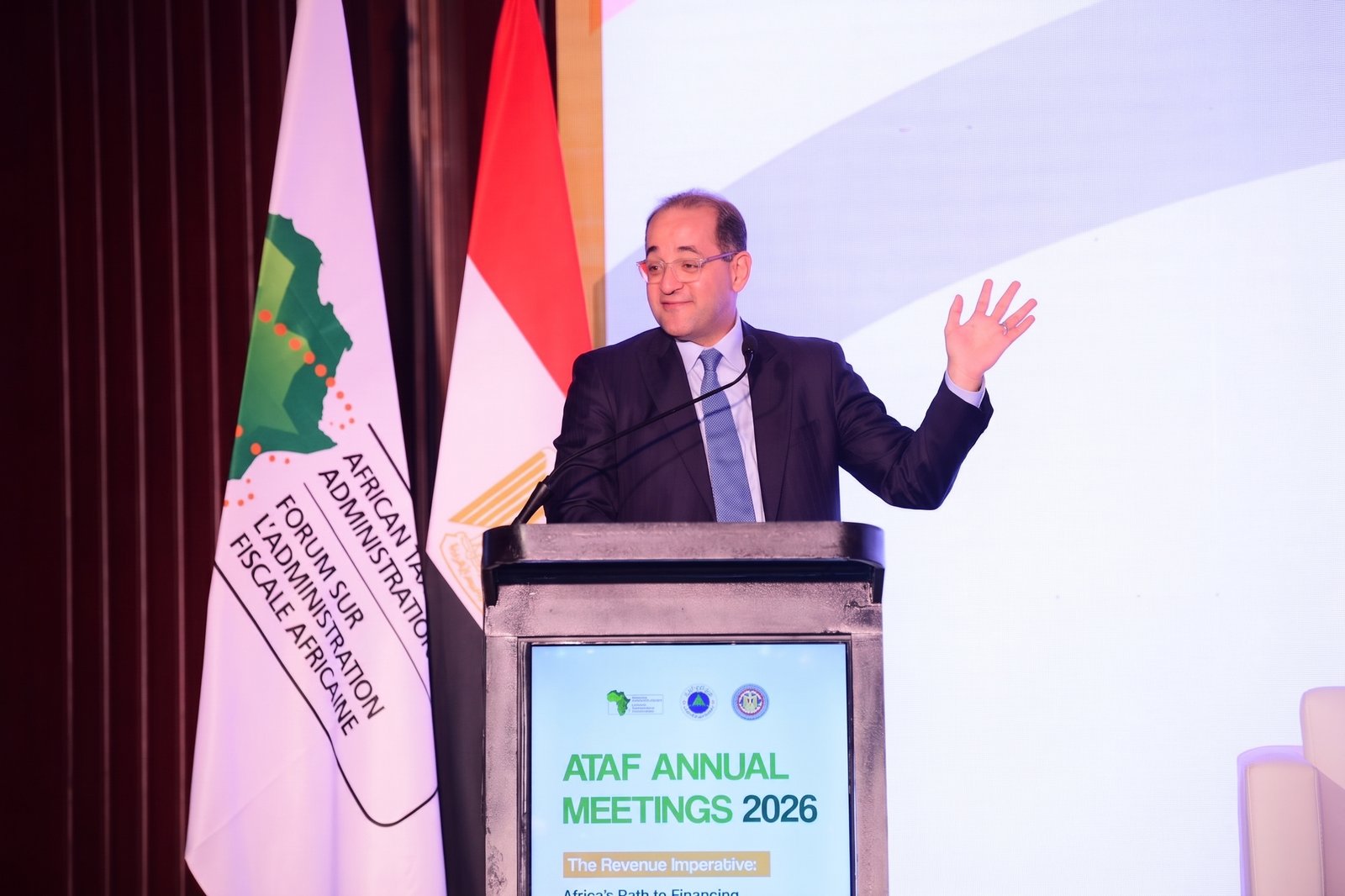
African tax leaders gathering in Cairo are calling for stronger tax institutions, better cross-border cooperation, and reforms that enable governments to collect more revenue from economic activity across the continent.
The message emerging from the 2026 Annual Meetings of the African Tax Administration Forum (ATAF) is that Africa’s development financing challenge requires more than increasing tax rates. Governments need tax systems capable of identifying taxable income, addressing cross-border tax avoidance, improving compliance, and making it easier for businesses and individuals to meet their obligations.
The five-day meetings, running from November 1 to 5 at Sofitel Downtown Cairo in Egypt, are being held under the theme, “The Revenue Imperative: Africa’s Path to Financing Its Own Development.” The gathering has brought together tax administrators, finance officials, policymakers, researchers and development partners to discuss how African countries can strengthen domestic revenue mobilisation.
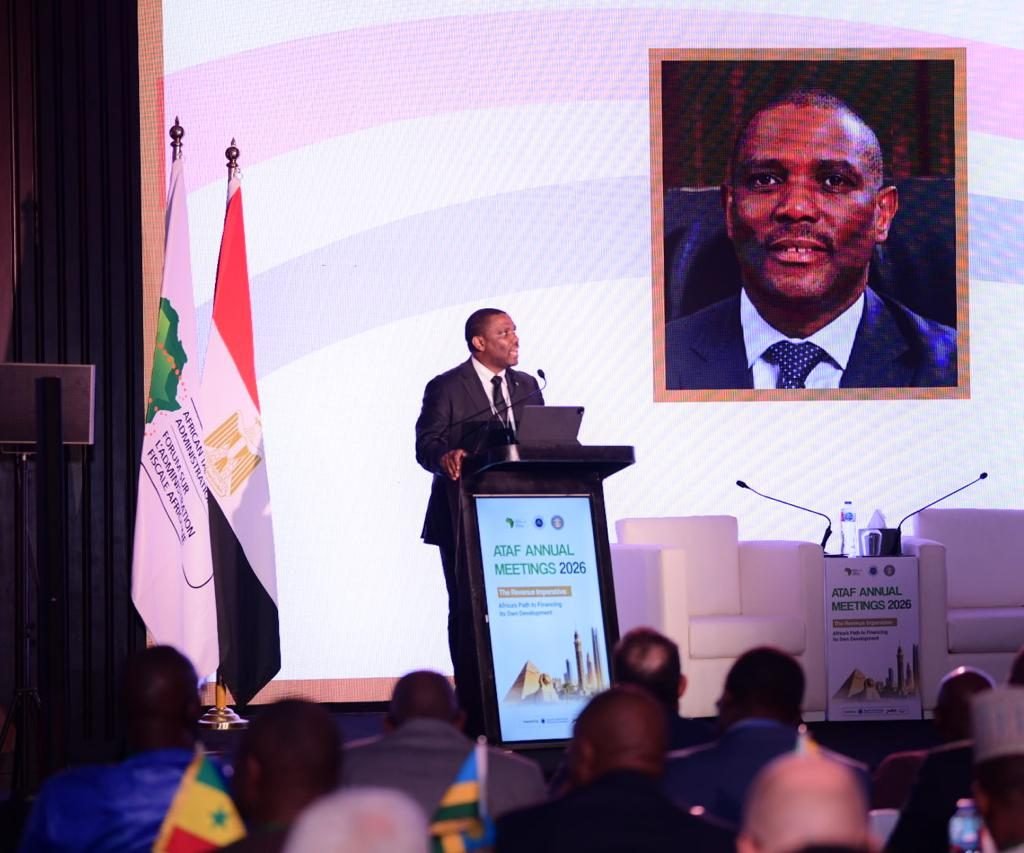
For Dr Johnstone Makhubu, Chairperson of the ATAF Council and Commissioner of the South African Revenue Service, the decisions made by tax administrators carry consequences for more than 1.6 billion Africans. He argued that the responsibility of tax institutions extends beyond collecting money for government.
Speaking during the Ordinary ATAF Council Meeting, Makhubu called for leadership guided by Ubuntu, an African philosophy emphasising shared responsibility and service to others. He said the Council needed to leave behind an institution with clear priorities, stronger governance and the capacity to continue delivering on its mandate.
“Our responsibility is to leave that Council an institution that is stronger, priorities that are clear, risks that are visible, decisions that are well grounded and a mandate that can confidently be carried forward,” he said.
His remarks place institutional leadership at the centre of the continent’s revenue mobilisation agenda. Tax authorities need public confidence, skilled personnel and effective systems to collect revenue consistently. Poor administration and weak accountability risk undermining the relationship between taxpayers and government.
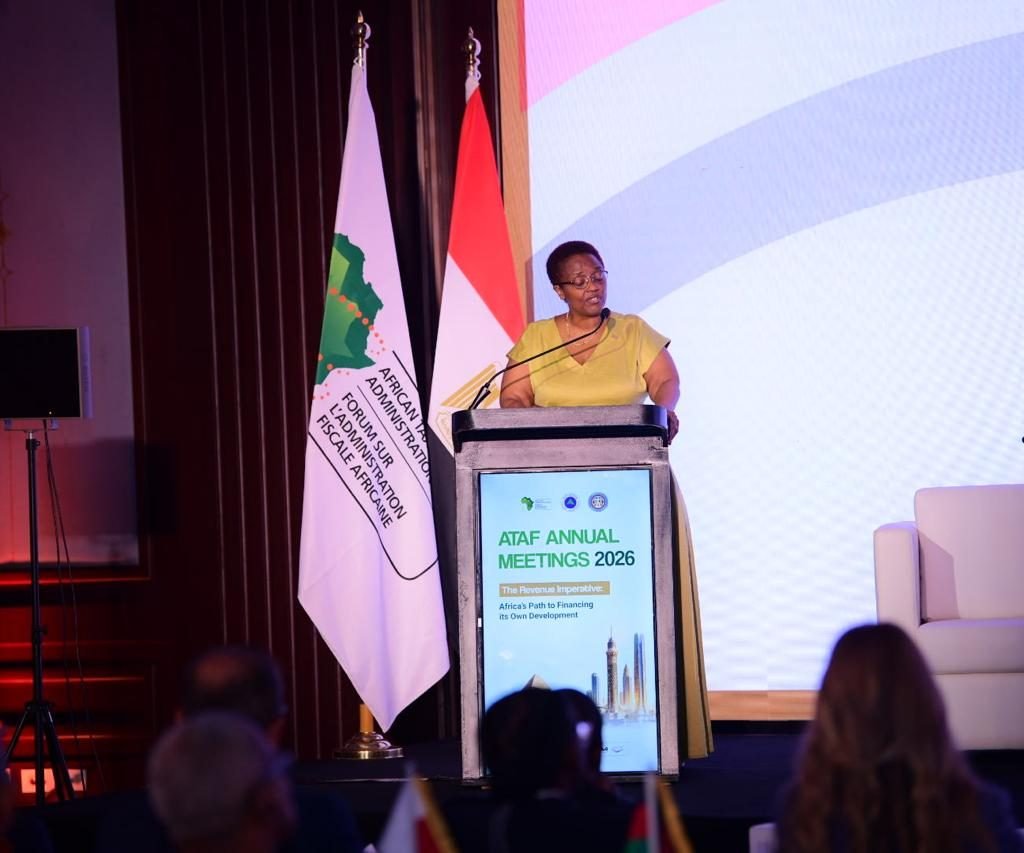
ATAF Executive Secretary Mary Baine pointed to progress already made through the organisation’s technical committees. During her opening address on November 1, she reported that 58 tax policy changes had been recorded across member countries since the committees were established. The committees cover direct taxation, indirect taxation, tax administration, cross-border taxation and the exchange of tax information. They provide a platform for tax officials from different countries to share expertise and develop recommendations for improving national tax systems.
Baine urged member countries to take responsibility for implementing the reforms proposed through these committees, particularly after the recommendations receive approval at the national level.
The figure of 58 reflects the contribution of regional technical cooperation to tax policy development. The next challenge is ensuring the changes translate into better administration and higher compliance within individual countries. A policy recommendation has limited value if national authorities lack the resources, staff or systems to implement it.
Kenya’s experience offers an example of how regional cooperation is supporting national tax administration. Nickson Omondi of the Kenya Revenue Authority highlighted ATAF’s contribution to the development of Kenya’s transfer pricing framework through the Transfer Pricing Toolkit. He also pointed to the Forum’s support for a framework to tax digital services.
Transfer pricing rules govern the prices charged between related companies operating in different jurisdictions. These rules matter to African governments because multinational businesses often conduct transactions across several countries. Without effective rules and enforcement, tax authorities face difficulties determining whether profits have been correctly reported in the countries where economic activity takes place.
The taxation of digital services presents a related challenge. Businesses increasingly earn income from customers in countries where they have limited physical presence. Tax authorities therefore need appropriate laws, information and technical capacity to identify taxable activity and apply relevant rules.
Egypt is also seeking a stronger role in regional tax cooperation. Rasha Abdel Aal, Head of the Egyptian Tax Authority, said the country had been working to reactivate its participation in ATAF and strengthen its presence across the organisation’s technical structures.
“Guided by our belief in the importance of ATAF’s role, we have worked over the past period to reactivate Egypt’s participation and strengthen its presence across the Forum’s various mechanisms,” Abdel Aal said.
She pointed to Egypt’s representation on the Cross-Border Taxation and Direct Taxation Technical Committees, alongside the accreditation of the Egyptian Tax Authority’s training centre as a regional centre for North Africa. Egypt has also signed ATAF’s Charter on Women’s Empowerment and Gender Equality.
Abdel Aal has also emphasised the need to connect tax policy development with investment in human capital and effective partnerships. The position reflects a practical concern facing many African tax administrations. New laws and digital systems require trained personnel and institutional support before they produce meaningful results.
Technology is another area attracting attention. During a benchmarking visit to the South African Revenue Service on October 26 and 27, an ATAF delegation led by Sameera Khan, Head of the Project Management Office, examined the use of artificial intelligence, robotic process automation and advanced analytics in tax administration.
Khan described the engagement as the beginning of a longer technical relationship between the two institutions.
“We view this engagement not as a one-off visit, but as the beginning of a deeper and more structured technical collaboration between ATAF and SARS,” she said.
For businesses, improvements in tax administration have direct implications for filing returns, accessing taxpayer services, and responding to audits. Better digital systems and more coordinated procedures could reduce administrative delays. At the same time, stronger information systems are likely to improve tax authorities’ ability to identify discrepancies and examine transactions.
Civil society organisations are also bringing questions of fairness and accountability into the discussions. Tax Justice Network Africa (TJNA) is participating in the meetings with an agenda covering illicit financial flows, debt sustainability, digital taxation, beneficial ownership and tax transparency.
The organisation argues for stronger measures to prevent money from leaving African economies through illicit financial flows and for greater African influence in international tax negotiations. Its scheduled sessions on November 4 will examine the relationship between debt and fiscal space, the taxation of digital businesses and measures to address illicit financial flows. The organisation is also due to contribute to discussions on an African Accountability Framework on November 5. The proposed framework is intended to help track whether governments translate international financing commitments into measurable action.
Research is expected to add another dimension to the debate. UNU-WIDER has scheduled a presentation by Dr Amina Ebrahim alongside Egypt’s Deputy Minister of Finance for Tax Policy and Reforms, Ramy Youssef. The session will examine empirical estimates of the potential revenue gains from proposed United Nations tax convention rules on cross-border services. The research is intended to inform African countries as they consider their negotiating positions on international tax cooperation. For businesses providing services across borders, the outcome of these negotiations could influence where income is taxed and how tax obligations are distributed between countries.
The different positions emerging from Cairo point to a shared concern. African governments need more reliable domestic revenue to finance public services and development priorities, while businesses need predictable rules, efficient tax administration and fair treatment.
The challenge facing ATAF member countries is to turn the discussions into reforms that work in practice. Stronger enforcement must be accompanied by clear procedures, competent tax officials, accessible taxpayer services and accountability in the use of public revenue.
The meetings continue up to November 5, when the 9th ATAF General Assembly and discussions on institutional reform and accountability are expected to shape the Forum’s next priorities. The value of the Cairo gathering will ultimately depend on whether governments implement the recommendations and strengthen the systems responsible for collecting and managing public revenue.
