
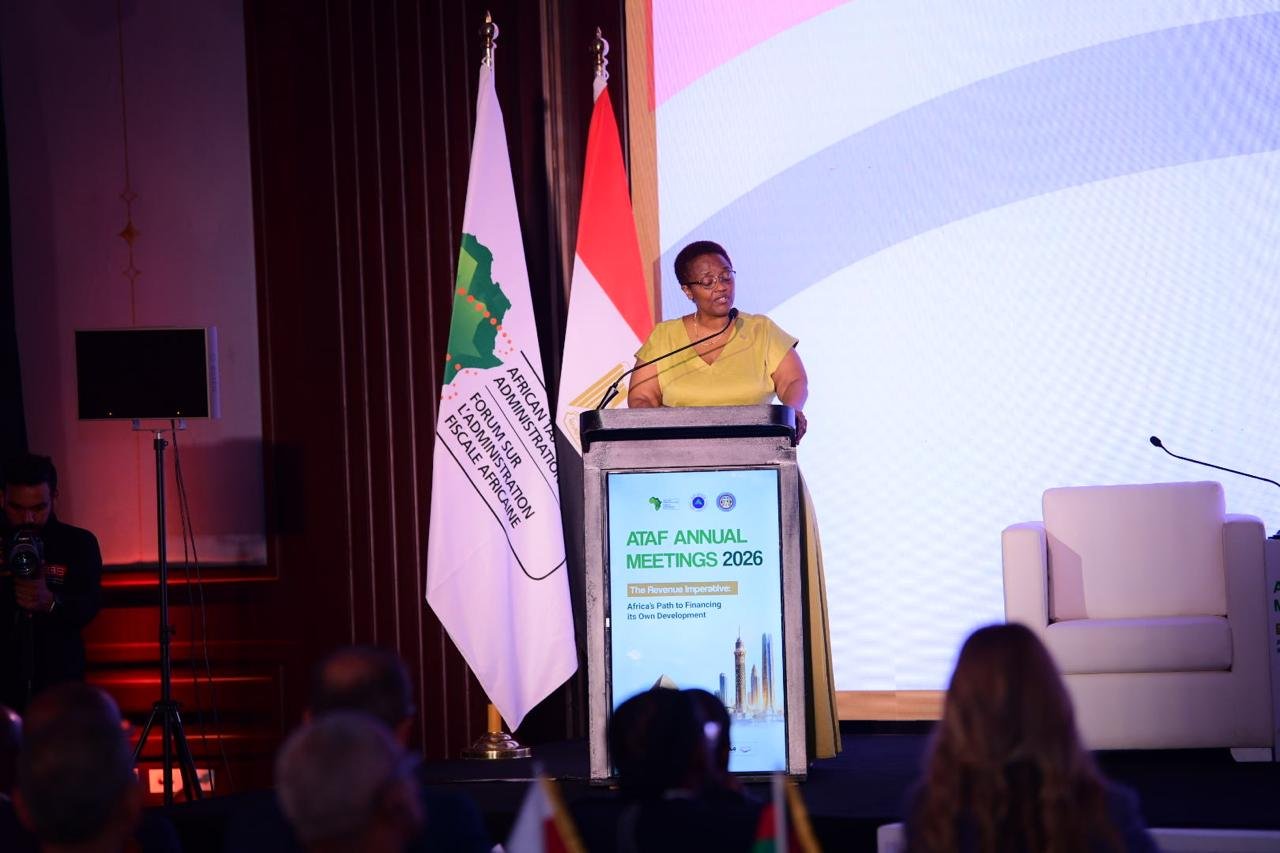
African countries must move beyond international taxation commitments and deliver measurable improvements in domestic revenue mobilisation, African Tax Administration Forum (ATAF) Executive Secretary Mary Baine has said, challenging tax administrations and development partners to translate policy declarations into concrete national reforms.
Speaking at the opening of ATAF’s 2026 Annual Meetings in Cairo on November 3, Baine said the priority was no longer to establish why African countries need stronger domestic revenue systems, but to determine how they can achieve them.
“This is not another conference on why. The why is already established. This week is about how.”
Her remarks place implementation at the centre of Africa’s taxation agenda, as governments face growing pressure to finance development through domestic resources, strengthen public institutions and reduce dependence on external financing.
The call comes more than a decade after the 2015 Addis Ababa Action Agenda recognised domestic resource mobilisation as a critical driver of sustainable development. The ambition was renewed in July 2025 through the Compromiso de Sevilla, which reaffirmed the need for stronger tax systems, greater transparency and more effective action against tax evasion and illicit financial flows.
However, translating these international commitments into national policies and functioning institutions remains a challenge. Baine wants African countries to move towards clearly defined national strategies, with specific priorities, institutional responsibilities and measurable targets against which progress can be assessed.
She also cautioned against an approach in which international initiatives multiply without sufficient ownership by the tax administrations expected to implement them.
For ATAF, African tax administrations must lead the reform process, with development partners providing the technical expertise, financing and support required to deliver country-defined priorities. Rather than imposing programmes that may not adequately reflect national circumstances, partners should align their interventions with the needs identified by individual administrations.
The implementation agenda is also reflected in ATAF’s Revenue Action for Development in Africa (RADA) programme, through which the organisation intends to double the results and impact of its work with member states and their development partners by 2030.
Progress will be assessed against three measures: additional tax revenue actually collected, reduced revenue losses and stronger institutions responsible for tax administration.
These indicators shift attention from the number of reforms announced or programmes implemented to their actual contribution to government revenues and institutional capacity.
Achieving these results will require tax administrations to improve their ability to monitor economic activities, identify tax evasion, enforce existing legislation and respond to increasingly complex financial transactions. It will also require investment in skilled personnel, appropriate technology and institutional systems capable of supporting effective tax enforcement.
The challenge extends beyond domestic tax administration. As businesses and financial transactions increasingly operate across national borders, African countries must strengthen cooperation, information exchange and their capacity to participate in international tax negotiations.
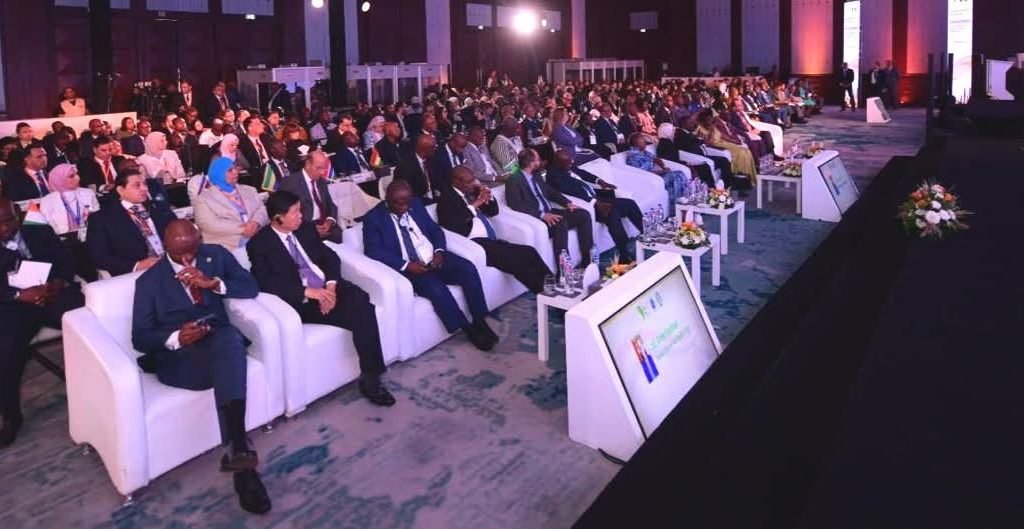
One important area is the proposed United Nations Framework Convention on International Tax Cooperation. The negotiations offer African countries an opportunity to influence the development of international tax rules, particularly regarding the allocation of taxing rights in the digital economy and cross-border transactions.
Greater participation would also strengthen the continent’s ability to defend its interests in a global tax system where decisions on how and where multinational businesses are taxed can have significant implications for developing economies.
Baine’s appeal therefore extends beyond national revenue authorities to the development partners supporting tax reforms across the continent. She wants governments, tax administrations and their partners to coordinate their interventions around priorities established by African administrations and assess the results collectively.
“Let us move in the same direction, guided by the priorities set by African tax administrations, with results that we measure together.”
ATAF’s 2026 Annual Meetings are being held under the theme, “The Revenue Mobilisation Imperative: Africa’s Pathway to Financing Its Own Development.”
The discussions are expected to address illicit financial flows, taxation of the digital economy and stronger cooperation among African tax administrations, as countries seek more effective ways to mobilise domestic resources and finance their development priorities.
The central challenge emerging from the meeting is whether the continent can turn years of international tax commitments into stronger institutions, reduced revenue losses and additional money actually collected by national governments.
