
African governments face a difficult fiscal equation: they need more revenue to finance infrastructure, healthcare, education and other development priorities, but the conventional approach of increasing taxes risks placing additional pressure on households and businesses already struggling with rising costs.
The challenge is not necessarily that African economies lack taxable economic activity. Rather, many governments continue to struggle with inefficient tax administration, narrow tax bases, large informal sectors, weak institutional capacity and limited public trust in revenue authorities.
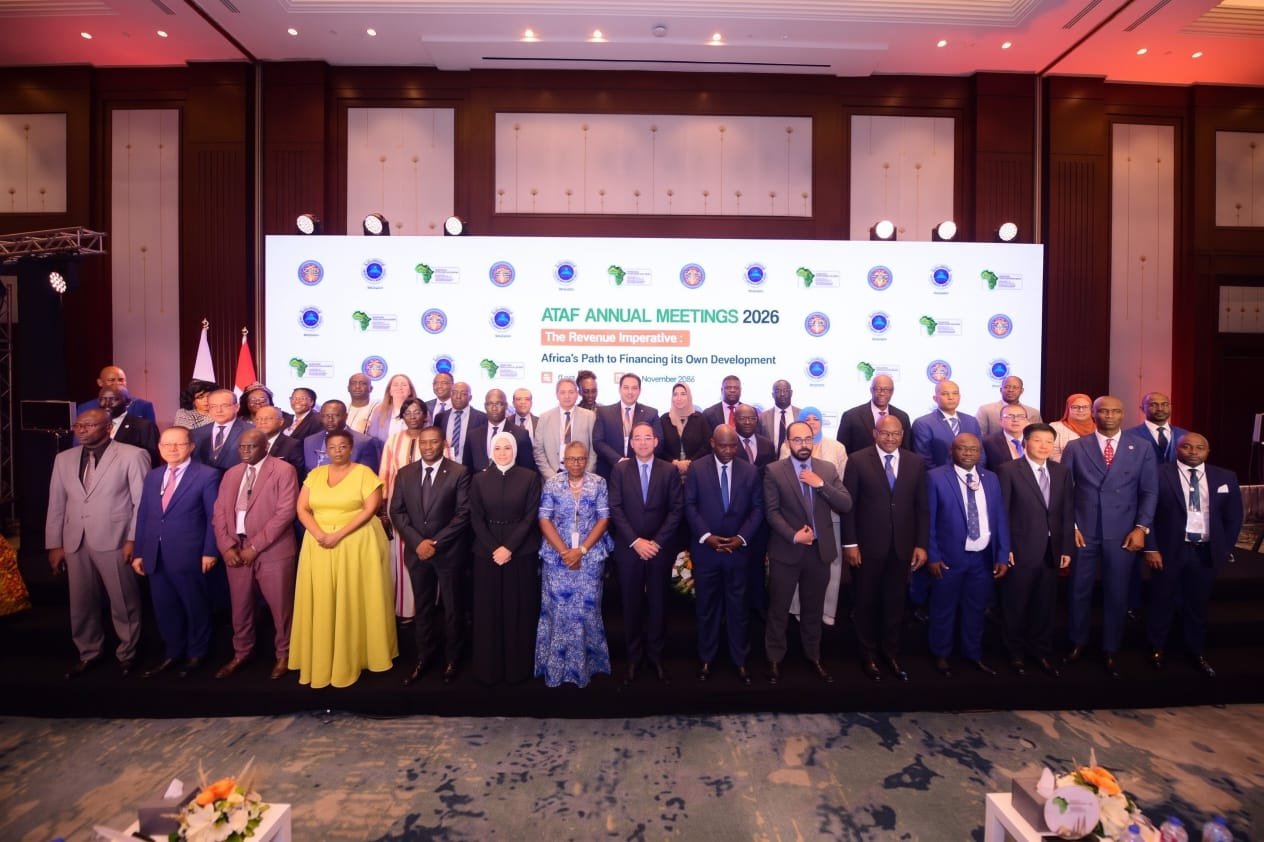
These challenges are at the centre of the African Tax Administration Forum (ATAF) Annual Meetings, taking place in Cairo, Egypt, from November 1 to 5, under the theme “The Revenue Imperative: Africa’s Path to Financing Its Own Development.”
The figures illustrate the scale of the problem. According to the Revenue Statistics in Africa 2025 report, published by the OECD, African Union Commission and ATAF, Africa’s average tax-to-GDP ratio stood at 16.1 per cent in 2023, an improvement of 0.5 percentage points from the previous year. The OECD average was 33.9 per cent.
However, the continental average conceals significant disparities. Tunisia recorded a tax-to-GDP ratio of 34 per cent, while Somalia stood at just 2.9 per cent. Of the 38 African countries covered in the report, 20 collected tax revenue equivalent to less than 15 per cent of GDP.
The tax-to-GDP ratio measures the amount of tax revenue collected relative to the total value of goods and services produced in an economy. A low ratio limits the resources governments can mobilise domestically, increasing their dependence on borrowing and external financing.
But closing the gap is not simply a matter of introducing higher tax rates. It requires governments to improve collection efficiency, identify previously untaxed economic activity, close loopholes and establish greater accountability in how public revenue is spent.
The untapped revenue opportunity
The African Development Bank (AfDB) estimates that African countries could mobilise an additional $469.2 billion annually through more efficient tax collection without increasing statutory tax rates.
The bank’s Chief Economist and Vice President, Prof Kevin Urama, highlighted the opportunity in June 2026, pointing to digitalisation, stronger institutions and improved public services as important drivers of compliance.
“By improving tax administration through digitisation and other reforms, just adopting best practices, the continent can mobilise over $469bn extra without increasing tax rates. It is simply about improving efficiency and strengthening compliance,” Urama told the News Agency of Nigeria.
The estimate presents an important distinction for African policymakers: the challenge may be less about how much governments charge and more about how effectively they identify, assess and collect what is already owed.
For businesses, inefficient tax administration can be as costly as high tax rates. Complicated filing procedures, inconsistent enforcement and lengthy compliance processes consume resources, particularly for small and medium-sized enterprises that lack dedicated finance departments.
A World Bank analysis of tax administration in sub-Saharan Africa identifies three essential functions: reliable taxpayer identification, accurate assessment of tax obligations, and efficient billing and collection.
Digital records, interconnected government databases and electronic payment systems can strengthen these functions. However, digitalisation must simplify compliance rather than introduce another layer of administrative complexity. Businesses also need predictable enforcement, accessible support and safeguards against inaccurate assessments and misuse of personal information.
Bringing the informal economy into the tax system
Another significant obstacle is Africa’s large informal economy. Millions of businesses operate outside fully registered systems, making it difficult for revenue authorities to identify economic activity and establish appropriate tax obligations.
However, bringing these businesses into the tax system requires more than enforcement.
Complicated registration procedures and unaffordable tax demands can discourage small enterprises from formalising. Governments therefore need simpler registration arrangements, clear turnover thresholds and incentives that make formalisation economically worthwhile.
Access to finance, public procurement opportunities, business development services and legal protection can make registration more attractive by demonstrating the practical benefits of operating formally.
Dr Johnstone Makhubu, Chairperson of the ATAF Council and a representative of the South African Revenue Service (SARS), argues that African revenue authorities must change how they engage taxpayers.
“To truly raise Africa’s tax-to-GDP ratio, our approach must shift from aggressive enforcement to strategic partnership. We must make compliance simple and accessible, leading with education, awareness, and close collaboration with industry bodies rather than heavy-handed penalties. Bringing the informal sector into the fold requires trust, not intimidation,” Makhubu said.
His position highlights a fundamental tension in tax administration: governments need stronger enforcement to prevent evasion, but excessive reliance on penalties can undermine the cooperation needed to build a broader and more sustainable tax base.
Why cross-border cooperation matters
The challenge becomes more complicated as businesses increasingly operate across multiple African markets. Differences in tax regulations, limited information-sharing and sophisticated corporate structures can make it difficult for individual revenue authorities to identify profit shifting, transfer-pricing abuses and other forms of tax avoidance.
Makhubu has called for African countries to strengthen cooperation in ensuring that multinational technology companies pay their fair share of taxes, while supporting international efforts against tax havens and illicit financial flows.
The scale of what coordinated action can achieve is reflected in ATAF’s 2025 annual report. Audit interventions supported by the organisation resulted in $907.8 million in additional tax assessments across member countries, of which $685.8 million was collected.
ATAF also provided technical assistance to 35 countries and trained 2,433 tax officials from 43 countries.
These interventions demonstrate the importance of specialised auditing capabilities, particularly in international taxation and transfer pricing, where revenue authorities must understand complex corporate arrangements and cross-border transactions.
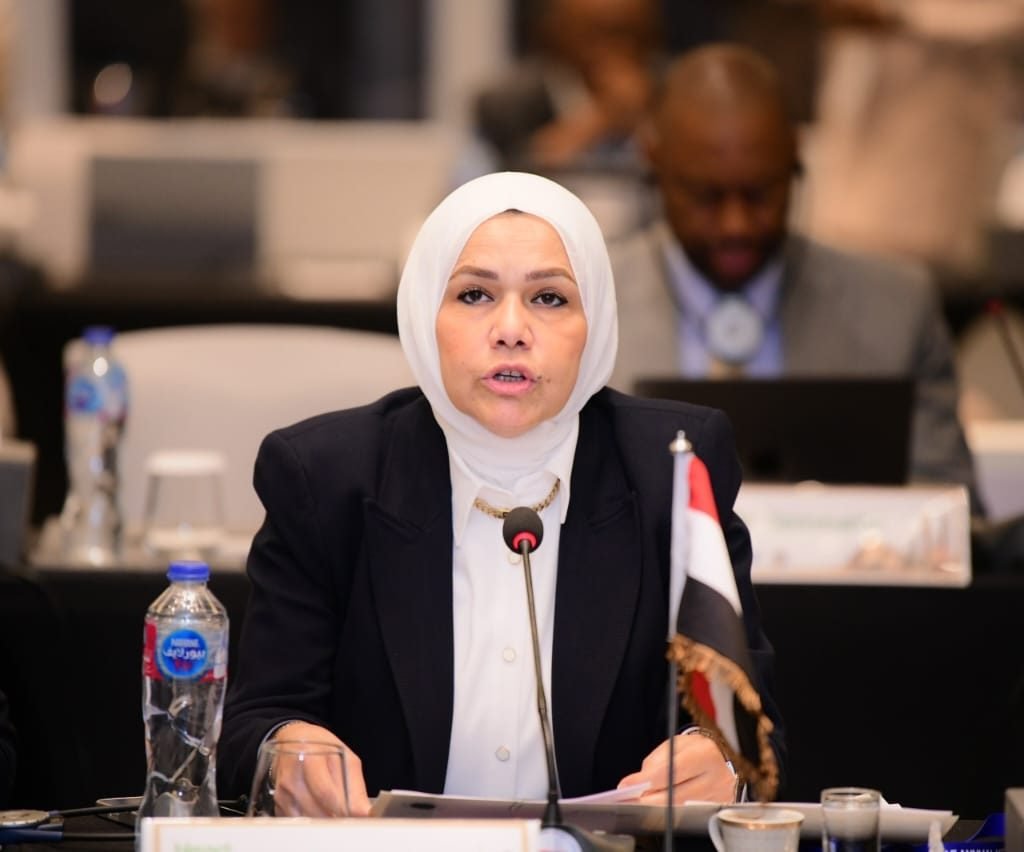
Egyptian Tax Authority Head Rasha Abdel Aal has similarly called for stronger cooperation among African tax administrations and greater exchange of effective practices. Egypt’s own reform programme includes simplifying tax procedures, expanding digital services and improving transparency and fairness.
The missing ingredient: taxpayer confidence
Even with improved technology, stronger enforcement and regional cooperation, Africa’s revenue mobilisation efforts face another challenge: public trust.
A 2024 International Monetary Fund study covering 32 African countries found an association between negative perceptions of tax authorities and lower efficiency in value-added tax collection. It estimated that a one-percentage-point increase in the share of citizens expressing little or no trust in tax departments was associated with a 0.22 per cent decline in VAT efficiency.
The findings reinforce the relationship between tax compliance and the perceived legitimacy of government institutions.
When taxpayers cannot see how public revenue translates into better infrastructure, healthcare, education and other services, their willingness to comply may weaken. Concerns about corruption, poor procurement practices and limited accountability can further undermine confidence.
Research published by the Brookings Institution in 2018 estimated that improved governance, anti-corruption measures and stronger accountability could help sub-Saharan Africa mobilise up to $110 billion annually over five years.
Although the estimate is based on an earlier period, it highlights an enduring problem: weaknesses in governance can reduce the revenue governments collect from existing economic activity.
The question of who carries the tax burden
Tax design also matters. The OECD’s 2025 report indicates that taxes on goods and services accounted for 51.2 per cent of total tax revenue across the African countries covered in 2023. Value-added tax alone contributed 26.6 per cent, while taxes on income and profits accounted for 40 per cent.
The reliance on consumption taxes raises questions about affordability and fairness, particularly for lower-income households that spend a significant proportion of their earnings on essential goods and services.
For businesses, an effective tax system should provide predictable regulations, simpler compliance procedures, fair enforcement and a broader base of registered taxpayers. For governments, it should deliver more reliable domestic revenue to finance public investment while reducing dependence on borrowing and external assistance.
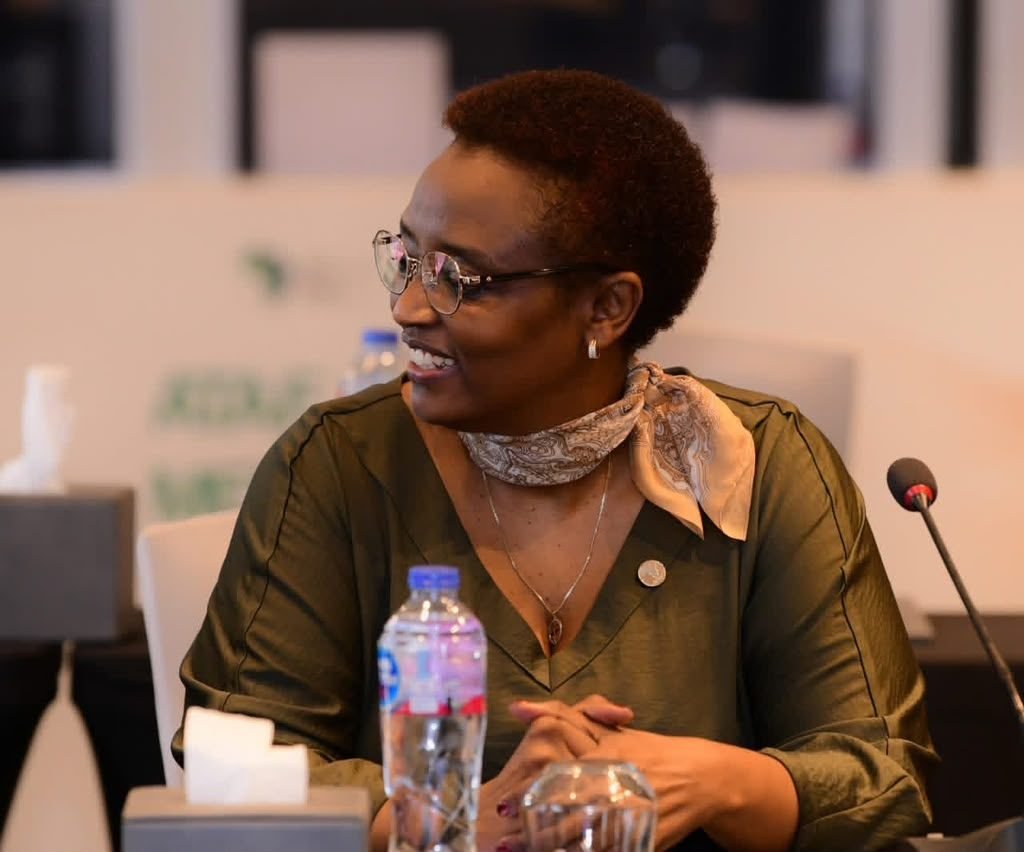
ATAF Executive Secretary Mary Baine has described domestic resource mobilisation as essential to Africa’s development financing, arguing that stronger tax systems must be matched by integrity, effectiveness and measurable results.
“Domestic Resource Mobilisation is no longer optional for Africa; it is the foundation for sustainable development, economic resilience, and fiscal sovereignty,” Baine said in May, when announcing ATAF’s 2025 annual report.
The Cairo meetings therefore face a test that extends beyond setting higher revenue targets. Their significance will ultimately depend on whether African countries can translate discussions into practical reforms that simplify tax administration, strengthen cross-border enforcement, formalise more economic activity and rebuild public confidence.
Africa needs more domestic revenue. But the sustainability of that revenue will depend not simply on how much governments collect, but on how fairly they collect it, how efficiently they administer it and how visibly they convert it into public value.
