
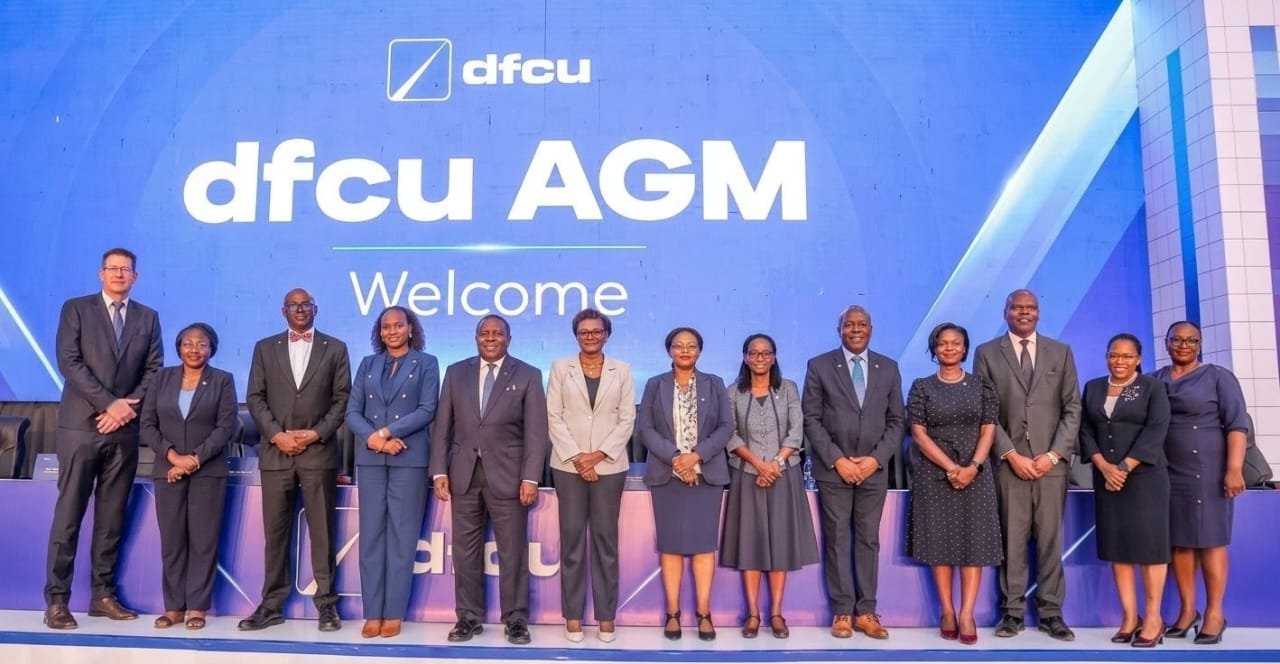
dfcu Limited has reported total assets of UGX 3.7 trillion for the year ended 31 December 2025, representing an 8.8% increase from UGX 3.4 trillion in 2024 as the bank recorded growth in customer deposits, lending, and income despite a challenging operating environment.
The financial results highlight continued progress in the bank’s transformation strategy, with customer deposits rising 15% to UGX 2.71 trillion from UGX 2.36 trillion, while loans and advances increased 12% to UGX 1.26 trillion. Total income also grew by 16% to UGX 526 billion, reflecting improved business activity and diversified revenue streams.
Group Profit After Tax rose to UGX 74.9 billion, up from UGX 72.1 billion the previous year, while the Board recommended a dividend of UGX 21.8 per share, an increase from UGX 20.1 per share in 2024.
The bank attributed the performance to the latest phase of its transformation programme, which has progressed from Refocusing and Reorganizing to Reengineering, with an emphasis on sector specialization, digital transformation, customer experience, and operational productivity.

Managing Director and Chief Executive Officer Charles Mudiwa has led the strategy, which focuses lending on productive sectors of the economy, including agriculture, manufacturing, trade, infrastructure, and small and medium-sized enterprises (SMEs). The approach is intended to strengthen support for businesses while positioning the bank for sustainable long-term growth.
Digital banking continued to play a significant role in the bank’s performance during the year. According to the results, the bank’s *240# USSD banking platform now reaches approximately 68% of its customers, providing access to banking services without internet connectivity. The bank also expanded the use of its Mobi Loan platform to improve access to credit for retail and SME customers.
The lender also reported continued progress in its financial inclusion initiatives. Through its Women in Business (WiB) programme, dfcu has engaged more than 74,000 women entrepreneurs and disbursed approximately UGX 95 billion in financing to women-owned businesses. In addition, the bank said it has reached more than 600,000 people through SACCOs and investment clubs, helping mobilize approximately UGX 105 billion in community savings.
The bank’s core operating subsidiary, dfcu Bank, recorded standalone Profit After Tax of UGX 81.5 billion, an 8.5% increase from the previous year. The growth was supported by a 20% rise in non-funded income to UGX 108 billion, reflecting increased transaction volumes and growth in fee-based services.
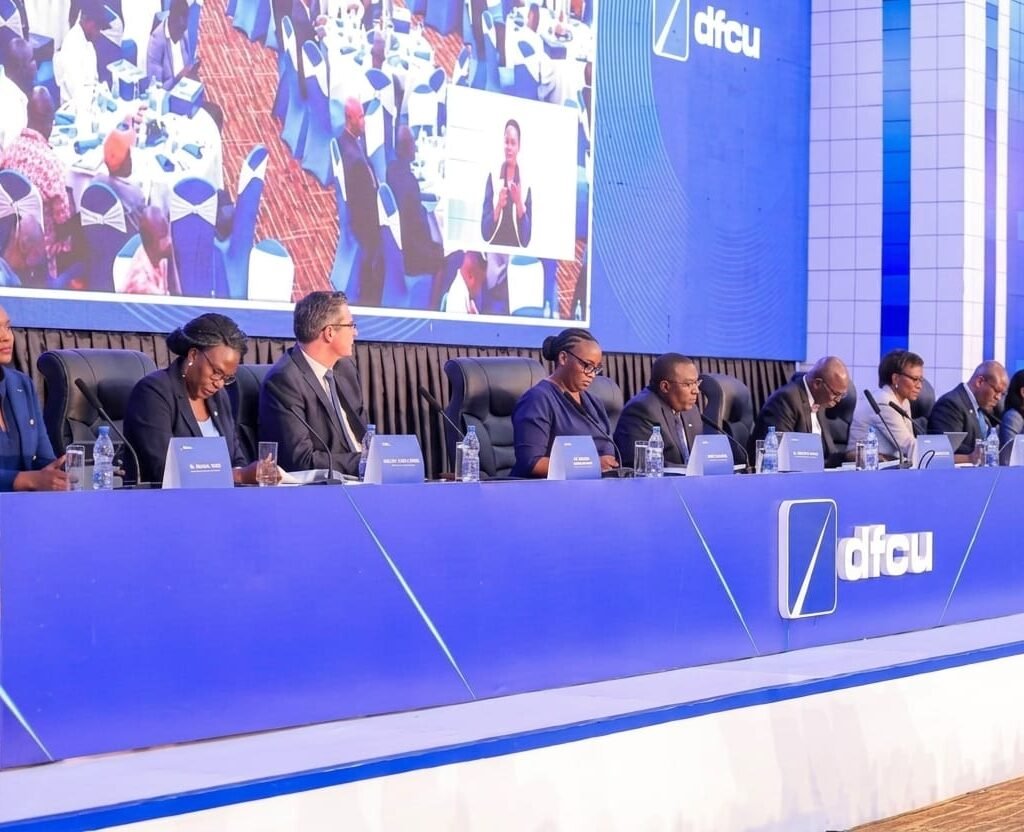
The results come as Uganda’s banking industry continues to navigate elevated funding costs, uneven liquidity conditions across sectors, and global economic uncertainty. Despite these pressures, banks have increasingly focused on strengthening deposit mobilization, expanding digital services, and supporting lending to productive sectors of the economy.
Industry analysts view growth in customer deposits and assets as indicators of public confidence and financial stability, with larger balance sheets providing banks greater capacity to finance businesses, infrastructure projects, agriculture, and other long-term investments.
For dfcu, crossing the UGX 3.7 trillion asset mark reinforces its position among Uganda’s leading commercial banks and reflects the institution’s continued evolution from its origins as a development finance institution into a full-service commercial bank.
Looking ahead, the bank said it will continue implementing its reengineering strategy while maintaining prudent risk management, expanding digital banking services, and supporting economic growth through increased lending to priority sectors. The stronger balance sheet, growing deposit base, and continued investment in technology position the institution to pursue further growth while responding to changing customer needs and an increasingly competitive banking landscape.
