
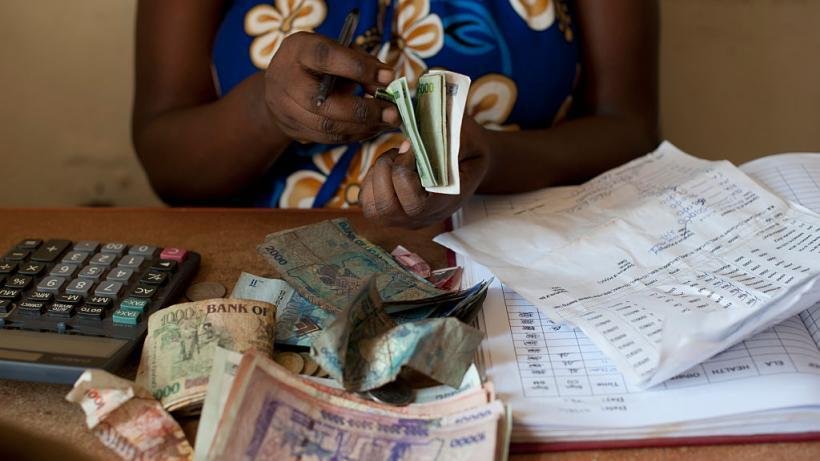
It almost always begins the same way. A whisper from a trusted friend, a screenshot of a mobile money payout on a WhatsApp status, or an influencer flaunting a sudden change in lifestyle. “Just deposit 50,000 shillings,” they urge. “You’ll double it in a week.” A trickle of deposits becomes a flood. Millions, then billions, of shillings pour into a shiny app or a well-furnished Kampala office. Then the website goes “down for maintenance,” admins disable comments, directors vanish, and the money is gone.
In Uganda, this cycle isn’t rare, it’s practically an annual event. And despite the wreckage left behind each time, a new scheme always rises to take the last one’s place, drawing in a fresh wave of hopeful investors who believe, this time, things will be different.
A Graveyard of Broken Dreams

Uganda’s history with these schemes stretches back more than two decades, and the formula never really changes: promise extraordinary returns, attract new investors, and collapse once the flow of fresh money slows.
COWE (2001–2006) posed as a charity for orphans, widows, and the elderly while promising monthly returns as high as 30–54%. Villagers, civil servants, and even police officers sold land and took out loans to invest. When it collapsed, billions vanished, leaving debt, ruin, and reportedly contributing to some suicides.
TelexFree (2013–2014), a Brazil-based recruitment scheme, drained an estimated 7 billion shillings from urban professionals before collapsing internationally. Dunamiscoins Resources (2019) rode the crypto wave, pulling in roughly 2,500 investors and 20 billion shillings before its promoters disappeared. BLQ Football (2022) dressed itself as an elite sports-betting platform with daily compounding returns, building exclusive VIP tiers before collapsing with an estimated 60 billion shillings lost. Capital Chicken (2023) swapped tech jargon for agriculture, offering 40–60% returns on poultry contracts, before its Kanjokya Street offices locked overnight with billions gone.
Today, regulators and police are chasing successors: Veta Plan, Cash Mula, PIYO Crypto, Contract Kapital. It’s proof the graveyard keeps expanding even as the headlines repeat almost word for word, decade after decade, victim after victim.
Why Doesn’t the Lesson Stick?
This is the real puzzle. Ugandans have heard the warnings. COWE, TelexFree, and BLQ Football were all major news events, with regulators publicly naming and shaming the culprits. Yet each new scheme finds thousands of fresh victims, often including people who watched a previous scheme collapse around them, sometimes even people who lost money once before and still returned to try again under a different name.
Each scam feels like a different opportunity. COWE was charity, TelexFree was telecoms, BLQ was sports betting, Capital Chicken was agriculture. Because the packaging keeps changing, people fail to recognize the repeated pattern. The mental red flag from the last scandal doesn’t fire, because this one “doesn’t look like that.” A victim who lost money to a fake charity may never connect the dots when a poultry investment scheme comes knocking years later, even though the underlying mathematics is identical.
“Every Ponzi scheme tells a different story, but the mathematics behind it never changes.”
Trust beats warnings. A government notice about fraud feels distant and abstract. A close friend’s mobile money payout feels real and immediate. Fraudsters manufacture early success stories deliberately, then let participants recruit their own family, church, and colleagues, turning trust itself into the marketing engine. By the time skepticism might normally kick in, the recruiter isn’t a stranger selling a product; it’s someone whose judgment you already respect.
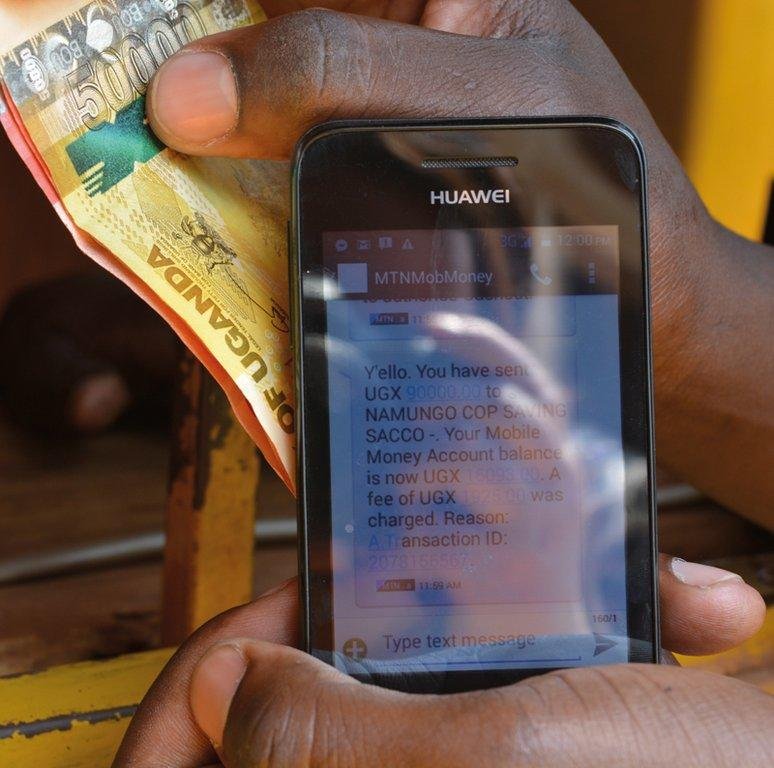
Economic pressure regenerates every year. Uganda’s youth unemployment and cost-of-living pressures don’t ease just because a previous scheme collapsed. Roughly seven in ten adult Ugandans run a monthly budget deficit, and confidence in long-term financial security remains low. A fresh pool of desperate investors appears regardless of what happened to others before them, because the underlying economic squeeze that made the last scheme appealing never actually went away.
Impunity kills the deterrent. When operators are rarely prosecuted or forced to repay victims, the story ends without consequence. The lesson isn’t “criminals get caught,” it’s “criminals rebrand and try again.” A scheme that collapses without arrests or restitution simply teaches future fraudsters that the risk-reward calculation still favors them.
Shame silences the most useful stories. Victims rarely discuss their losses publicly, which means the detailed, instructive accounts, the exact manipulation tactics, the moment doubt was dismissed, rarely circulate. What survives is just a headline number, not the psychological playbook that would help someone spot the next scheme in progress. The information that would actually protect people is precisely the information that stays buried in embarrassment.
Beyond Poverty
Poverty explains some of this, but not all of it. Teachers, bankers, lawyers, security officers, and diaspora professionals have lost just as badly as the unemployed. Uganda’s entrepreneurial “hustle culture” is weaponized by scammers, who dress theft in the language of crypto, forex, and agribusiness, making fraud sound indistinguishable from ambition. Many schemes also register real companies and rent respectable offices, making them visually indistinguishable from licensed firms until regulators intervene, by which point the money has usually already moved.
Breaking the Cycle
Uganda’s regulators, the Financial Intelligence Authority, Capital Markets Authority, and Bank of Uganda, keep calling for stronger legislation, but enforcement lags behind fraudsters who move funds offshore within days. Real change requires faster prosecutions and asset recovery, practical financial literacy that teaches why guaranteed high returns are mathematically impossible, stronger visibility for legitimate alternatives like regulated unit trusts and SACCOs, and less shame around victims speaking out so their experiences can warn others in real time.
Ugandans are not uniquely gullible. The stories exist, loudly and repeatedly, in the billions lost. What breaks down is the transfer from someone else’s story to your own decision-making, especially when the pitch is carefully disguised and delivered by someone you already trust. Until that gap closes, the same headline will keep writing itself, just with a new name at the top.
