
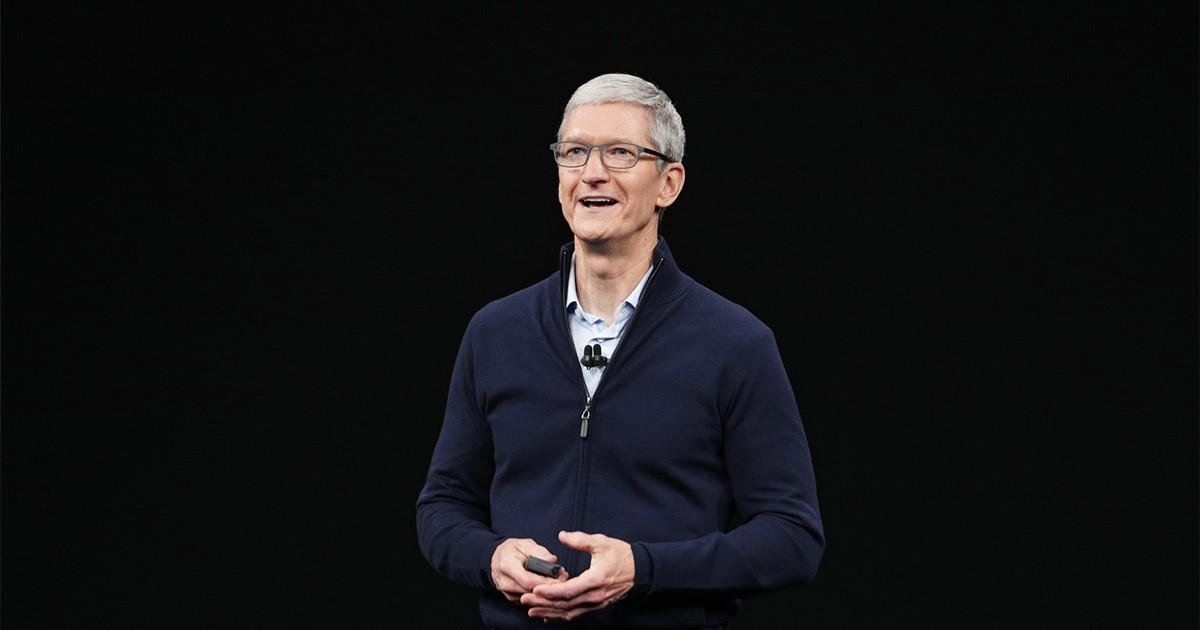
Tim Cook has completed his final day as chief executive of Apple, ending a 15-year tenure in which the company transformed from a roughly $350 billion technology giant into a company valued at more than $4 trillion.
Starting Tuesday, September 1, Apple’s hardware chief John Ternus will take over as CEO, while Cook moves to the role of executive chairman of the board. Apple announced the transition in April following a unanimous board approval and described it as the result of a long term succession plan.
Cook will remain involved in the company, with Apple saying he will assist with certain matters, including engagement with policymakers around the world. Arthur Levinson, who has served as Apple’s non-executive chairman for the past 15 years, will become lead independent director, while Ternus will join the board.
The End of the Cook Era
Cook became Apple CEO on August 24, 2011, after Steve Jobs stepped down because of declining health. Jobs died six weeks later, leaving Cook to prove that Apple could thrive without the founder whose personality and product instincts had become inseparable from the company.
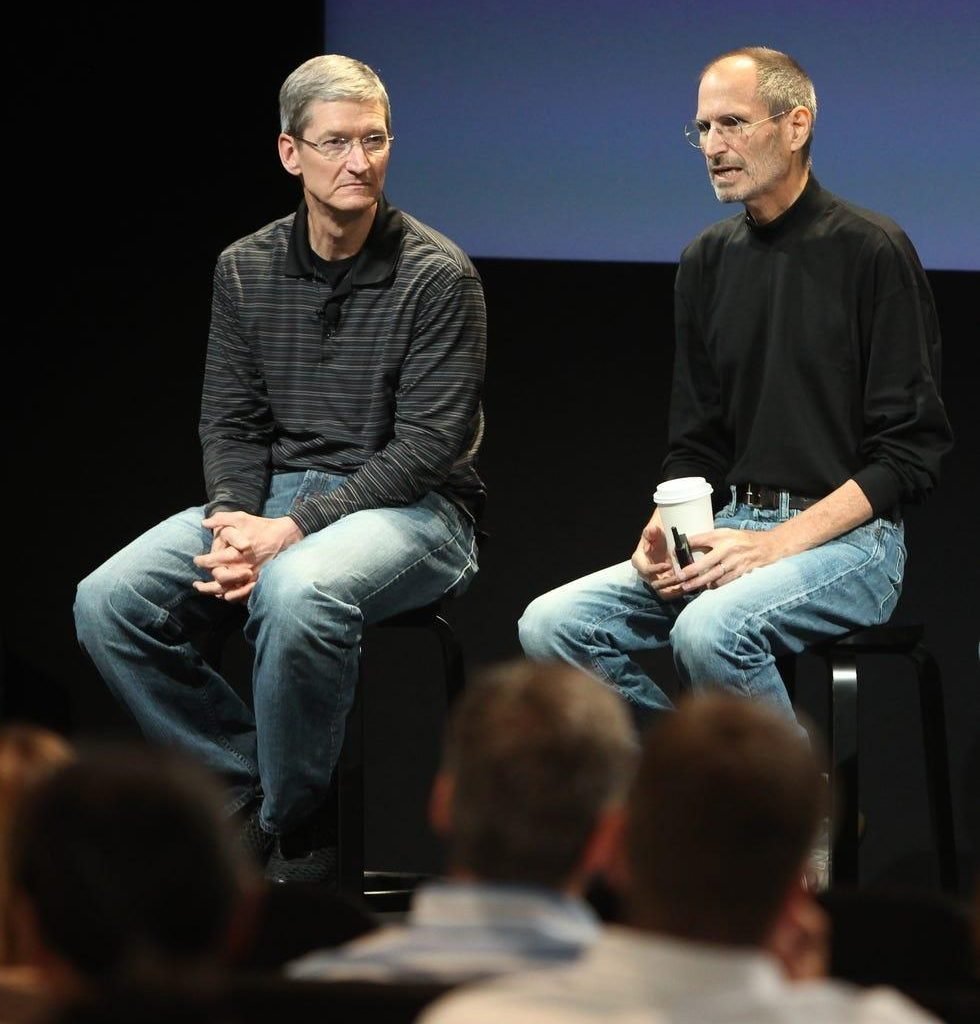
He did more than preserve Apple’s position.
During Cook’s tenure, Apple expanded its market value by more than tenfold, briefly surpassing $5 trillion in July 2026 before settling back below that level.
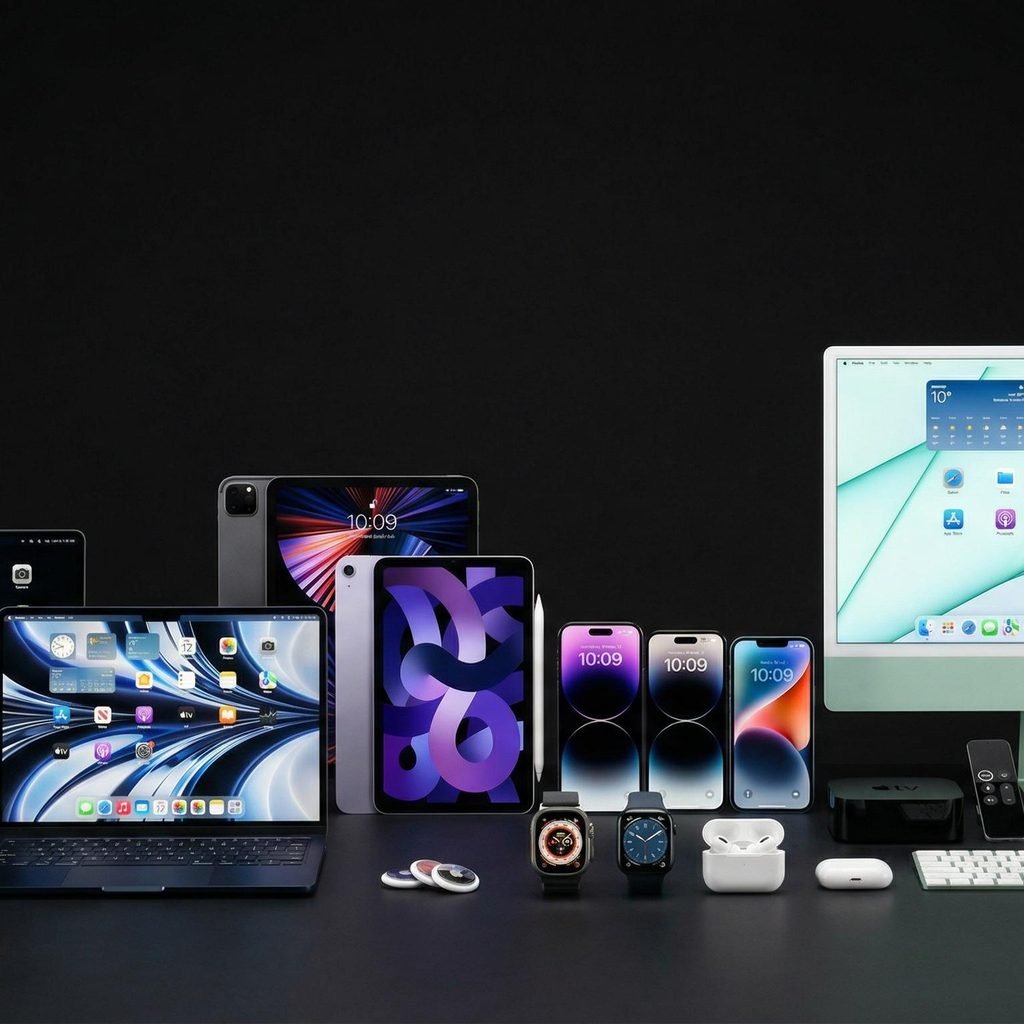
Apple also built a vast ecosystem of more than 2.5 billion active devices, while its Services business grew into a more than $100 billion a year operation encompassing businesses such as the App Store, Apple Music and Apple TV+.
The company returned hundreds of billions of dollars to shareholders through dividends and share repurchases, while expanding beyond the iPhone through products and services including the Apple Watch, AirPods, Apple Pay, Apple Music, Apple TV+, Vision Pro and Apple silicon.
The Operator Behind the Numbers
Cook’s transformation of Apple began long before he occupied the CEO’s office.
Born in Mobile, Alabama, and raised in Robertsdale, Cook studied industrial engineering at Auburn University before earning an MBA from Duke University. He spent 12 years at IBM, eventually becoming director of North American fulfillment for its Personal Computer Company, before holding executive positions at Intelligent Electronics and Compaq.
It was at Compaq in 1998 that Steve Jobs approached him about joining Apple.
Cook initially had little reason to abandon a stable executive career for a company whose future looked uncertain. Apple was losing money and market share, and its prospects were sufficiently bleak that Dell CEO Michael Dell once suggested that the company should be shut down and its remaining cash returned to shareholders.
Cook nevertheless accepted Jobs’ offer. The decision would define his career.
Building the Machine Behind Apple’s Products
As Apple’s senior vice president for worldwide operations, Cook attacked the company’s manufacturing and inventory problems.
He closed Apple-owned factories and warehouses and shifted production toward contract manufacturers, while dramatically reducing the amount of inventory Apple held. The strategy gave Apple greater flexibility and helped create the supply-chain system that would later support the enormous global launches of the iPod, iPhone and iPad.
That distinction became central to Cook’s leadership style.
Jobs supplied the product vision. Cook built the operational machine capable of delivering that vision at unprecedented scale.
As CEO, he extended that philosophy into capital allocation, manufacturing, services and the development of Apple’s own semiconductor technology.
A Company Built to Outlive Its Founder
Cook’s most consequential achievement may not be any individual product.
It was demonstrating that Apple could become an institution rather than remain dependent on its founder.
Under his leadership, Apple expanded its business beyond hardware and built recurring revenue around its enormous installed base. The transition of the Mac from Intel processors to Apple’s own silicon further strengthened the company’s control over its products, while wearables and services created new sources of growth.
The financial results tell the broader story: Apple went from a market capitalization of about $350 billion when Cook became CEO to more than $4 trillion today, with the company briefly crossing $5 trillion in July.
Yet Cook’s record also leaves his successor with difficult questions.
Apple faces continuing regulatory scrutiny, dependence on complex global supply chains and intense competition in artificial intelligence. The company has increasingly relied on outside partners as it works to strengthen its AI capabilities, while investors expect the next generation of products to demonstrate that Apple can still create major new categories.
Ternus Takes Over
Ternus, who joined Apple in 2001 and became senior vice president of Hardware Engineering in 2021, now inherits a company at the height of its financial power but at a potentially important technological crossroads.
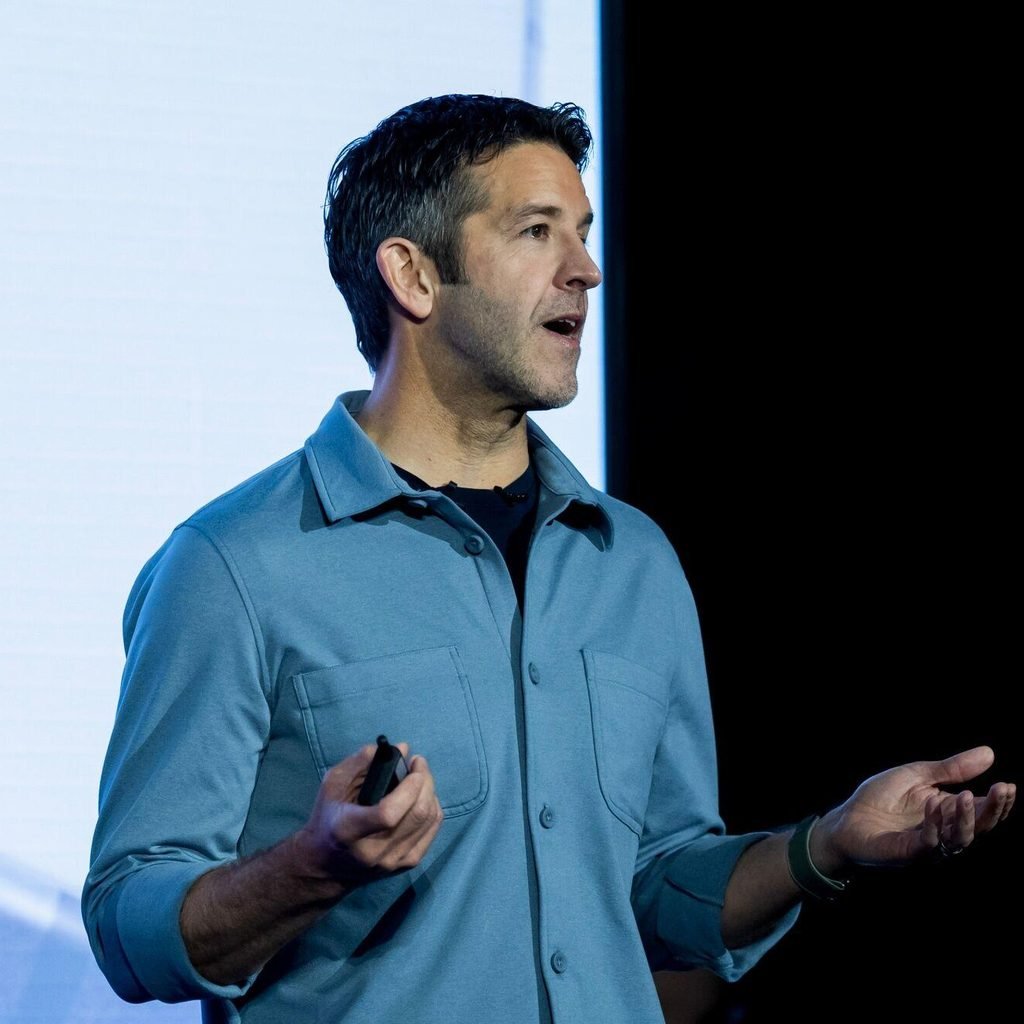
His first major test will arrive quickly. Apple is scheduled to hold its next major product event on September 9, just eight days after Ternus becomes CEO, with expectations centered on the next iPhone generation and potentially Apple’s first foldable iPhone.
For Cook, the handover marks the end of the day-to-day role he held for 15 years.
For Apple, it marks something more significant: the beginning of its first CEO era since Jobs in which the company is no longer led by either of the two executives most responsible for defining modern Apple.
Cook leaves behind a company vastly larger than the one he inherited.
The test now is whether the operational discipline that defined his era can give Ternus the foundation to build Apple’s next one.
