
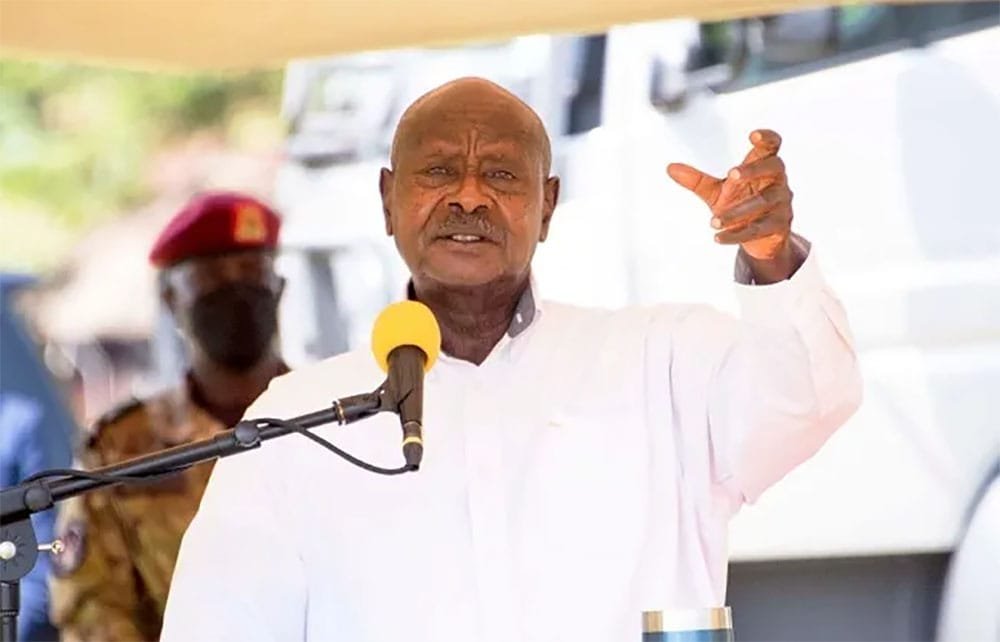
President Yoweri Kaguta Museveni has returned two key tax amendment bills to Parliament, setting the stage for fresh debate over how Uganda should balance revenue mobilisation, economic growth, and environmental sustainability.
The President declined to assent to the Income Tax (Amendment) Bill, 2026 and the Excise Duty (Amendment) Bill, 2026, arguing that while both bills pursue legitimate policy objectives, aspects of their implementation could create unintended economic consequences. His decision sends lawmakers back to the drawing board just weeks into the 2026/2027 financial year.
At the heart of the debate are two very different policy questions. One concerns fairness in the taxation of Uganda’s rapidly growing gaming industry. The other examines how aggressively the country should tax single-use plastics without undermining local manufacturing.
A Question of Tax Fairness
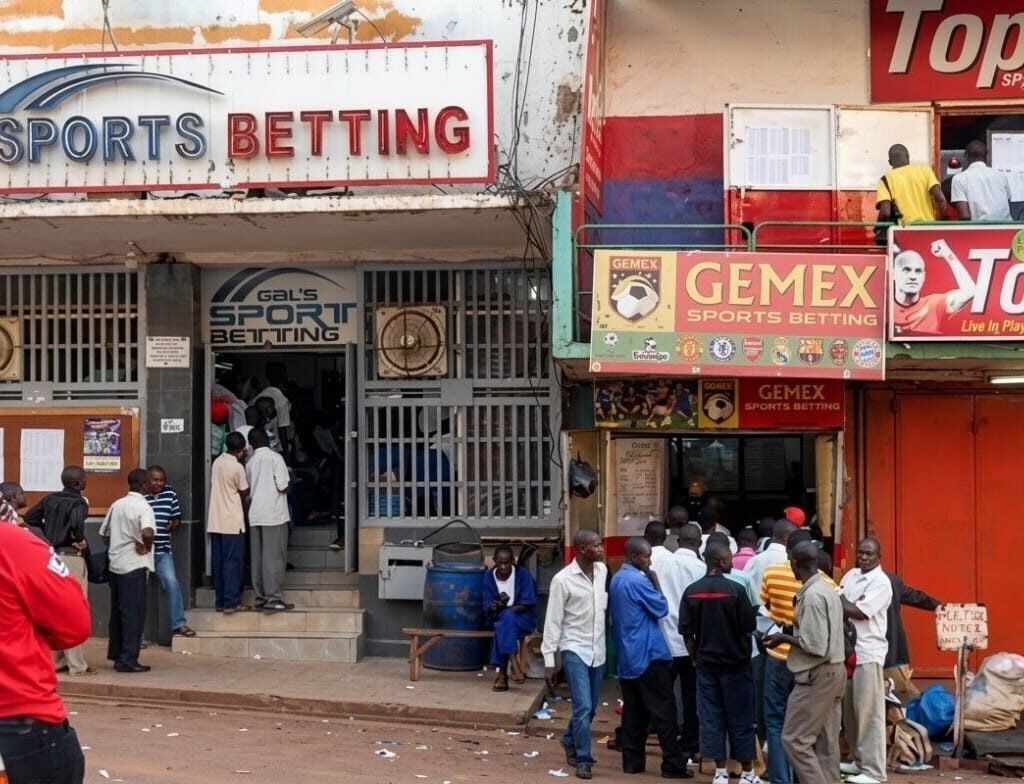
The Income Tax (Amendment) Bill proposed introducing a 15% withholding tax on players’ net winnings from betting and gaming activities. However, Parliament also proposed exempting winnings earned from licensed land-based casinos.
President Museveni objected to this distinction, arguing that businesses engaged in similar commercial activities should not be subject to different tax treatment.
“There is no justification for exempting one category while taxing the other.”
According to the President, exempting land-based casinos would create an uneven playing field while opening opportunities for tax avoidance. Operators could restructure their businesses or route transactions through exempt casinos to reduce their tax liability, ultimately weakening government revenue collection instead of strengthening it.
The issue reflects a fundamental principle of taxation: neutrality. Tax systems work best when they treat comparable businesses equally, limiting market distortions and discouraging companies from making commercial decisions based primarily on tax advantages.
The Plastic Tax Debate

The second bill focused on environmental policy.
Parliament proposed increasing excise duty on single-use plastics from 2.5% (or US$70 per tonne) to 25% (or US$1,500 per tonne) while extending the levy to a broader range of disposable plastic products.
The objective was clear. Higher taxes would discourage the production and use of single-use plastics, reduce pollution, and accelerate Uganda’s transition toward environmentally sustainable packaging.
While supporting environmental protection, President Museveni argued that the proposed increase was too abrupt.
Uganda’s manufacturing sector, he noted, still depends heavily on conventional plastic packaging because affordable and commercially viable alternatives remain limited. Imposing such a significant tax increase without sufficient transition time could substantially raise production costs for local manufacturers.
The consequences could extend beyond the plastics industry. Food processors, beverage companies, pharmaceutical manufacturers, and consumer goods producers all rely on plastic packaging. Higher production costs could translate into increased consumer prices, reduced competitiveness, slower investment, and potential job losses.
Rather than driving a smooth environmental transition, the President warned that the proposal could place unnecessary strain on an important segment of Uganda’s industrial base.
More Than Two Bills
Although the debate centres on gaming and plastics, the issues raised have much broader implications for Uganda’s fiscal policy.
Governments increasingly rely on tax reforms to finance infrastructure, public services, and economic development while pursuing wider policy goals such as environmental protection and responsible business practices.
However, effective taxation requires more than simply increasing rates or introducing new levies.
Taxes must also be practical to administer, fair to taxpayers, and designed in ways that minimise unintended economic distortions.
In the gaming sector, an exemption for one category of operators risks reducing rather than increasing revenue if businesses restructure to exploit the preferential treatment.
Similarly, environmental taxes introduced before industries are ready to adapt may weaken domestic production without achieving meaningful environmental gains.
The President’s objections therefore focus less on the policy objectives themselves than on whether the proposed mechanisms are capable of delivering those objectives efficiently.
Implications for Business
The President’s decision creates short-term uncertainty for businesses operating in both sectors.
Gaming operators will closely monitor whether Parliament removes the proposed exemption for land-based casinos or adopts a different taxation model altogether.
Manufacturers, particularly those dependent on plastic packaging, will be watching for signs that lawmakers may introduce a phased increase in excise duty rather than an immediate jump.
For investors, policy certainty remains essential. Predictable tax rules enable businesses to make investment decisions, plan production, and manage compliance with greater confidence.
Although temporary uncertainty is unavoidable during the legislative process, a carefully revised framework could ultimately provide greater stability than implementing poorly designed measures that require future correction.
What Happens Next?
The President’s refusal to assent does not end the legislative process.
Both bills now return to Parliament, where the Committee on Finance, Planning and Economic Development is expected to review the President’s observations and consult affected stakeholders before recommending amendments.
A likely compromise on the gaming bill would involve applying withholding tax uniformly across all gaming operators, eliminating opportunities for unequal treatment.
For the plastics levy, Parliament may consider introducing a phased implementation schedule that gradually increases excise duty while giving manufacturers time to invest in environmentally sustainable alternatives.
Once amended, the bills will return to Parliament for approval before being resubmitted to the President for assent.
The Bigger Picture
The return of these two bills illustrates the delicate balancing act facing policymakers.
Uganda must continue expanding domestic revenue to finance development priorities while ensuring that tax policy supports investment, industrialisation, and long-term economic competitiveness. At the same time, environmental sustainability has become an increasingly important policy objective that cannot be ignored.
Finding the right balance will require carefully designed legislation that raises revenue without creating avoidable loopholes, promotes environmental responsibility without imposing excessive costs on industry, and provides businesses with the certainty needed to invest and grow.
As Parliament revisits the two bills, the outcome will serve as an important test of Uganda’s approach to fiscal policymaking. The decisions lawmakers make will not only determine the future of gaming taxation and plastic excise duty but also signal how the country intends to balance economic growth, environmental stewardship, and sound public finance in the years ahead.
