
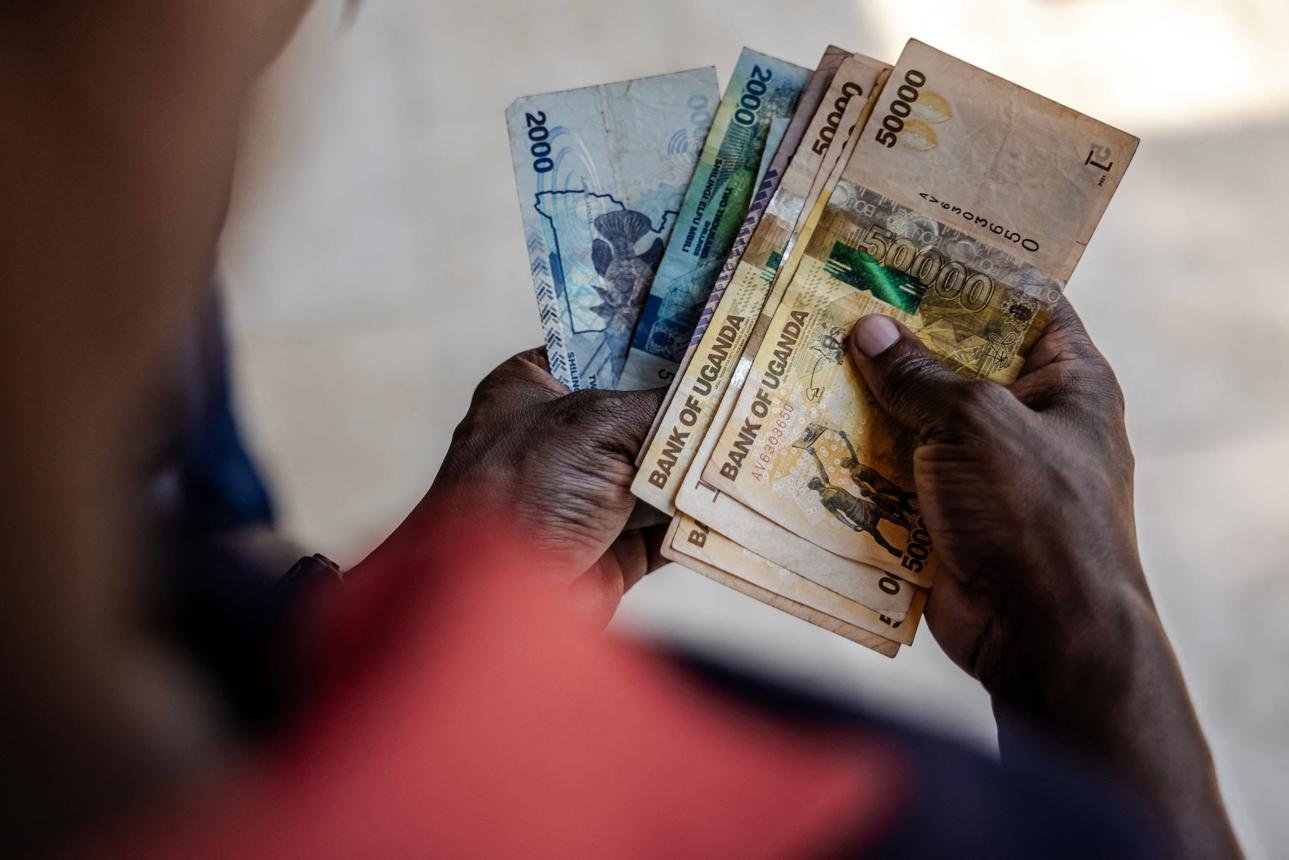
Uganda’s latest macroeconomic data presents a mixed picture: the trade deficit is widening and the shilling is under pressure, but stronger credit growth, rising reserves and continued economic activity are giving the economy room to absorb the shock.
Every month, the Bank of Uganda publishes a dense table of macroeconomic indicators that can easily disappear into the noise of economic reporting. Look more closely, however, and the latest figures tell a much more revealing story.
Five numbers stand out: a US$597.9 million trade deficit, a 2.4 percent monthly depreciation of the shilling, 16.6 percent annual growth in private-sector credit, US$6.69 billion in foreign-exchange reserves, and a 55.7 business confidence index.
Together, they describe an economy under pressure, but not an economy in distress. The story is less about one alarming number than about the tension between rising external pressures and the buffers helping Uganda manage them.
1. The trade deficit has widened sharply
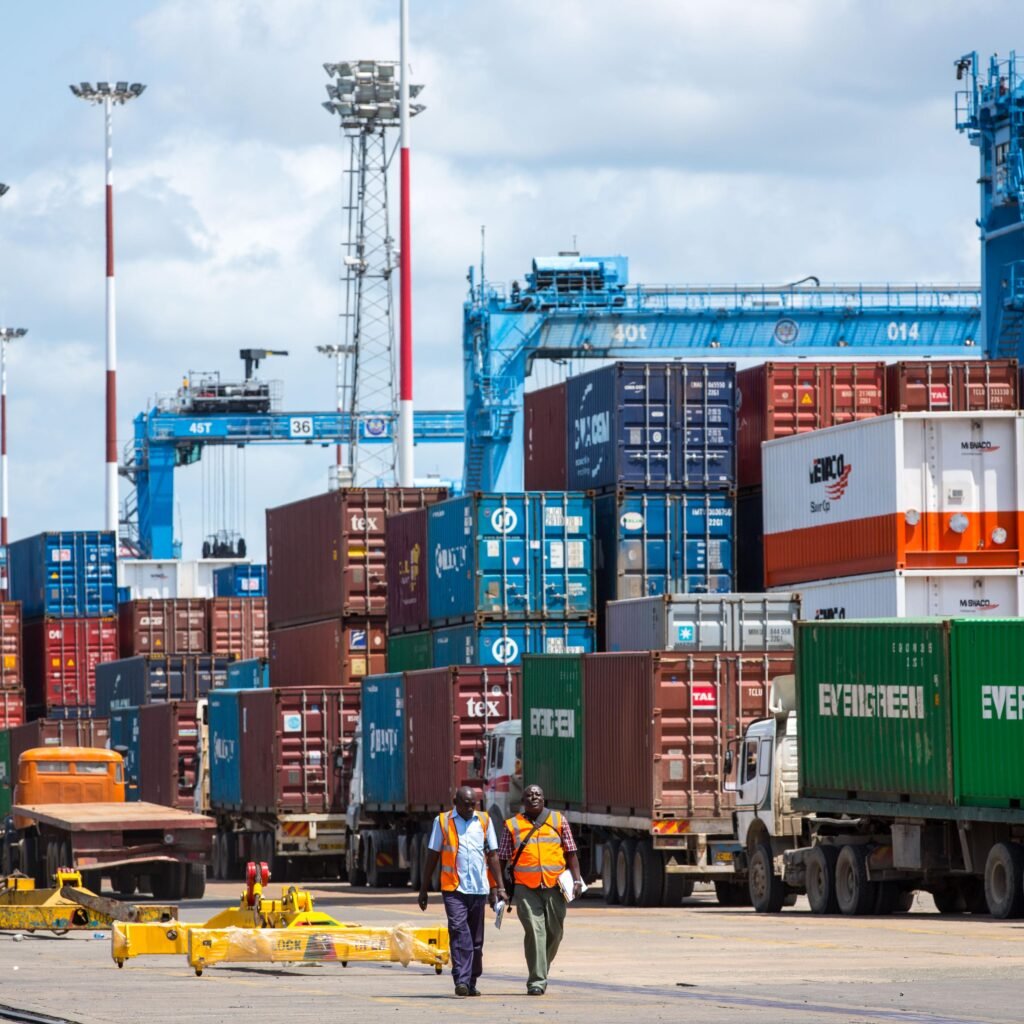
Uganda recorded a trade deficit of about US$597.9 million in July, compared with US$124.1 million in May. That means the gap between what Uganda spent on imports and what it earned from exports widened dramatically in a matter of weeks.
Trade deficits are not unusual for an economy such as Uganda’s, which relies heavily on imported fuel, machinery, equipment and manufactured goods. The concern is the pace at which the deficit has expanded.
A larger import bill means Ugandan businesses and consumers need more foreign currency to pay overseas suppliers. That increases demand for dollars and can put downward pressure on the shilling.
The consequences do not stop at the border.
When imported fuel, machinery, construction materials, packaging and other inputs become more expensive in shilling terms, businesses face higher operating costs. Those costs can eventually feed into the prices paid by consumers.
The trade deficit, therefore, is not simply an external-sector statistic. It can become a pressure point for prices across the economy.
2. The shilling is losing ground
The currency data reinforces that concern.
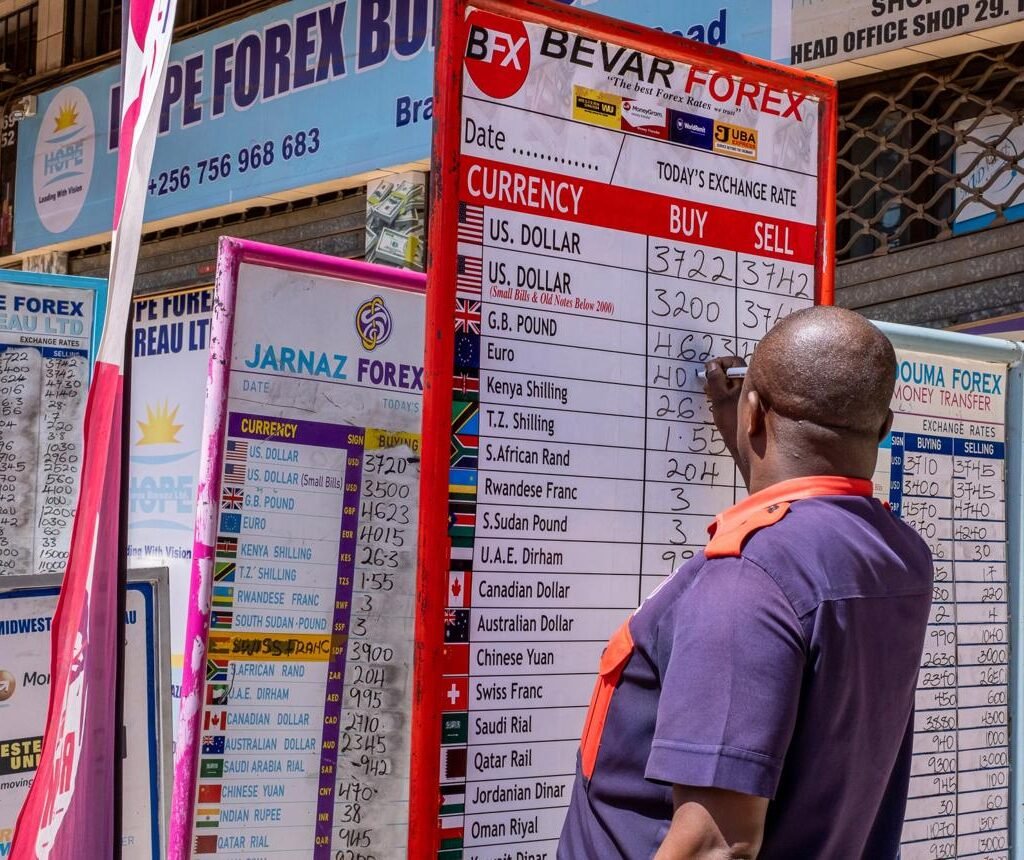
The shilling’s end-period exchange rate moved from about Shs3,665 to the US dollar in June to Shs3,752 in July, representing a depreciation of roughly 2.4 percent in one month.
For a currency that has generally traded within a relatively stable range, that is a significant movement.
The importance of the exchange rate is straightforward: Uganda buys many essential goods in dollars but earns much of its domestic revenue in shillings.
When the shilling weakens, the local-currency cost of those imports rises.
Fuel provides the clearest example. Even if the international price of crude oil remains unchanged, a weaker shilling can increase the amount Ugandans pay for imported petroleum products.
That higher fuel cost then spreads through the economy.
Transport becomes more expensive. Moving food from farms to markets costs more. Businesses pay more to move goods. Manufacturers face higher input costs. Consumers ultimately encounter some of those increases in the prices of everyday products.
For companies dependent on imported inputs, currency movements can therefore be as important as changes in their sales.
3. Private-sector credit is growing rapidly
The picture becomes more encouraging when the focus shifts from external pressures to domestic economic activity.
Private-sector credit rose from Shs26.683 trillion in July 2025 to Shs31.107 trillion in July 2026, representing growth of about 16.6 percent over the year.
At the same time, average lending rates fell from 19.6 percent to 18.0 percent.
That combination matters. Banks are lending more, while the cost of borrowing has declined.
For businesses, cheaper credit can provide room to purchase equipment, expand operations, increase inventories or finance new projects. For households, access to credit can support spending on education, housing and other major expenses.
Credit growth can also reinforce economic growth because borrowing allows businesses to invest before they have accumulated all the cash required to do so.
But the quality of that credit matters.
If borrowing is financing productive investment, it can strengthen future economic output. If it is increasingly financing consumption without corresponding increases in productive capacity, the economy can become more vulnerable when interest rates rise or incomes weaken.
For now, however, the direction is broadly positive.
4. Foreign-exchange reserves have built a significant cushion
Perhaps the most important number for understanding why the current pressures have not become a much larger crisis is US$6.69 billion.
That is the level of Uganda’s gross foreign-exchange reserves in July, up from about US$4.58 billion a year earlier.

The increase has pushed import cover to approximately 3.7 months. Foreign exchange reserves are effectively a financial buffer.
They give the central bank capacity to meet foreign-currency obligations, support orderly functioning of the foreign-exchange market and provide reassurance that the country can continue paying for essential imports during periods of external pressure.
This matters because the latest data contains an apparent contradiction.
Uganda’s trade deficit is widening. The shilling is weakening. Yet reserves are substantially higher than they were a year ago.
That cushion gives policymakers more room to respond to currency and external-sector pressures without being forced into an immediate and aggressive policy response.
For businesses, reserves also provide a degree of confidence.
A company planning an imported shipment, pricing a contract or budgeting for foreign-currency payments is operating in a less vulnerable environment when the country’s reserve position is relatively strong.
5. Businesses are cautious, not collapsing
The final number provides a useful measure of sentiment.
Uganda’s Business Confidence Index stood at 55.7 in July, broadly stable compared with 56.7 in December, although below the 58.9 recorded in September 2025.
That suggests businesses are neither overwhelmingly optimistic nor deeply pessimistic.
The broader economic activity picture is somewhat more encouraging. The Composite Index of Economic Activity increased by 1.7 percent in July, returning to positive territory after weaker performance earlier in the year.
This is important because business confidence often captures what official economic statistics cannot immediately show: how companies perceive demand, costs, financing conditions and the outlook ahead.
The latest reading suggests caution rather than panic.
Businesses are seeing higher costs and currency uncertainty, but they are also operating in an environment of stronger credit availability, rising reserves and continued economic expansion.
What the five numbers say together
The most useful way to read these figures is not individually but as a single economic story.
The external side of Uganda’s economy is under pressure. Imports are significantly outpacing exports, while the shilling has weakened against the dollar. That combination can increase the local cost of fuel and other imported goods and put additional pressure on businesses and households.
But the domestic financial system is providing support. Private-sector credit is expanding at a double-digit rate, lending rates have fallen and economic activity has returned to positive territory.
And the country has a stronger reserve cushion than it had a year ago. That gives the Bank of Uganda greater room to manage external shocks and reduces the likelihood that a period of currency pressure automatically turns into a broader financial crisis.
The result is an economy that is best described as resilient but increasingly pressured.
For households, that means fuel, transport and imported goods remain areas to watch closely.
For businesses, particularly those dependent on imported inputs, exchange-rate risk deserves greater attention when setting prices, negotiating contracts and forecasting costs.
For policymakers, the challenge is to prevent temporary external pressures from becoming entrenched inflation while preserving the credit growth and investment needed to sustain economic expansion.
The numbers do not point to an economy falling apart. They point to an economy being tested.
And for now, Uganda has enough buffers to absorb the pressure. The question is whether those buffers remain strong enough if the trade imbalance and currency weakness persist.
