
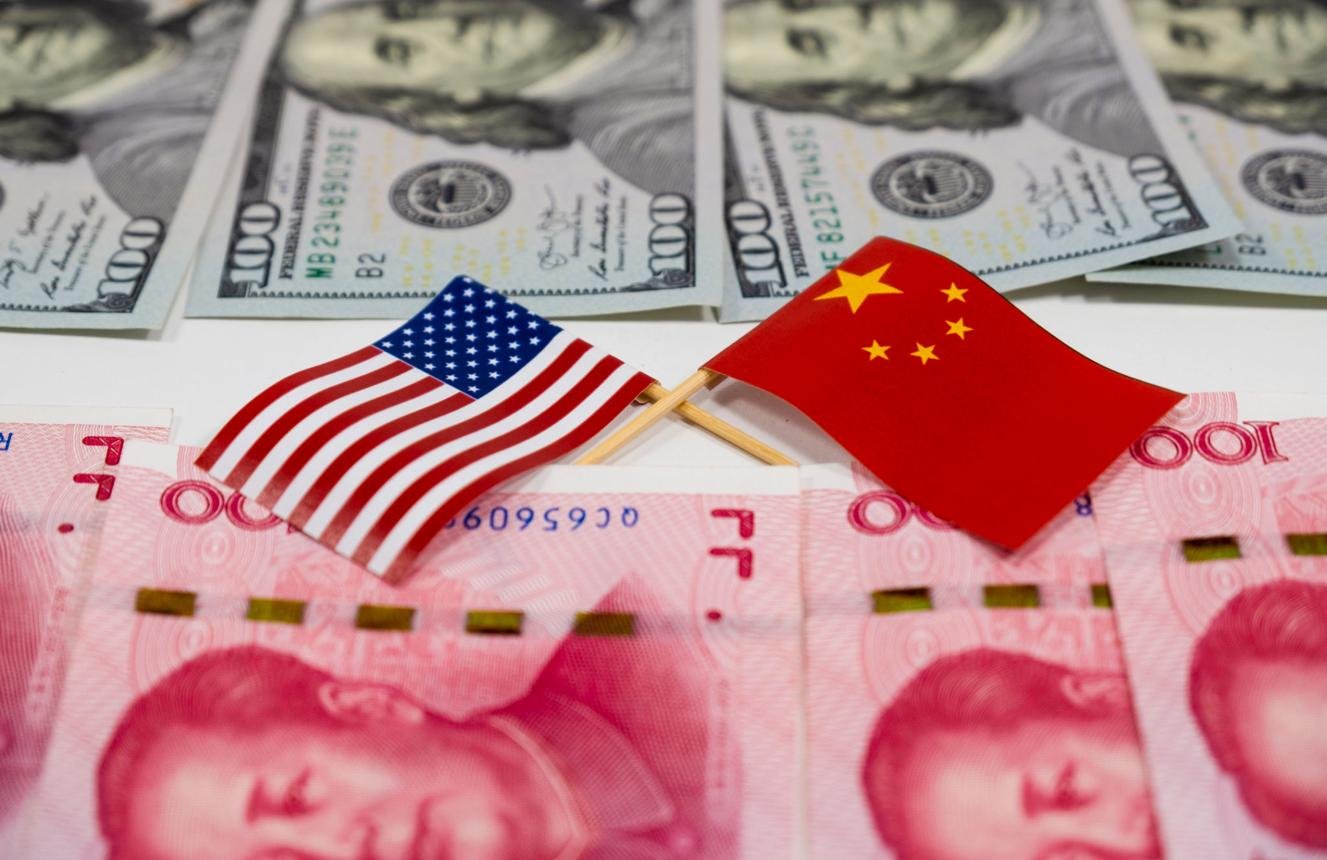
For decades, the US dollar has been the default currency of international trade. Oil is priced in dollars, central banks hold dollar reserves, and businesses in countries such as Uganda often use the dollar when paying suppliers in China, even when neither side is American.
That system is not disappearing. But it is changing.
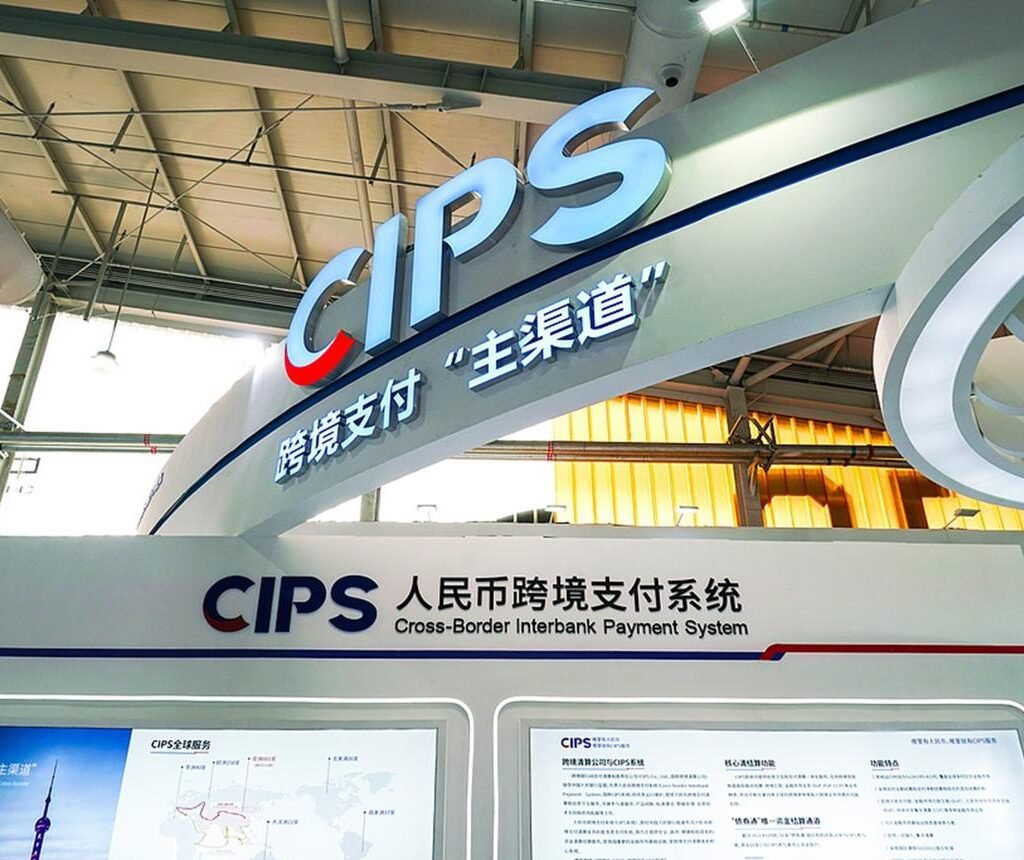
China’s Cross-Border Interbank Payment System, known as CIPS, is becoming part of a broader global effort to create alternatives to dollar-based payments. In March 2026, CIPS recorded a daily record of $178.5 billion in transactions across nearly 42,000 payments, highlighting the growing scale of China’s yuan-based financial infrastructure.
The number is significant not because CIPS has overtaken the dollar, but because it shows that countries and businesses increasingly have another option.
Building an Alternative
China launched CIPS in 2015 to support international payments directly in renminbi, reducing the need for transactions to pass through dollar-based systems.
Its network has expanded rapidly. By the end of 2025, CIPS had 193 direct participants and 1,573 indirect participants, with connections to more than 4,900 banking institutions across 189 countries and regions.
China has also continued to strengthen the system. In February 2026, it introduced a major update to CIPS business rules, moving the platform toward greater multi-currency settlement.
The broader objective is clear: China wants financial infrastructure that is more independent and resilient, particularly as geopolitical tensions increase.
Why Countries Are Looking for Alternatives
The shift is not driven by one factor.
The use of financial sanctions following Russia’s invasion of Ukraine in 2022 reminded governments that access to the international financial system can become a geopolitical vulnerability. The exclusion of some Russian banks from SWIFT demonstrated how financial infrastructure can become part of economic statecraft.
For some countries, that has increased interest in alternative payment channels.
But politics is only part of the story.
Businesses also have practical reasons to diversify their payment options. If a Ugandan importer is buying goods from China and the supplier prices those goods in yuan, paying directly in yuan can reduce the number of currency conversions involved in the transaction.
Fewer conversions can mean simpler payment management, while allowing businesses to manage their exposure to exchange-rate movements more directly.
In other words, the growth of CIPS is not necessarily about countries abandoning the dollar. In many cases, it is about businesses having another route when it makes commercial sense.
The Dollar Is Still Dominant
The biggest mistake would be to interpret the growth of CIPS as evidence that the dollar is about to disappear from global trade.
It is not.
The dollar remains the world’s dominant reserve and trading currency. It accounted for about 57% of global foreign-exchange reserves and was involved in roughly 89% of foreign-exchange transactions in early 2026.
Even CIPS remains connected to the existing global financial system. More than 80% of its transactions rely on SWIFT’s messaging infrastructure.
That makes the relationship between the two systems more complicated than a simple contest between an old system and a new one.
The more accurate description is diversification.
Countries and companies are building additional options rather than immediately abandoning the dollar.
What It Means for Uganda
For Uganda, the issue is particularly relevant because of the country’s growing trade relationship with China.
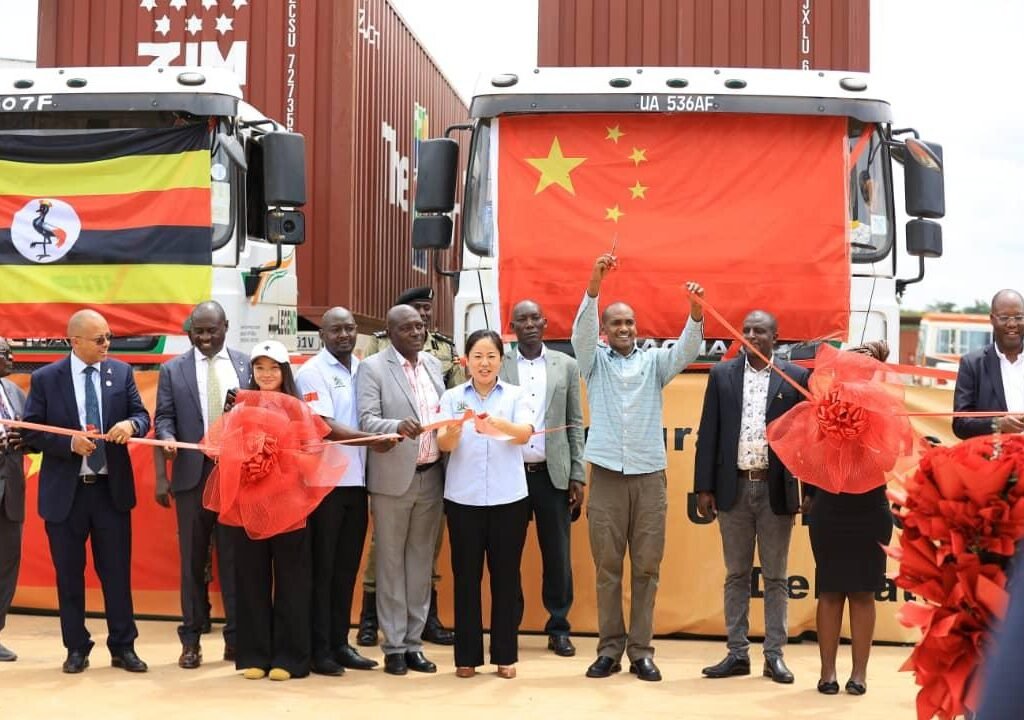
Uganda imports far more from China than it exports. In such a relationship, easier yuan payments could make it simpler for local businesses to purchase Chinese machinery, vehicles, electronics, industrial equipment and consumer goods.
That could reduce some transaction friction. But there is also a bigger risk.
If payment becomes easier while Ugandan exports remain weak, improved financial infrastructure could simply make it easier to import more.
That is why Uganda’s challenge is not only about how it pays China. It is about what it sells to China.
Uganda has opportunities in agriculture, processed foods, minerals and manufactured products. But accessing the Chinese market at scale requires competitive pricing, consistent quality, reliable supply and greater value addition.
The financial connection can help, but it cannot create those capabilities on its own.
A Different Kind of Global Shift
The global financial system is therefore not moving from dollar to yuan in one dramatic switch.
It is becoming more fragmented.
The dollar remains the dominant currency, but countries are increasingly interested in having alternatives. China is building the infrastructure to support its currency internationally, while businesses are looking for payment systems that can reduce costs, currency exposure and dependence on a single financial route.
For Uganda, the opportunity is straightforward.
A stronger yuan payment channel could make trade with China easier. But easier payments are only valuable if they support a stronger trading relationship.
The real test will not be how much easier Uganda becomes at paying China. It will be whether Uganda becomes better at earning from China.
The global payment system may be developing more routes. Uganda’s challenge is making sure more of those routes carry Ugandan goods in the opposite direction.
