
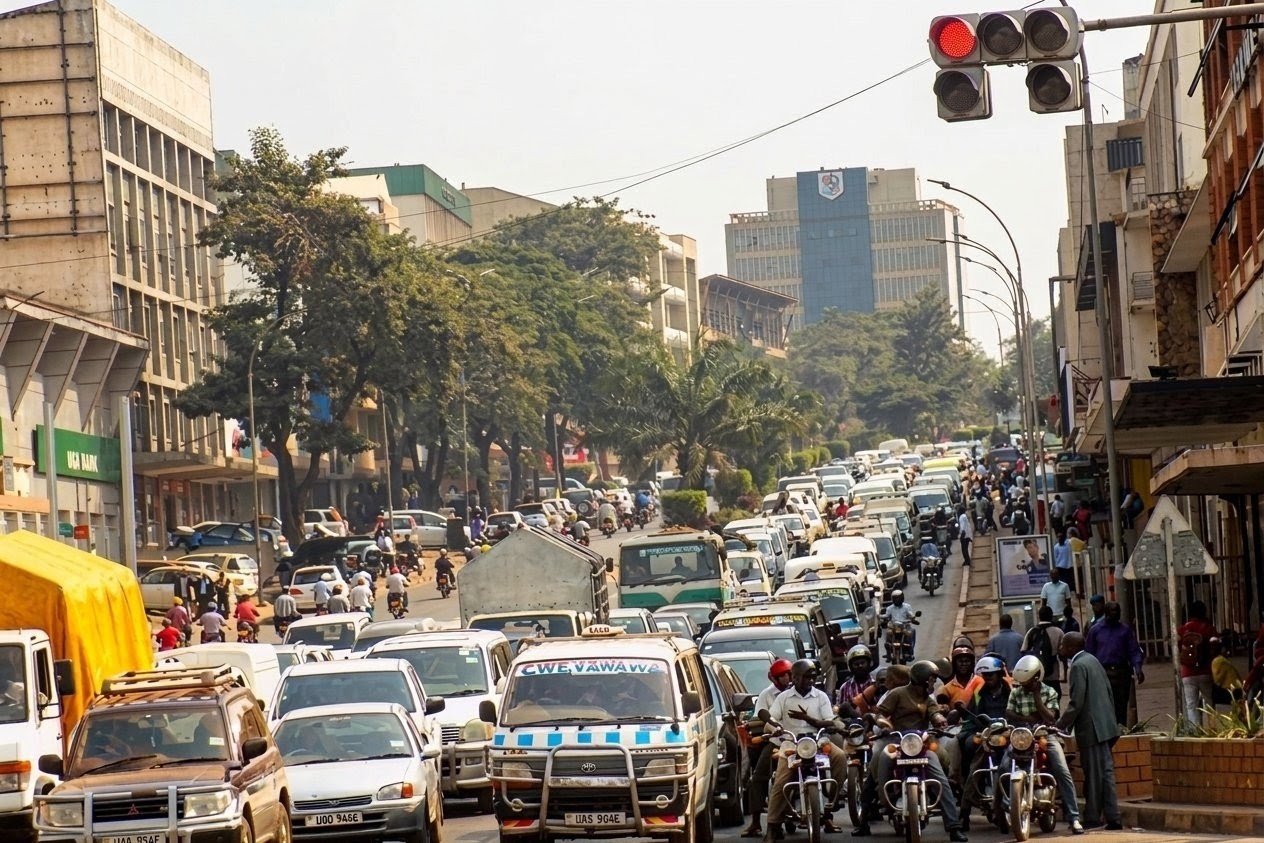
Every Ugandan has heard the joke, and most have made it themselves. Someone says they will arrive at 2pm, and everyone around them silently recalculates that to mean 3, maybe 3:30. It has a name now, “Ugandan time,” and it has become such a running joke that people apologize for it before they even leave the house.
But is this really a character flaw, a cultural habit of not respecting other people’s time, or is something else going on that has very little to do with attitude and everything to do with what is actually happening on the road, and in the wallets of the businesses that depend on that road?
The Easy Explanation
The easy explanation is culture. People say Ugandans are relaxed about time, that punctuality was never deeply built into the social fabric the way it is in some other places, and that showing up late is simply accepted and even expected. There is some truth in this on a social level. Nobody is shocked when a friend arrives forty minutes after the agreed time for a casual meetup, and very few people apologize dramatically for it. It has become normalized.
But this explanation falls apart the moment you look at what actually happens to people trying to get from one side of Kampala to the other on an ordinary weekday. It stops looking like a personality trait and starts looking like a survival response to something structural.
The Ten Minute Drive That Becomes an Hour
Here is the reality many Kampala residents live with daily. A trip that should take ten minutes on an open road, say from Ntinda to Kamwokya, or Kabalagala to Bugolobi, can stretch into a full hour once you add rush hour traffic, roadworks, boda bodas weaving through gaps, and vehicles fighting for space on roads that were never built to carry this many cars.
This is not an exaggeration. Studies looking at Kampala’s traffic have found that average travel speeds sit around 25 to 28 kilometers an hour when roads are clear, but drop to somewhere between 8 and 14 kilometers an hour once congestion sets in, barely faster than a brisk bicycle ride. Travelers lose somewhere between 8 and 23 hours every month sitting in traffic, and some estimates put the cost to the national economy at over 50 billion shillings a year in lost productive time alone.
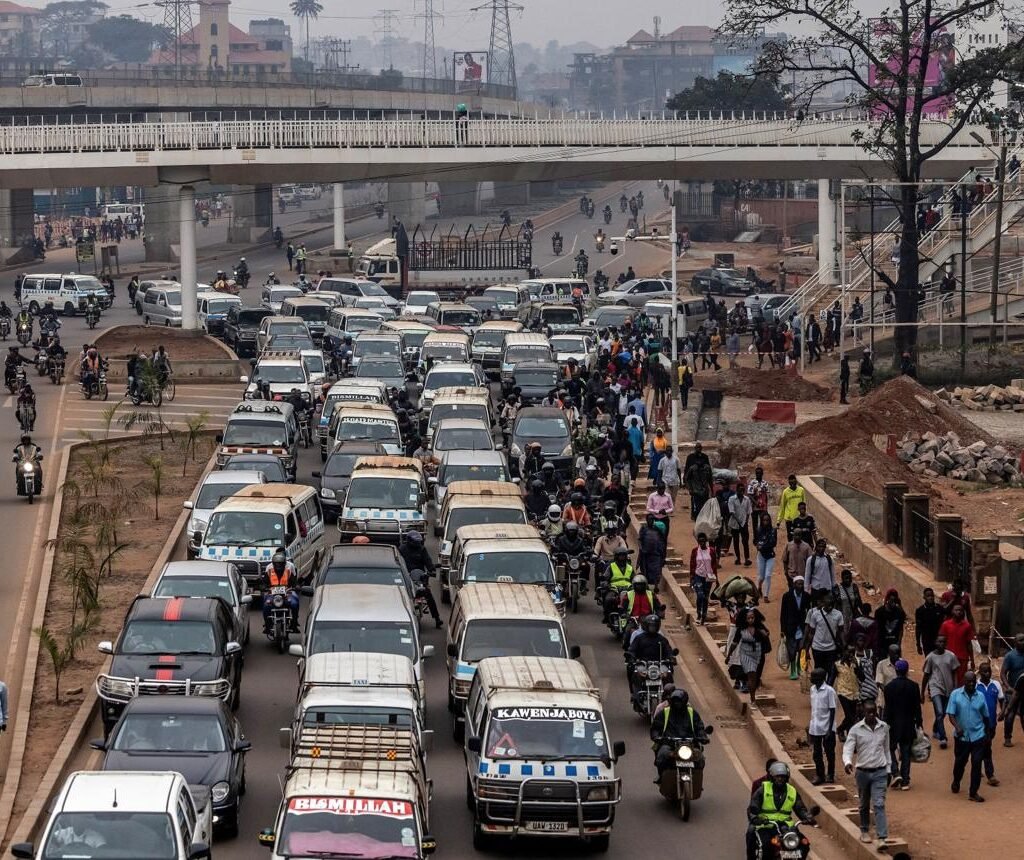
Morning and Evening, When Everything Collapses at Once
The problem concentrates hard around two windows, the early morning rush when the entire city is trying to get to work or school, and the evening rush when everyone is trying to get home. Thousands of cars, taxis, and boda bodas converge onto the same handful of major roads within the same two hour stretch, twice a day, on a network where the number of vehicles has more than tripled over the last two decades while the roads themselves have barely expanded.
The Business Angle: Who Actually Pays for This
The 50 billion shilling figure is not an abstraction. It shows up in very specific ways for very specific people. For businesses, lost time on the road means lost billable hours, missed meetings, delayed deliveries, and staff who arrive frazzled and unproductive after fighting traffic instead of preparing for the day ahead. A sales rep stuck for an hour on Jinja Road is an hour not spent closing deals. A courier stuck in the same jam means a client waiting on stock that should already be on the shelf.
Fuel costs climb too. Vehicles crawling at 8 kilometers an hour burn far more fuel per kilometer than vehicles moving freely, and that extra cost gets passed down the chain, into transport fares, into the price of goods moved by truck, into the final price a customer pays in the market. Small businesses that depend on quick turnaround, food vendors, boda riders, delivery services, feel this most acutely because their margins are thinnest and their time is their main asset.
There is also a hiring and scheduling cost that rarely gets discussed. Employers in Kampala often build extra buffer into meeting times, shift start times, and delivery windows simply because nobody can promise exactly when a person or a shipment will arrive. That buffer is dead time on a company’s books, multiplied across every employee, every day, every year.
So Is It People, Culture, or Infrastructure?
The honest answer is a mix, but not in equal measure. There is a driving culture problem, undisciplined lane changing, cars blocking junctions, taxis stopping wherever they please, and general disregard for rules, all of which make jams worse than they need to be.
But underneath that sits a bigger, harder problem, and it is physical. Kampala has roughly 2,100 kilometers of roads, and only around 770 kilometers of that is paved. Road construction has not kept pace with vehicle numbers or population growth. Add ongoing roadworks, which narrow roads and reroute traffic while underway, and even a well planned trip can be derailed by something completely outside the traveler’s control.
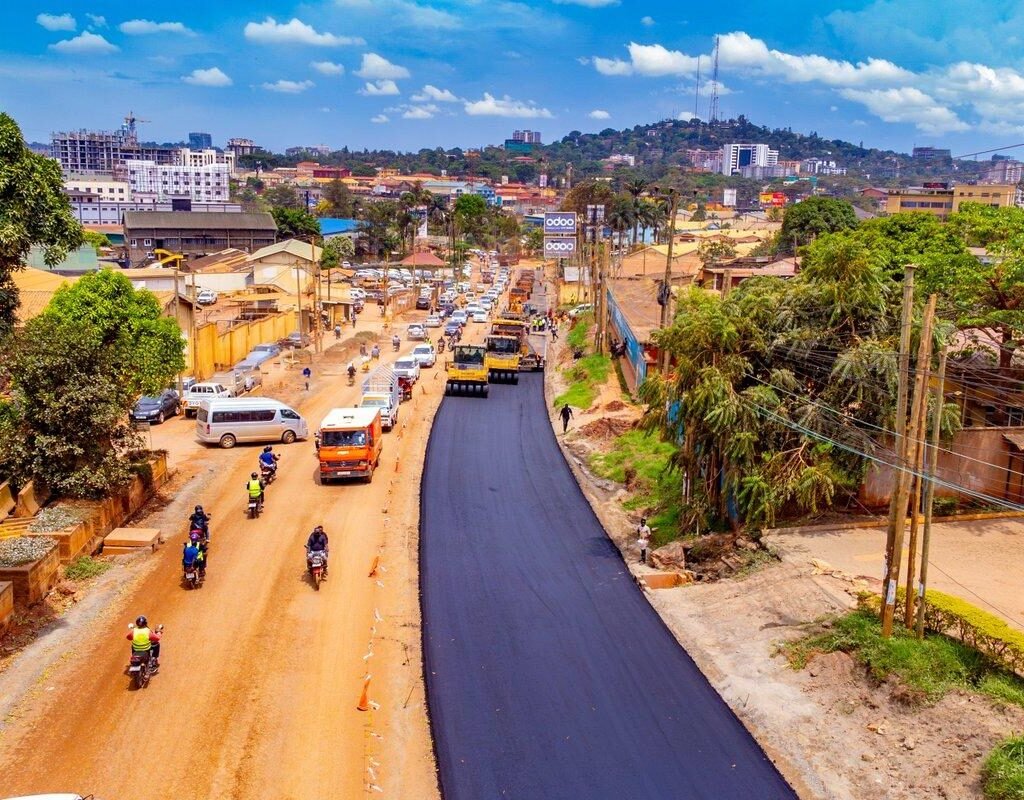
Ugandan time did not start as laziness or disrespect. It started as a rational adaptation to an irrational transport reality, and businesses have quietly adapted their budgets and schedules around it in the same way individuals have adapted their apologies.
Beyond the Joke
None of this erases individual responsibility. Plenty of people leave late and use “Ugandan time” as a convenient excuse for poor planning. That part of the joke is fair.
But treating the whole phenomenon as a cultural failing misses the bigger picture, and the bigger cost. A city where a ten minute drive can become an hour long ordeal twice a day is not just costing individuals their patience. It is quietly taxing every business that depends on predictable movement of people and goods, and the roads themselves are setting the terms.
