
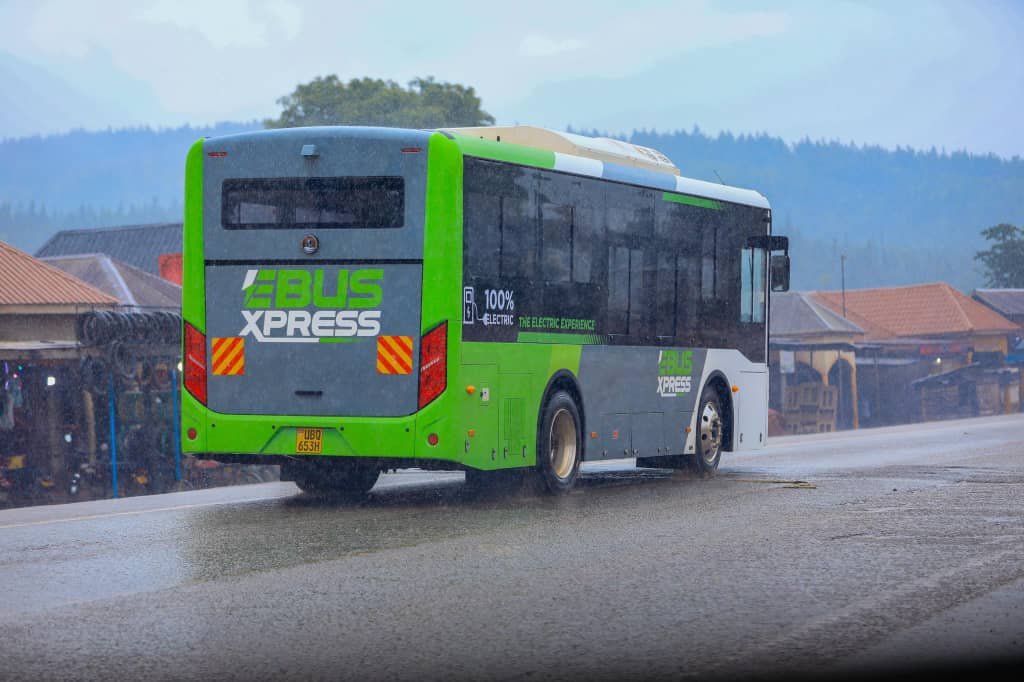
The journey began in February 2016, a year that marked Uganda’s first bold step toward industrial independence with the unveiling of Africa’s first solar-powered bus. Built by Kiira Motors Corporation, that early prototype signaled a shift in ambition. Uganda was no longer content with importing solutions. It was ready to build its own.
Today, that vision has moved from concept to reality. The Kayoola EVS is now operating on public routes, marking a defining moment where innovation meets everyday life. For the “Pearl of Africa,” this is more than a transport milestone. It is a statement that Uganda is stepping into a leadership role in green mobility.
At its core, Kiira Motors is driven by a simple but powerful idea. Uganda must create, not just consume. The focus on “Made in Uganda” value addition reflects a broader goal of building a sustainable e-mobility ecosystem. This is about control over economic direction, reducing dependence on global oil markets, and shaping a future defined by local innovation.
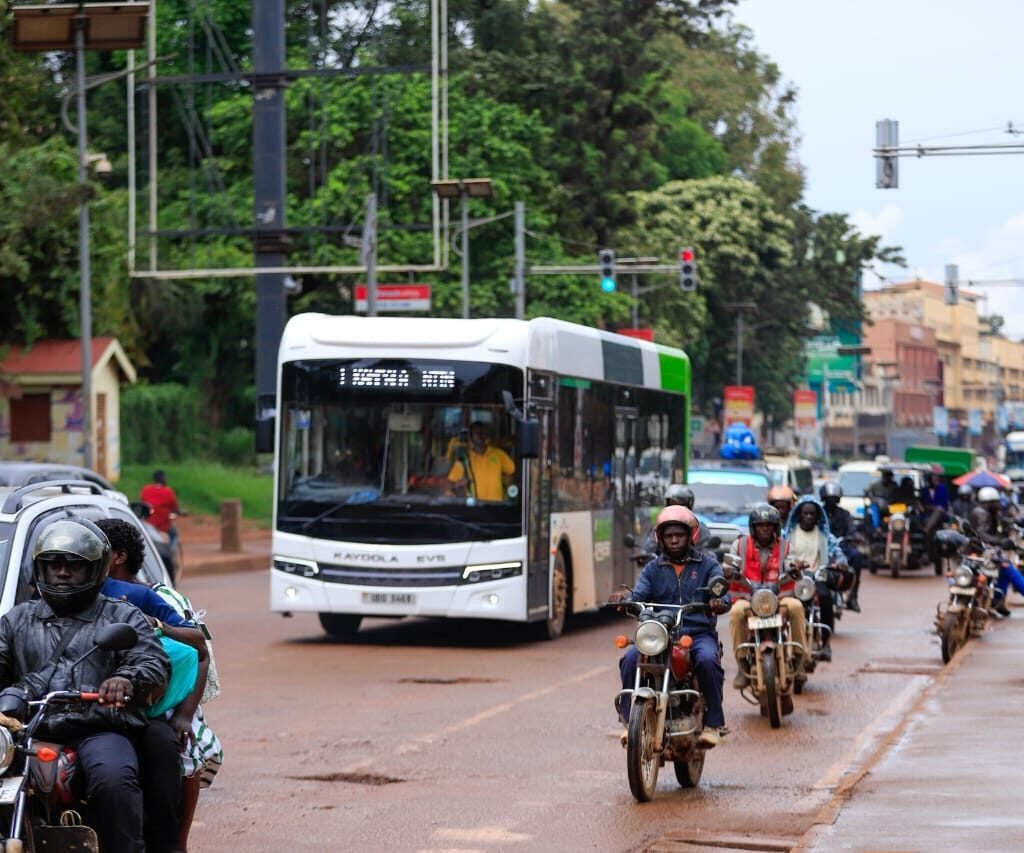
The introduction of the Kayoola EVS onto Kampala’s roads is also a practical solution to everyday challenges. It is designed to ease congestion, reduce noise, and provide a cleaner, more efficient commuting experience. By integrating electric buses into public transport, Uganda is proving that green technology can work at scale and serve ordinary citizens.
The buses are currently operating on key pilot routes to test performance and demand. These include Kampala to Entebbe, offering a quieter and more comfortable option for travelers, Kampala to Mukono, one of the busiest commuter corridors, and Kampala to Jinja, linking the capital to the industrial hub where the buses are manufactured. Pricing is structured to remain competitive, ensuring accessibility for daily commuters while maintaining service quality.
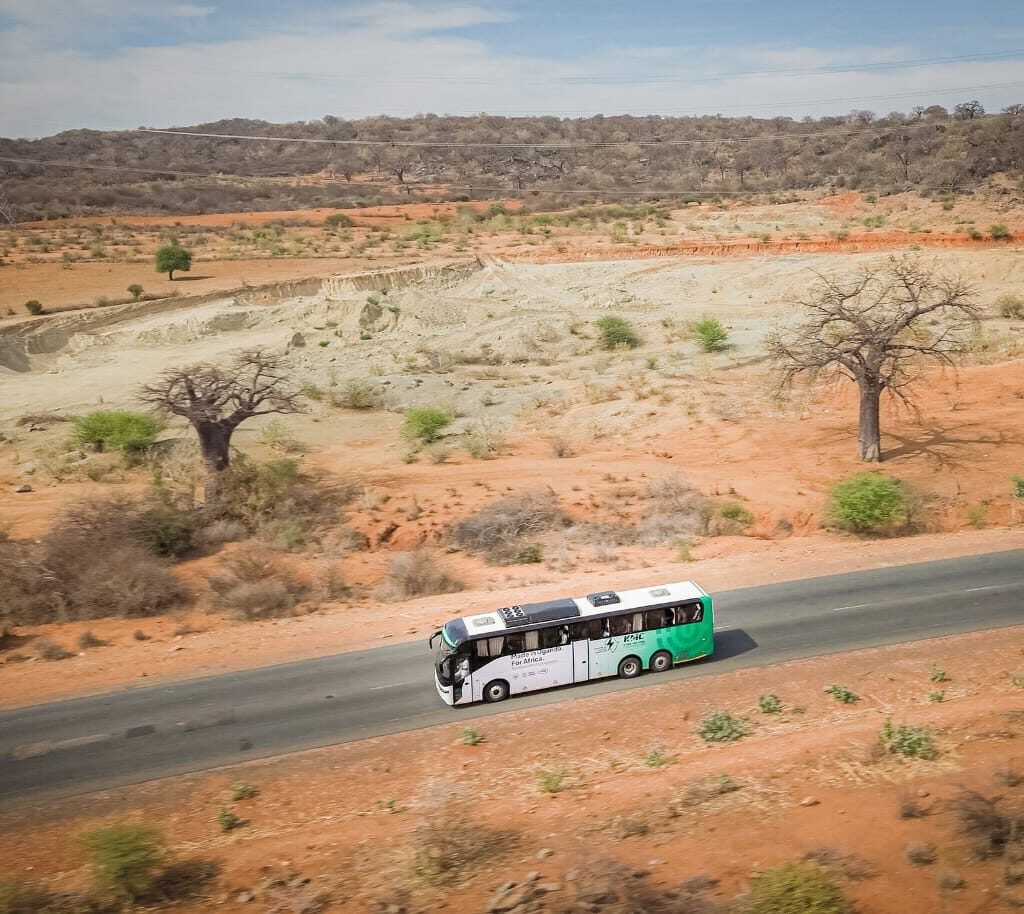
Beyond Uganda, the impact is beginning to spread. Interest from countries like Tanzania and South Sudan reflects growing confidence in Ugandan engineering. The 13,700-kilometre journey to Cape Town further demonstrated that these buses are built for African conditions and capable of operating across long distances and diverse terrain.
The economic implications are significant. Local production reduces the need for imported vehicles, saving foreign exchange and strengthening Uganda’s financial position. At the same time, it creates jobs, builds technical skills, and supports a growing network of local suppliers.
There is also a clear environmental benefit. Electric buses reduce emissions, cut noise pollution, and lower long-term transport costs. This ensures that development is not only about growth, but about sustainability and improved quality of life.
What this means for Uganda is a shift in identity. The country is moving from being a consumer of technology to a producer of it. It is building industries, retaining value within its economy, and creating opportunities for future generations.
The Kayoola EVS is not just a bus on the road. It is proof that Uganda’s industrial ambitions are real, visible, and already in motion.The journey began in February 2016, a year that marked Uganda’s first bold step toward industrial independence with the unveiling of Africa’s first solar-powered bus. Built by Kiira Motors Corporation, that early prototype signaled a shift in ambition. Uganda was no longer content with importing solutions. It was ready to build its own.
Today, that vision has moved from concept to reality. The Kayoola EVS is now operating on public routes, marking a defining moment where innovation meets everyday life. For the “Pearl of Africa,” this is more than a transport milestone. It is a statement that Uganda is stepping into a leadership role in green mobility.
At its core, Kiira Motors is driven by a simple but powerful idea. Uganda must create, not just consume. The focus on “Made in Uganda” value addition reflects a broader goal of building a sustainable e-mobility ecosystem. This is about control over economic direction, reducing dependence on global oil markets, and shaping a future defined by local innovation.
The introduction of the Kayoola EVS onto Kampala’s roads is also a practical solution to everyday challenges. It is designed to ease congestion, reduce noise, and provide a cleaner, more efficient commuting experience. By integrating electric buses into public transport, Uganda is proving that green technology can work at scale and serve ordinary citizens.
The buses are currently operating on key pilot routes to test performance and demand. These include Kampala to Entebbe, offering a quieter and more comfortable option for travelers, Kampala to Mukono, one of the busiest commuter corridors, and Kampala to Jinja, linking the capital to the industrial hub where the buses are manufactured. Pricing is structured to remain competitive, ensuring accessibility for daily commuters while maintaining service quality.
Beyond Uganda, the impact is beginning to spread. Interest from countries like Tanzania and South Sudan reflects growing confidence in Ugandan engineering. The 13,700-kilometre journey to Cape Town further demonstrated that these buses are built for African conditions and capable of operating across long distances and diverse terrain.
The economic implications are significant. Local production reduces the need for imported vehicles, saving foreign exchange and strengthening Uganda’s financial position. At the same time, it creates jobs, builds technical skills, and supports a growing network of local suppliers.
There is also a clear environmental benefit. Electric buses reduce emissions, cut noise pollution, and lower long-term transport costs. This ensures that development is not only about growth, but about sustainability and improved quality of life.
What this means for Uganda is a shift in identity. The country is moving from being a consumer of technology to a producer of it. It is building industries, retaining value within its economy, and creating opportunities for future generations.
The Kayoola EVS is not just a bus on the road. It is proof that Uganda’s industrial ambitions are real, visible, and already in motion.
