
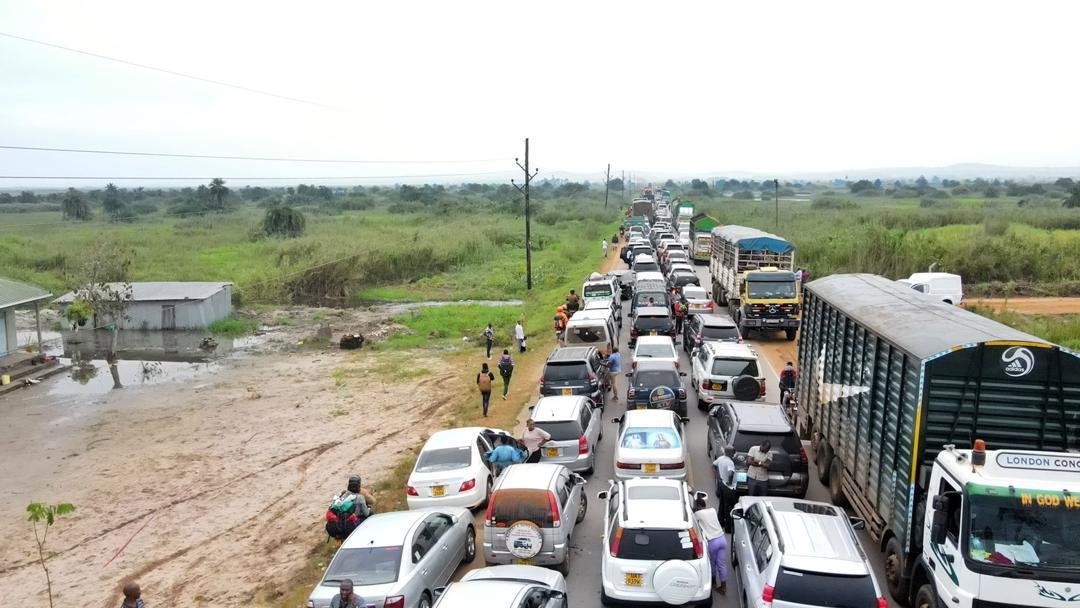
Traffic congestion in Uganda has moved beyond an everyday irritation. It has become a measurable drag on the economy, and the Kampala-Masaka corridor, particularly the Busega-Mpigi stretch, is one of its costliest bottlenecks.
The numbers behind that cost are larger than most people realize, and the night of December 29, 2025 showed exactly what those numbers look like on the ground.
What the Country Loses
A World Bank study found that traffic congestion costs Uganda more than 800 million US dollars a year in lost gross domestic product, a figure that Tororo South MP Fredrick Angura recently cited in Parliament, pointing specifically to delays facing cargo trucks moving along the country’s key trade corridors. He described the scale of hold-ups facing motorists and freight operators, noting that trucks can wait for over two hours at major congestion points because of the inability to move faster, a cost the World Bank has computed at roughly 800 million dollars a year in “waiting in motion.”
Separate research puts the toll even higher. One study on Uganda’s transport infrastructure concluded that, given the current state of traffic flow, the country loses about 6.7 percent of its GDP to congestion annually. Other estimates land in a similar range, with Kampala’s congestion alone estimated to cost around 4 percent of GDP each year.
Fuel is a major part of that bill. Uganda burns through roughly 5 million litres of fuel a day across petrol, diesel and kerosene, and even a conservative price estimate puts the value of that daily fuel burn at around 18 billion Ugandan shillings. A meaningful share of that is simply wasted, burned by vehicles sitting still rather than moving goods and people.
Time lost is just as significant. A 2020 study by the International Growth Centre found that Kampala loses around 5.7 billion shillings, or about 1.5 million US dollars, every single day to congestion, equivalent to 4.2 percent of the Greater Kampala area’s daily GDP. On an individual level, the average Ugandan loses at least 52 working days a year to traffic, based on a five day work week, which works out to roughly 90 minutes lost in gridlock every day.
Some estimates go further still. Research from the Economic Policy Research Centre found that poor roads and the congestion they cause cost Uganda around 2.1 trillion shillings a year, equivalent to 7 percent of national GDP.
Whichever figure is used, the pattern is the same. Congestion is not a side effect of Uganda’s growth. It is one of the largest hidden costs the economy carries, and the Masaka corridor is one of the clearest places to see it play out.
One Night on the Masaka Highway
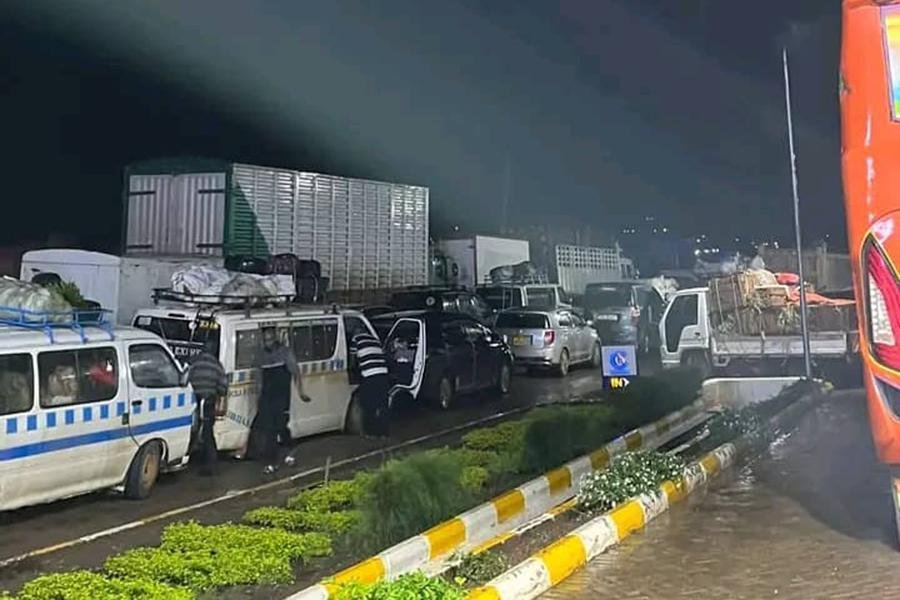
On the night of December 29, 2025, drivers on the Kampala-Masaka highway expected the usual slowdown near Mpambire. What they got instead was a 15 hour standstill that turned a routine trip into an ordeal many won’t forget.
Around 40 kilometres outside Kampala, traffic froze near Mpambire and the jam quickly spread through Mpigi and Butambala. What looked at first like a routine holdup stretched on for hours, then overnight.
Businessman Samson Tinka, who documented the experience for Watchdog Uganda, said he barely moved for most of the night. Even VIP convoys were stuck. Ambulances couldn’t get through.
As the hours dragged on, the scale of the damage became clear. Two poultry companies transporting day-old chicks, cargo that can’t sit still for long, lost both consignments to heat before the road finally cleared. Those losses never showed up as a line item called “traffic jam.” They showed up as spoiled stock and wasted transport costs.
Other travelers had their own version of the same story. Motorist David Ssekitoleko told ChimpReports he entered Mpigi around 4pm on December 29 and didn’t reach Kampala until 7am the next day, a trip that should have taken under two hours. Businessman Peter Mugisha, travelling with his family, called it the worst gridlock he’d experienced. He said some vehicles ran out of fuel entirely while stranded families went without food through the night.
By morning, the Ministry of Works and Transport was directing drivers toward alternative routes, including Mpigi-Kasanji-Nakawuka toward Entebbe and Mpigi-Kanoni-Gomba-Ssembabule toward Masaka, as police worked to clear a highway that normally carries about 30,000 vehicles a day.
That single night was extreme, but it was also a snapshot of a cost the corridor imposes far more quietly, and far more often, throughout the rest of the year.
The Masaka Corridor’s Share of the Problem
The Kampala-Masaka highway, and specifically the Busega-Mpigi section, is one of the country’s most important trade routes. It forms part of the Northern Corridor, the regional network connecting Uganda to Rwanda, the Democratic Republic of Congo, Tanzania and Burundi.
Under normal conditions, a 27.3-kilometre stretch of that road that should take under 45 minutes can take more than two hours. Every one of those extra hours carries a cost: fuel burned without progress, drivers on the clock without completing deliveries, missed meetings, late suppliers, disrupted production schedules. For companies moving perishable or live goods, as December 29 demonstrated, the exposure is even higher. A delay that runs long enough doesn’t just cost time, it can wipe out an entire shipment.
Why the Fix Keeps Slipping
The planned solution is the Busega-Mpigi Expressway, a 23.7-kilometre project intended to replace the bottleneck with a faster, higher-capacity road. It was originally contracted in 2019 with completion expected by 2022. Design changes, funding gaps and a corruption investigation that led to the suspension of senior road officials have pushed the timeline back repeatedly, and the project’s cost has climbed well past its original estimate.
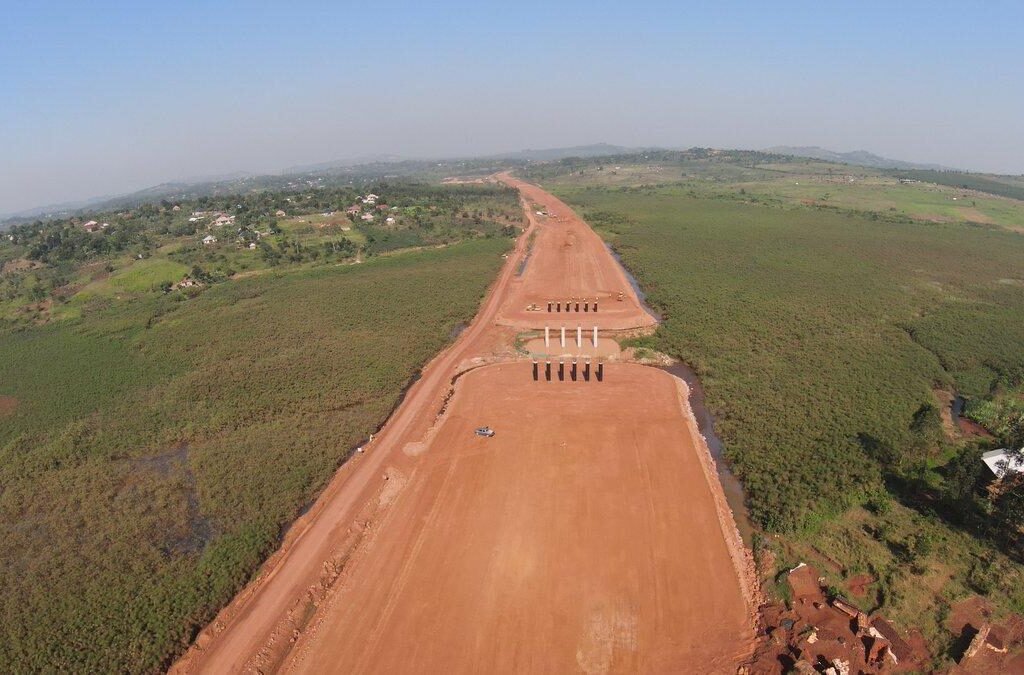
In November 2025, the African Development Bank approved an additional 217.37 million euros for the project, covering new interchanges, bridges, toll plazas and service lanes. The Bank estimates that once finished, the expressway could cut travel time on the affected stretch from over two hours to under 45 minutes. Work reportedly resumed in early 2026 after a funding related pause.
Until it is completed, the corridor will keep adding to Uganda’s congestion bill rather than reducing it.
A Cost the Country Can’t Afford to Ignore
Put together, the national picture is stark: congestion costing Uganda somewhere between 800 million dollars and several percentage points of GDP every year, fuel wasted by the billions of shillings daily, and working days lost by the tens per person annually. The Masaka corridor, as one of the country’s busiest and most economically important routes, carries a disproportionate share of that burden, and December 29 was simply the night that burden became impossible to ignore.
Businesses along the corridor have adapted where they can, building bigger time buffers into schedules, shifting meetings online, relying more on digital signatures and planning deliveries around unpredictable delays. But these are coping mechanisms, not solutions. No company should have to build its operating schedule around the possibility that a 27-kilometre drive might consume half a day.
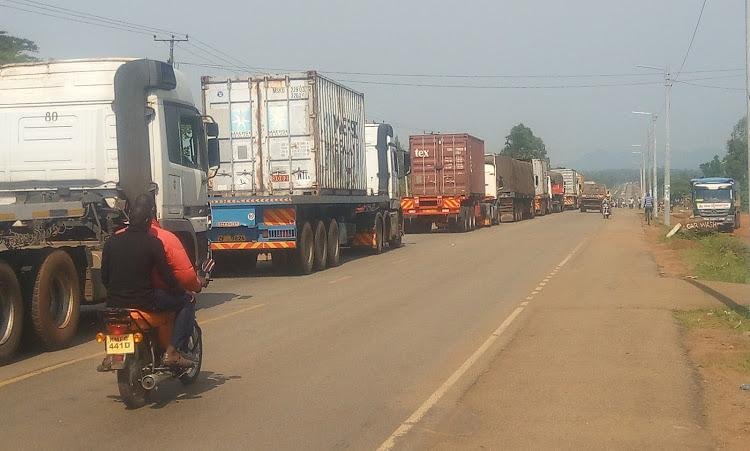
Until the Busega-Mpigi Expressway is finished, the cost will keep accumulating, not just as an occasional dramatic night like December 29, but as a steady, largely invisible drain on fuel, time, productivity and trade that Uganda’s economy absorbs year after year.
