
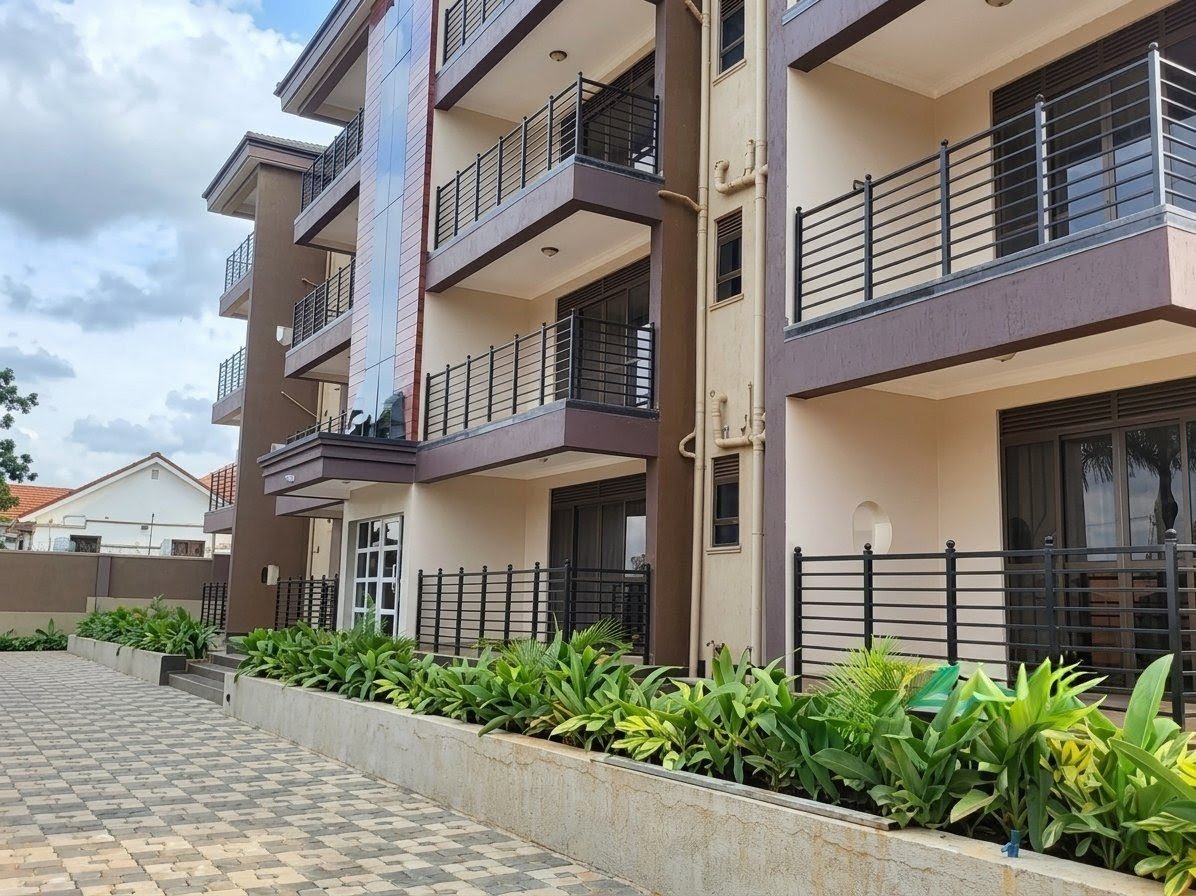
Kampala’s skyline is changing rapidly. Across Ntinda, Bukoto, Kyanja, Najjera, Muyenga, and other fast-growing suburbs, developers are racing to build a new generation of apartments and condominiums. Most of these properties fall within Uganda’s mid-market segment, with prices ranging between Shs370 million and Shs1.1 billion (USD 100,000 to USD 300,000) for a standard two- or three-bedroom unit.
Yet beneath this construction boom lies a fundamental economic puzzle. In an economy where many formal sector workers earn between Shs1.5 million and Shs3.5 million per month, these prices appear far beyond the reach of the average salaried Ugandan. Mortgage financing remains expensive and difficult to access, yet developers continue to sell units, launch new projects, and attract fresh investment.
The question is simple: if local salaries cannot support these purchases, who is actually buying Kampala’s apartments?
The answer begins with Uganda’s growing housing shortage. Rapid urbanization, estimated at more than 5 percent annually, continues to push thousands of households into urban areas each year. Housing sector estimates indicate that Uganda faces an annual housing deficit of between 180,000 and 200,000 units, while the formal construction sector delivers only about 60,000 units annually.
This persistent gap between supply and demand has created upward pressure on land prices, rents, and property values. As more people move into Kampala and surrounding municipalities seeking employment and business opportunities, demand for housing continues to outstrip available supply.
However, affordability remains a major challenge. Mortgage penetration in Uganda accounts for less than 1 percent of GDP, making it one of the least developed housing finance markets in the region. Commercial mortgage rates have historically remained high, while strict collateral requirements exclude many potential buyers.
Even newly built entry-level formal homes often cost between Shs125 million and Shs183 million, placing them beyond the reach of most households. As a result, many Ugandans continue to build homes incrementally over several years rather than purchasing completed units through formal financing channels.
This reality suggests that Kampala’s apartment boom is being financed by a different class of buyer.
One of the most significant drivers of demand is the Ugandan diaspora. Remittances have become one of the country’s most vital economic lifelines, with Bank of Uganda data showing inflows reaching USD 2.5 billion in 2025. A substantial portion of this money finds its way into real estate.
Industry estimates suggest that diaspora investors account for between 30 percent and 40 percent of demand for formal apartments and condominiums. For many Ugandans living abroad, property ownership serves multiple purposes. It functions as a retirement plan, a long-term investment, a source of rental income, and a means of securing assets back home.
Unlike local buyers who often depend on mortgages, diaspora investors typically purchase property through cash payments or structured installment plans. This makes them highly attractive to developers, who increasingly design projects around diaspora preferences, including enhanced security, professional property management, fitness facilities, and turnkey ownership models.
The second major source of demand comes from investors rather than owner-occupiers. High-net-worth individuals, corporate entities, expatriates, and institutional investors increasingly view Kampala’s residential market as an income-generating asset class.
In established suburbs such as Ntinda, Bukoto, Muyenga, and Naguru, residential apartments can generate rental yields ranging from 6 percent to 10 percent annually, depending on occupancy levels and location. These returns remain attractive compared to many traditional investment alternatives.
As a result, investors are purchasing apartments not because they intend to live in them, but because they expect recurring rental income and long-term appreciation in property values. This has accelerated the densification of Kampala’s suburbs, with older standalone homes increasingly being replaced by high-density apartment blocks capable of generating significantly higher returns per square meter of land.
From a macroeconomic perspective, this real estate boom has produced substantial benefits. Construction remains one of Uganda’s largest employment generators, supporting engineers, architects, contractors, artisans, transport providers, and suppliers of building materials.
The sector also stimulates activity across multiple industries, including cement, steel, electrical equipment, telecommunications, furniture, and financial services. Diaspora-funded developments inject foreign currency into the economy, helping strengthen investment flows and supporting external balances. At the same time, expanding property developments increase the municipal tax base and contribute to broader urban infrastructure development.
However, the boom also exposes growing structural risks. As property prices continue rising faster than wages, homeownership is becoming increasingly difficult for ordinary urban residents. Many middle-income earners find themselves trapped between high mortgage costs and rising rents, limiting their ability to build long-term wealth through property ownership.
This creates the risk of a two-speed housing market, where investment capital continues to benefit from property appreciation while a growing share of the local workforce remains excluded from ownership opportunities.
Addressing this challenge will require deliberate policy interventions. Expanding access to affordable housing finance, allowing workers to leverage portions of retirement savings for home purchases, encouraging lower-cost construction technologies, and promoting public-private partnerships in affordable housing development could help narrow the affordability gap.
Kampala’s apartment boom ultimately reflects both the strengths and contradictions of a rapidly urbanizing economy. The market is being powered largely by diaspora capital, institutional investors, and cash-rich buyers seeking long-term returns. While these investments are transforming the city’s skyline and supporting economic growth, they are also exposing the widening gap between property values and local purchasing power.
The real question is no longer whether Kampala’s real estate market is growing. The question is whether the people who live and work in the city will be able to afford a meaningful stake in its future.
