

Uganda’s fight against cancer is entering a new phase as public institutions, private organisations and communities increase investment in specialised treatment infrastructure.
The 15th annual Rotary Cancer Run, held at Kololo Ceremonial Grounds and in 62 towns across the country, raised more than Shs5 billion to support the completion of a one-stop cancer treatment centre at St. Francis Hospital Nsambya.
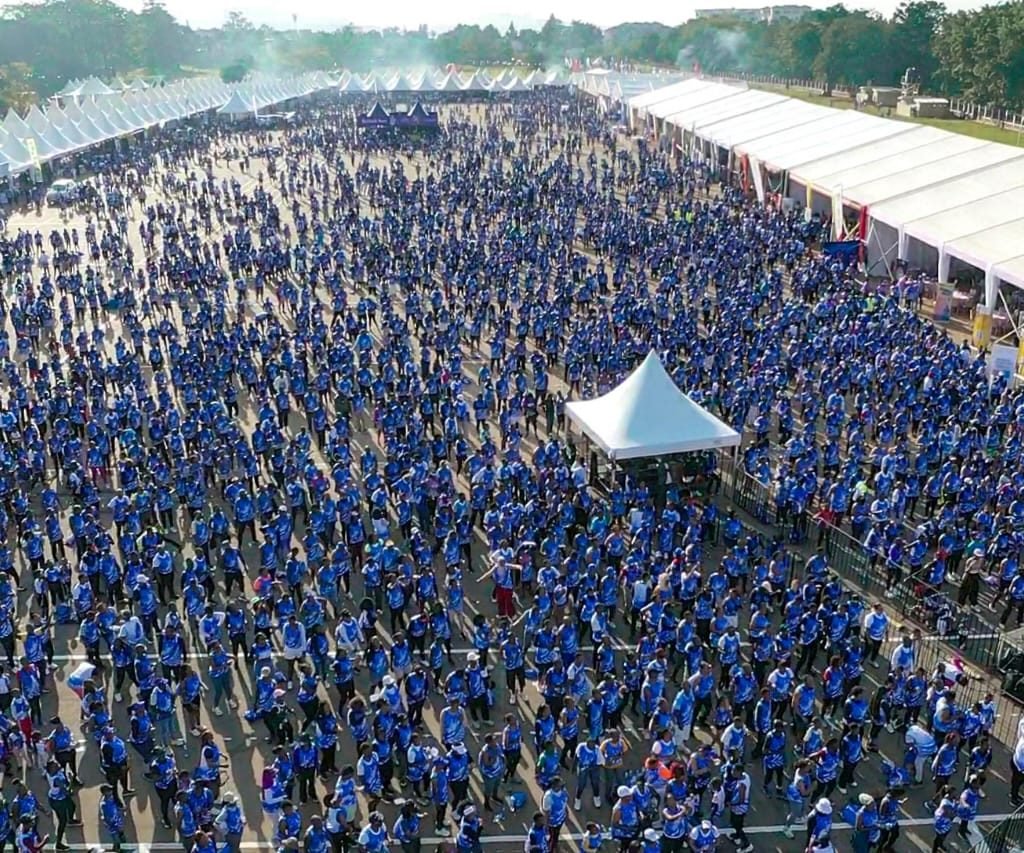
The funds are earmarked for two major components of the facility: the construction of radiation bunkers and acquisition of a Linear Accelerator, or LINAC, machine. These investments are expected to expand access to radiation treatment and reduce the need for patients to seek specialised cancer services outside the country.
The initiative also highlights a broader shift in Uganda’s healthcare financing model, where government institutions, development partners, private healthcare providers and community organisations are combining resources to address gaps in specialised care.
Parliament’s contribution has been significant. The institution committed Shs3 billion to this year’s cancer initiative, taking its cumulative contribution to Shs10.2 billion. The scale of the investment points to growing recognition within public institutions that cancer treatment requires sustained capital expenditure rather than short-term interventions.
For patients, one of the biggest challenges has been access to specialised services. Cancer treatment requires equipment, specialised personnel and facilities capable of handling diagnosis, radiotherapy and other complex procedures. These requirements make cancer care considerably more expensive and difficult to decentralise than basic health services. Uganda is therefore also pursuing a regional approach to specialised cancer care.
Gulu’s regional cancer facility has been completed, while financing has been approved for centres in Arua, Mbale and Mbarara. The expansion is intended to reduce the concentration of specialised services in Kampala and bring treatment closer to patients in different parts of the country.
The decentralisation strategy has an important economic dimension. Patients travelling to Kampala for specialised treatment incur additional costs for transport, accommodation, food and other expenses. For families travelling repeatedly for treatment, these indirect costs add to the financial burden of cancer.
Regional treatment centres therefore have the potential to reduce some of these expenses while improving access to specialised services outside the capital.
Government is also investing in advanced diagnostic capacity. Parliament has approved funding for Positron Emission Tomography, or PET, scanning and other specialised diagnostic infrastructure at regional referral hospitals.
PET imaging is used in cancer diagnosis and management, including assessing the spread and activity of cancer in the body. Increasing access to such technology within Uganda would reduce dependence on overseas facilities for some specialised diagnostic services. The infrastructure push comes at a time when cancer continues to place a substantial burden on Uganda’s health system and households.
The Rotary Cancer Run demonstrates one route through which additional resources are being mobilised. Rather than depending exclusively on the national healthcare budget, the initiative brings together citizens, businesses, government institutions and other stakeholders around a defined infrastructure objective.

For Uganda’s healthcare sector, the more important question is whether such investments will translate into a sustainable cancer-treatment network.
Equipment requires trained specialists, reliable electricity, maintenance, consumables, and sufficient operational funding. A modern cancer centre therefore represents a long-term financial commitment beyond the initial cost of construction and equipment. The same applies to regional facilities. Building infrastructure is the first stage. Keeping specialised units operational and adequately staffed determines whether patients ultimately benefit from the investment.
The Shs5 billion raised through this year’s cancer run consequently represents more than a fundraising milestone. It reflects the growing role of structured partnerships in financing specialised healthcare infrastructure.
With Parliament’s cumulative contribution to the initiative reaching Shs10.2 billion, and government expanding specialised services beyond Kampala, Uganda is gradually building a healthcare model in which major investments are spread across institutions and regions.
For businesses and investors, the development also signals opportunities within Uganda’s healthcare value chain. Demand for medical equipment, facility construction, maintenance, specialist training, diagnostics and healthcare technology is likely to grow as the country expands specialised services.
For patients, the ultimate measure will be simpler: whether a person diagnosed with cancer in Gulu, Arua, Mbale or Mbarara can access quality diagnosis and treatment without travelling to Kampala or leaving Uganda.
The success of Uganda’s cancer infrastructure drive will therefore depend on what follows the fundraising. The money raised must translate into functioning equipment, completed facilities, skilled personnel, and services patients are able to access when they need them. The Rotary Cancer Run has provided another significant injection of capital into this effort. The next test is turning that investment into lasting capacity for cancer care.
