
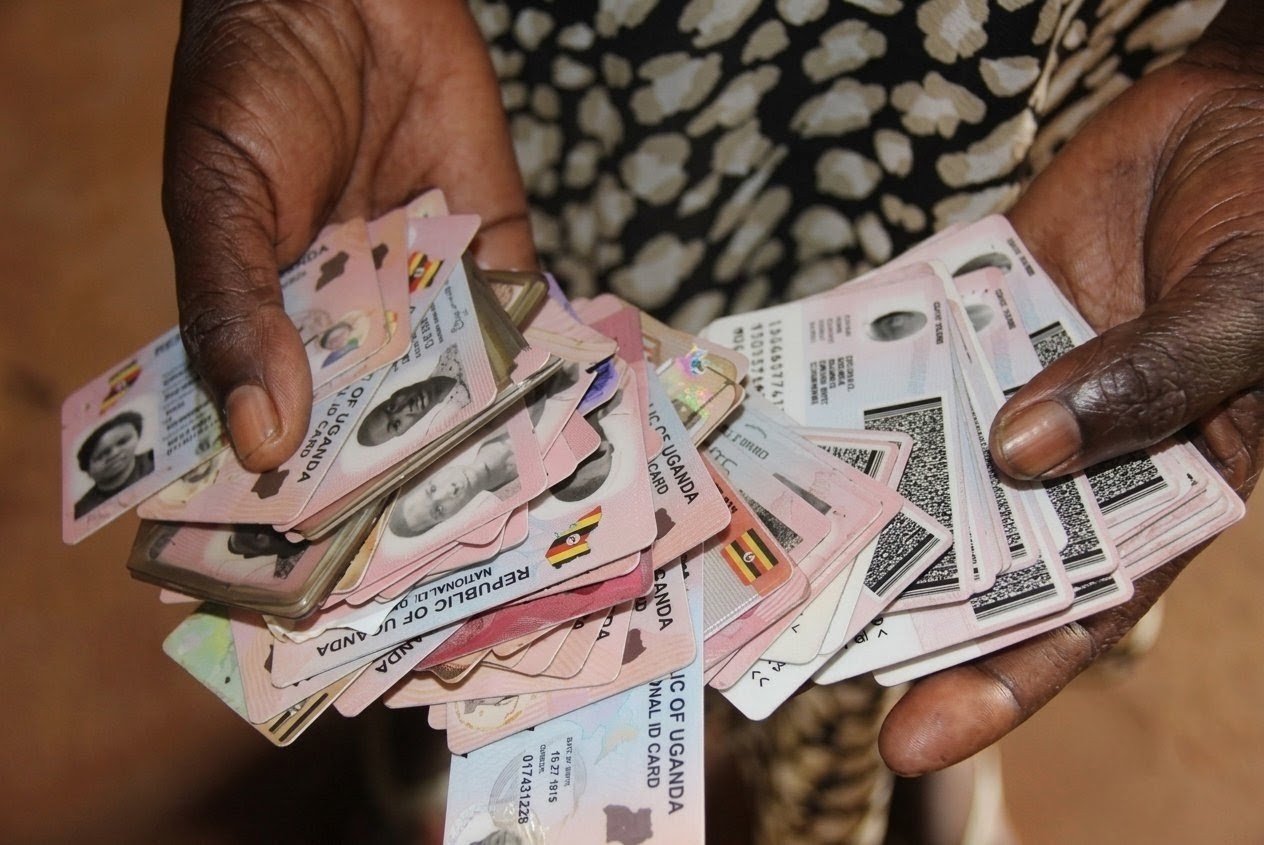
Cabinet met at State House Entebbe on Monday and approved a change that affects every taxpayer in Uganda: the standalone Tax Identification Number is being phased out for individuals, replaced by the National Identification Number already printed on your ID card.
ICT and National Guidance Minister Justine Kasule Lumumba announced the decision on Tuesday.
“Cabinet approved the use of the National Identification Number issued by NIRA as the Tax Identification Number going forward,” she said. “By adopting the NIN as the TIN, we are establishing one consistent identity for every taxpayer.”
The headline sounds simple. In practice, it means several different things depending on who you are, and it’s worth breaking down properly.
To understand what’s changing, it helps to start with what’s being replaced.
The TIN was a unique 10-digit number issued free by the Uganda Revenue Authority. You needed it to file tax returns, import or export goods, get a tax clearance certificate, open certain bank accounts, register a motor vehicle, process land transactions, and bid for government contracts. Many Ugandans who never considered themselves “taxpayers” still needed one just to function formally in the economy.
The NIN is different. Issued by NIRA, it’s the 14-character number tied to your fingerprints and photograph, meant to confirm identity, not tax obligations. Two numbers, two agencies, two databases that historically didn’t share information well.
That gap wasn’t an oversight. The two systems were built by different institutions for different purposes at different times. NIRA existed to prove citizenship and identity. URA needed a number that could also cover companies and NGOs, entities that cannot hold a NIN, which is why businesses will use the Business Registration Number from URSB instead of the NIN.
This also explains why “all transactions” needs a slight asterisk. NIN replaces TIN for individuals. Companies, NGOs, and partnerships will use their BRN. So the reform is really “one official number per person or entity,” not literally everyone using their National ID number for everything.
None of this happened overnight, even though the announcement lands like breaking news. The legal groundwork was laid in 2025, when an amendment to the Tax Procedures Code Act redefined what a TIN legally is: the NIN for individuals, the BRN for companies. In May 2026, URA told taxpayers to update their portal profiles with their NIN or risk losing access to filing. Cabinet’s approval this week formalises a process that’s already been underway for over a year.
Lumumba described the old system as “largely manual” with “outdated and inconsistent records,” which made it easier for tax evaders to hide behind duplicate or mismatched registrations. Government says the merger will improve accuracy, close revenue leakage, and give tax authorities clearer visibility into taxpayers’ income, including income earned abroad.
So what does “all transactions” mean for you specifically?
If you already hold a TIN, log into the URA portal and link your NIN (individuals) or BRN (companies), and update your phone number and address. URA has already begun blocking taxpayers who haven’t done this.
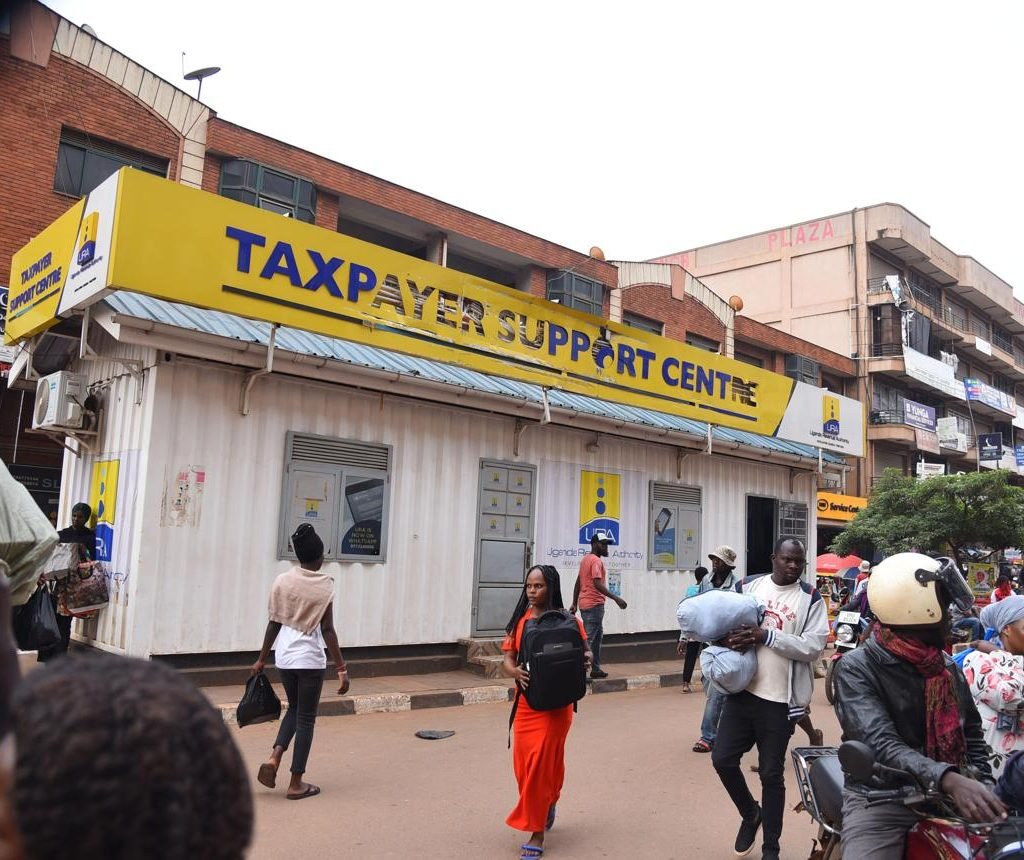
If you’ve never had a TIN, your NIN will now serve as your tax identifier automatically, no separate application needed.
Foreigners without a NIN can use a foreign TIN where Uganda has a tax treaty with their home country, though detailed guidance here is still limited.
There’s a harder side to this too, one the announcement doesn’t dwell on. NIRA already holds one of the largest repositories of sensitive personal data in the country, including biometric records for tens of millions of people. Folding tax and financial data into that same system means a single breach could expose identity, business, and financial records together, not separately. The Digital Agenda Forum has formally asked Uganda’s Personal Data Protection Office to clarify the legal basis for this centralisation and whether a proper Data Protection Impact Assessment was carried out.
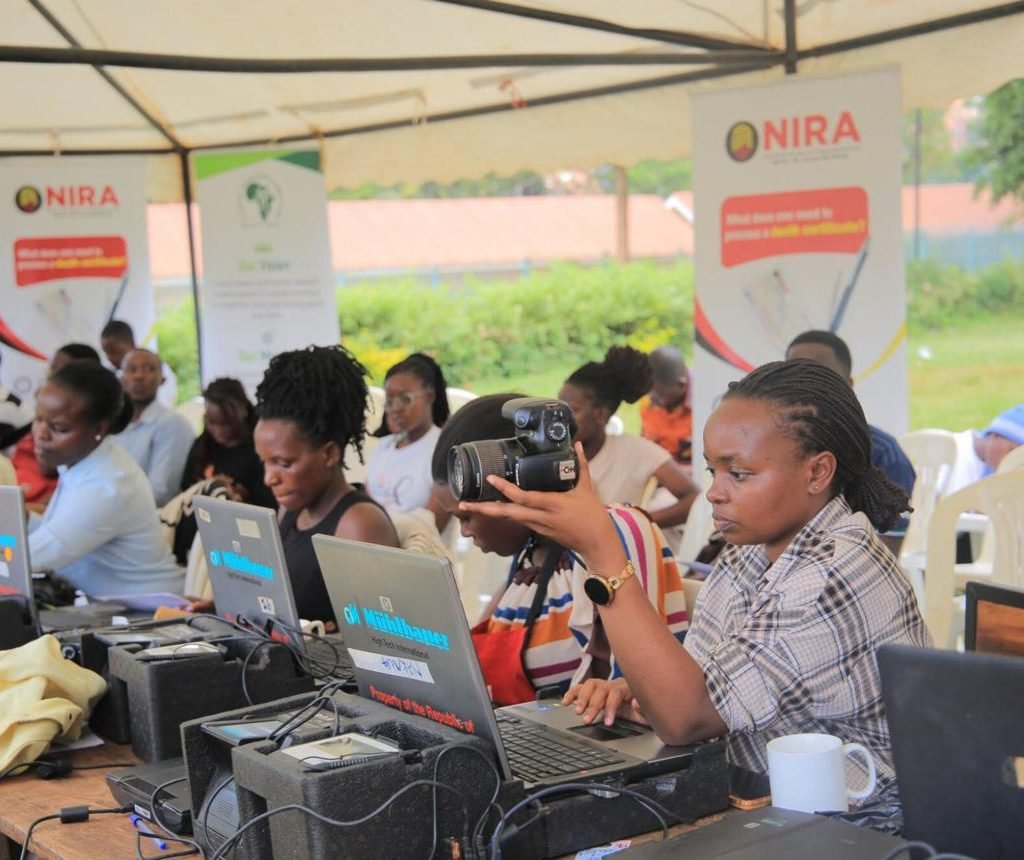
There’s also a risk of exclusion. National ID coverage is wide but not universal, and people whose NIRA details don’t match, or who never registered at all, could find themselves locked out of tax filing, licensing, and banking all at once, not just one service. Employers have also been warned that mismatched names or dates of birth between NIRA and payroll records could disrupt PAYE processing and trigger audits during the transition.
Cabinet hasn’t published a start date or a detailed transition timetable, so for now, both numbers may still appear on paperwork, bank forms, and existing contracts. But the policy direction is set, and it isn’t being reversed.
In short: “NIN will replace TIN in all transactions” means individuals now use their National ID number where they once used a separate tax number, companies use their BRN instead, and the system underpinning all of it is only as reliable as the accuracy of NIRA’s data and the security around it. Whether that delivers the efficiency government is promising, or creates new friction for people whose records aren’t clean, depends on how carefully the transition is managed from here.
