
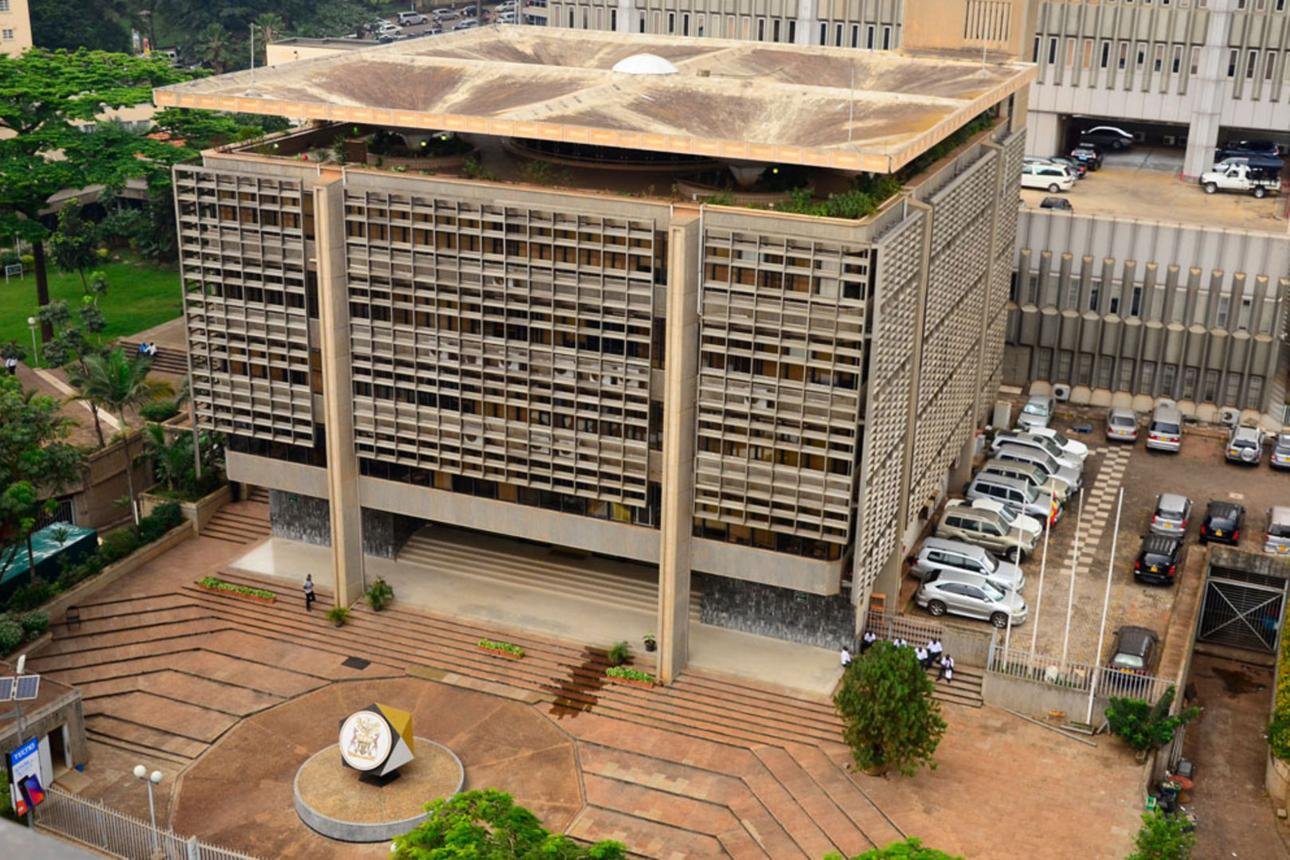
The High Court’s Anti-Corruption Division has ordered prosecutors to complete disclosure of key evidence in the Shs60 billion Bank of Uganda payment fraud case, clearing the way for the trial of nine Ministry of Finance officials to proceed in October.
Justice David Makumbi issued the directive on Monday, August 31, after the prosecution sought additional time to furnish the defense with outstanding evidence, including an Auditor General’s report and other statements. The prosecution has been given until September 1, 2026, to complete the disclosure. The case will return to court on October 12 for plea-taking and the commencement of pre-trial proceedings.
The development came amid a dispute over the pace of the proceedings, with defense lawyers accusing the prosecution of delaying the case. They also raised claims that the accused officials had received directives from the “supreme authority” that would allow them to return to their jobs.
However, the prosecution said it was unaware of any such directive. Justice Makumbi subsequently rejected the claims of a presidential pardon as unsubstantiated, stressing that any formal intervention in a criminal case would have to be communicated through the Office of the Director of Public Prosecutions.
The nine accused are former Accountant General Lawrence Ssemakula, Commissioner of Treasury Services Jennifer Muhuruzi, Assistant Commissioner for Accounts Pedison Twesigomwe, senior IT officer Tonny Yawe, IT systems officers Paul Nkalubo Lumala and Mark Kasiiku, senior accountant Deborah Dorothy Kusiima, accountant Judith Ashaba and research assistant Bettina Nayebare.
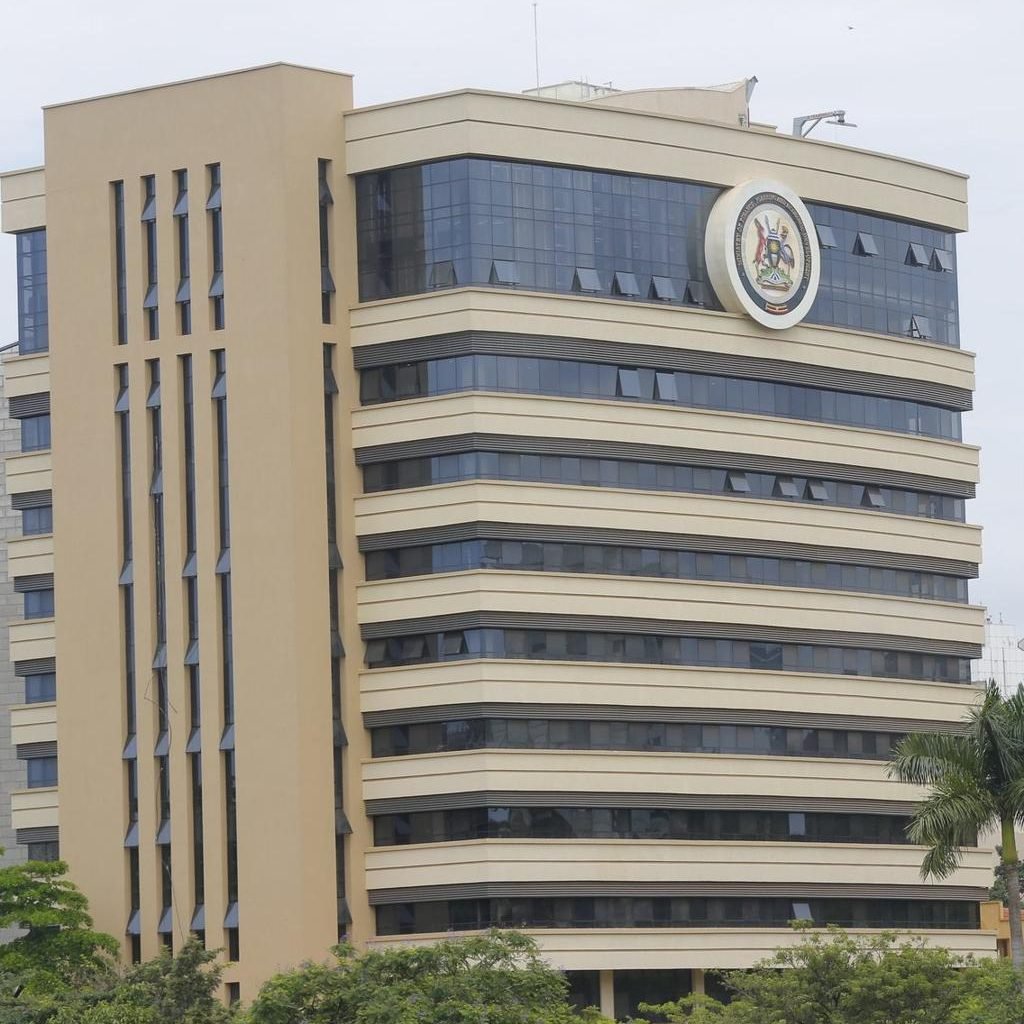
They face charges arising from alleged manipulation of payment systems within the Ministry of Finance and Bank of Uganda, which prosecutors say resulted in the diversion of about Shs60 billion in public funds.
According to court documents, the alleged fraud involved government funds intended for repayment of loans to international lenders, including the World Bank’s International Development Association and the African Development Fund of the African Development Bank.
Investigators allege that electronic payment files generated through the Integrated Financial Management System were altered before being encrypted and transmitted to Bank of Uganda. The alleged manipulation included changing the details of intended beneficiaries and redirecting payments to foreign entities.
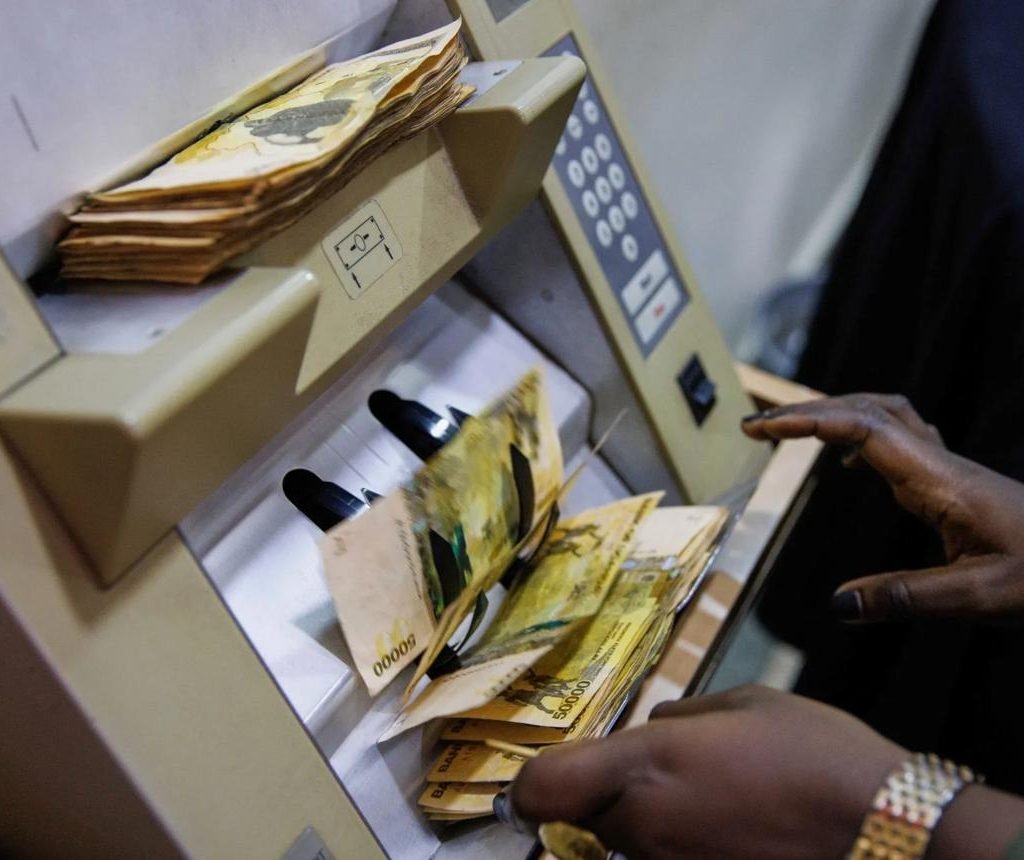
Court documents further allege that payments exceeding $14 million on September 12 and September 30, 2024, were diverted to foreign companies, including entities in Japan and the United Kingdom. An earlier attempted transfer of more than $6.6 million to an entity in Poland was reportedly intercepted after the World Bank raised concerns over a missed loan repayment.
The case has evolved since the officials were initially charged in 2024. In March 2026, the prosecution added eight charges, including money laundering and electronic fraud, bringing the total number of charges to 19 before the suspects were committed to the High Court for trial.
For now, the court’s immediate focus is on ensuring that the defense receives the evidence it needs before the substantive proceedings begin.
With the disclosure deadline set for September 1 and the next court appearance fixed for October 12, the Shs60 billion case is entering a critical stage. The eventual trial will determine whether the prosecution can substantiate its allegations of systemic manipulation and diversion of public funds and whether the accused officials bear criminal responsibility for the alleged losses
