
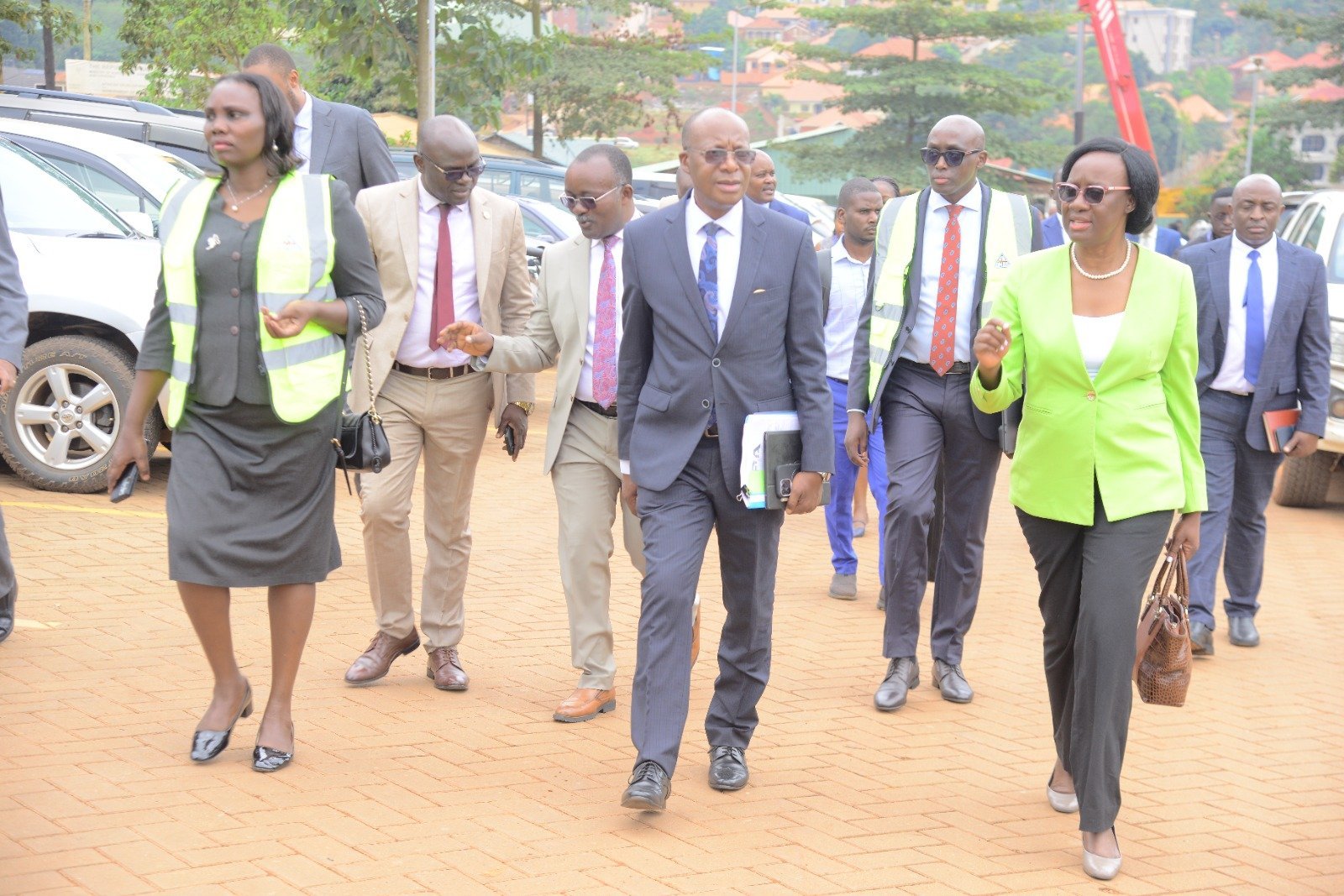
Uganda has taken another step toward strengthening its industrialisation agenda after Heads of Government Ministries, Departments and Agencies (MDAs) convened at the Uganda National Bureau of Standards (UNBS) for the 7th Heads of Government Agencies (HoGA) Meeting, a platform aimed at enhancing coordination, improving public sector performance, and advancing quality service delivery.
Convened by the Office of the Prime Minister under the leadership of Ms. Jane Kyarisima Mwesiga, Deputy Head of Public Service in charge of Performance and Service Delivery, the meeting brought together senior government officials to align institutional strategies, address cross-cutting challenges, and reinforce collaboration across the public service.
The gathering underscored the growing recognition that effective industrialisation and economic transformation depend not only on sound policies but also on strong technical institutions that guarantee quality, safety, and consumer confidence.
Ahead of the formal meeting, delegates toured UNBS’s state-of-the-art testing and calibration laboratories, gaining first-hand insight into the country’s quality infrastructure and its contribution to economic development.
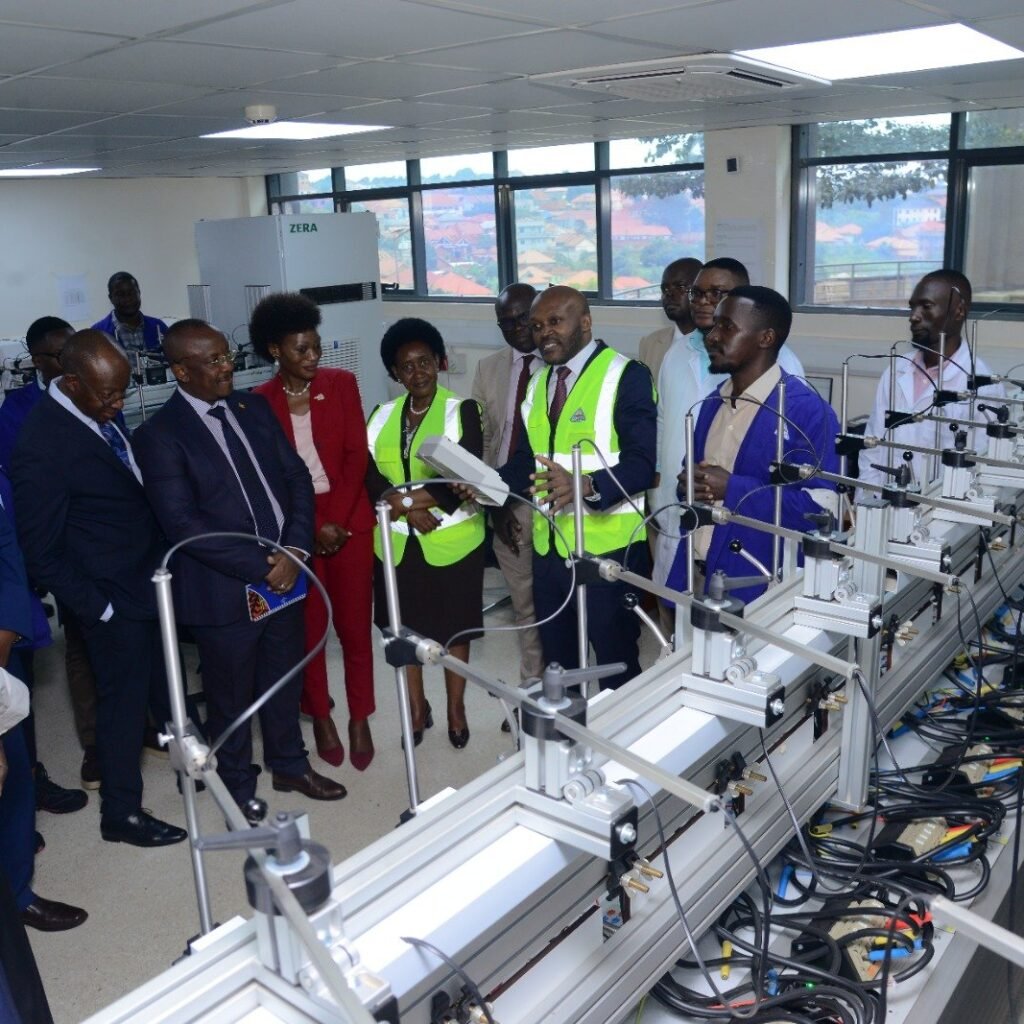
The guided tour demonstrated how standards, laboratory testing, metrology, and product verification support public health, facilitate trade, protect consumers, and enhance Uganda’s competitiveness in regional and international markets.
One of the key highlights was the visit to UNBS’s internationally accredited Food Safety Laboratories, where agricultural and processed food products undergo rigorous testing to ensure compliance with both national and international standards.
The laboratories play a critical role in protecting consumers from unsafe food while helping Ugandan exporters meet strict international market requirements.
As Uganda seeks to expand exports under regional trade frameworks such as the African Continental Free Trade Area (AfCFTA), reliable food safety testing has become an important national asset. By preventing unsafe products from entering markets and reducing the risk of export rejections, UNBS strengthens Uganda’s reputation as a supplier of quality goods.
Delegates also visited the National Metrology Laboratories, which maintain Uganda’s national measurement standards.
Although often operating behind the scenes, metrology plays a vital role in ensuring fairness in trade and industry. From verifying fuel pumps and weighing scales to supporting accuracy in industrial processes, precise measurement systems protect businesses and consumers while improving confidence in commercial transactions.
Reliable measurement systems help reduce disputes, promote transparency, and enable manufacturers to produce goods that consistently meet required specifications, supporting Uganda’s competitiveness in regional and global markets.
The tour also included the National Energy Meters Laboratory, where electricity meters destined for Uganda’s power grid undergo mandatory verification before deployment.
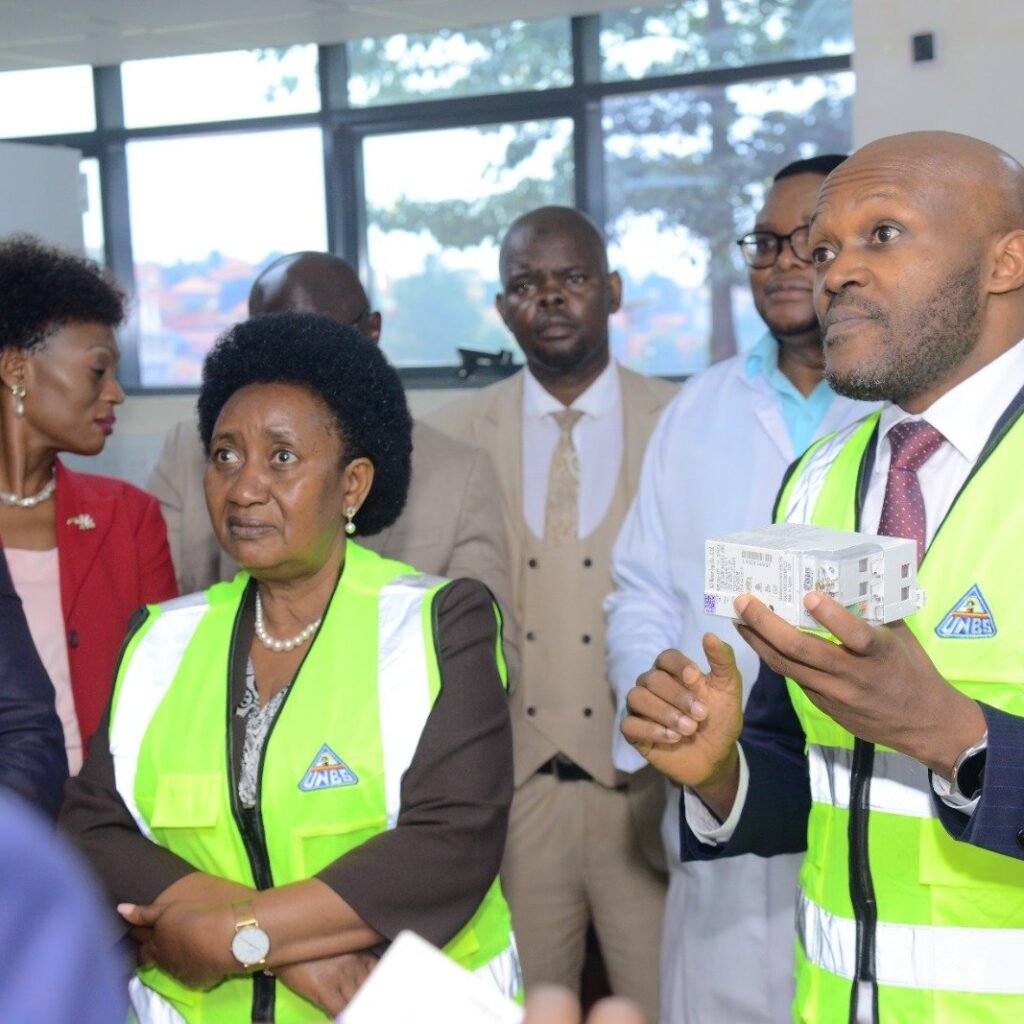
Accurate electricity metering ensures households and businesses are billed correctly while enabling utility providers to manage the national grid using reliable consumption data.
By preventing faulty meters from entering the market, UNBS contributes to consumer protection, efficient energy management, and increased confidence in Uganda’s electricity sector, which remains a key driver of industrial growth.
Throughout the visit, delegates witnessed how Uganda’s investment in quality infrastructure supports broader national development goals.
Quality infrastructure, including standards, metrology, accreditation, conformity assessment, testing, and certification, provides the technical foundation required for industrialisation.
Without reliable systems for testing and verification, manufacturers face barriers accessing export markets, consumers are exposed to safety risks, and businesses encounter increased costs due to inconsistent quality standards.
The HoGA meeting also highlighted the importance of collaboration among government institutions in achieving national development objectives.
While ministries and agencies develop policies and programmes, technical institutions such as UNBS provide the scientific and regulatory support needed to ensure successful implementation.
By hosting the meeting and opening its facilities to other government agencies, UNBS demonstrated how technical expertise directly contributes to public service delivery and economic transformation.
The Office of the Prime Minister continues to use the HoGA platform to strengthen coordination, encourage knowledge sharing, and promote a performance-driven culture within the public sector.
As Uganda advances its industrialisation agenda and seeks to expand manufacturing, regional trade, and export opportunities, investment in standards and quality infrastructure remains essential.
The laboratories showcased during the meeting represent more than technical facilities; they are strategic national assets that support safer food systems, fairer trade, reliable energy services, and stronger industrial growth.
The 7th HoGA Meeting reaffirmed that sustainable economic transformation requires both strong technical institutions and effective collaboration across government. Through continued coordination, Uganda is better positioned to build a competitive economy, improve service delivery, and create an environment that supports long-term industrial development.
