

For many Ugandans, earning UGX 1 million a month is a milestone, the point where rent, school fees, transport, and daily expenses stop feeling like a constant struggle. Yet for millions of workers, that income remains out of reach.
Converted to foreign currency, UGX 1 million (roughly US$270) looks modest. But Uganda’s labour market tells a different story. Surveys from the Uganda Bureau of Statistics (UBOS), the Bank of Uganda, and FinScope consistently show most working Ugandans earn far less. The real question isn’t just why wages are low. It is why years of economic growth haven’t made a million-shilling salary attainable for most of the workforce.
A Pyramid-Shaped Labour Market

Uganda’s labour market resembles a pyramid. At its base are millions in subsistence agriculture, informal trading, domestic work, boda-boda transport, and casual construction, occupations where incomes fluctuate daily and are tied to sales or harvests.
Financial capability surveys show more than half of working Ugandans earn below UGX 150,000 a month. Many others fall between UGX 150,000 and UGX 500,000, leaving only a small share earning close to or above UGX 1 million. Income also varies by geography. Formal, higher-paying jobs cluster around Greater Kampala, while opportunities thin out sharply in farming-dependent regions. Women remain disproportionately represented in lower-income informal work, facing greater barriers to land, financing, and formal employment.
Low Productivity, Low Wages

Wages generally reflect productivity, and Uganda’s economy remains concentrated in low-productivity sectors. Agriculture employs the most workers, yet much of it is rain-fed, fragmented, and under-mechanized. Uganda exports raw commodities like coffee and tea rather than finished goods, with processing and value addition happening abroad. Lower productivity means lower business revenue, which in turn means lower wages.
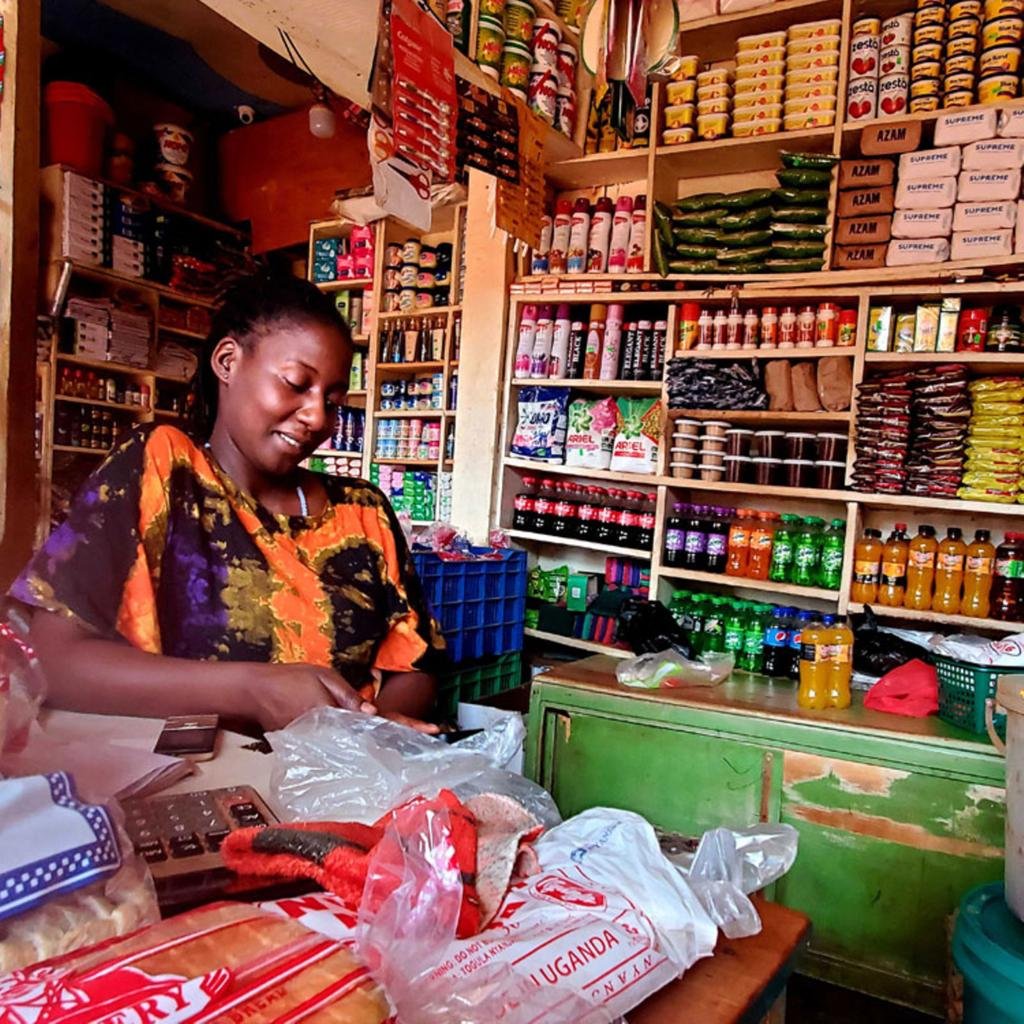
Most Ugandans work outside the formal economy entirely. Small shops, market stalls, salons, and family businesses sustain millions but typically run on limited capital and thin margins, leaving little room to raise pay.
The Cost of Doing Business
Financial pressure on businesses compounds the problem. Commercial lending rates have hovered around 18 to 19.7%, according to the Bank of Uganda, discouraging investment in machinery and expansion. Add rising electricity and fuel costs, imported inputs, taxes, and the logistics burden of a landlocked economy, and many SMEs have little left over for wage growth.
A Youthful Population, A Crowded Job Market
With over three-quarters of Ugandans under 35, hundreds of thousands enter the labour market each year, far outpacing formal job creation. When employers receive hundreds of applications for a single opening, bargaining power shifts firmly to them, suppressing wage growth across the private sector.
A Million Shillings Buys Less Than It Used To
Inflation has steadily eroded purchasing power, even as headline inflation has remained relatively stable in recent years. Housing, transport, healthcare, and food all cost more than they did a decade ago, meaning a UGX 1 million salary today provides less security than the same figure once did.
Income statistics also miss a key reality. Many earners support extended family by paying school fees, medical bills, and funeral costs because formal social protection is limited. This helps explain why Deposit Protection Fund data shows most bank accounts hold balances below UGX 1 million. The challenge is not only earning more. It is also retaining enough income to save and invest.
Wage growth has also been uneven. Recent public sector pay increases for medical workers, judges, and science teachers have not been matched in much of the private sector, widening the income gap.
Jobless Growth
Uganda has grown economically for decades, with better roads, digital finance, and rising investment. But that growth has not produced enough well-paying jobs to match the expanding labour force. Economists call this jobless growth, where GDP rises faster than employment. The pace of growth matters less than its quality.
The Long-Term Fix
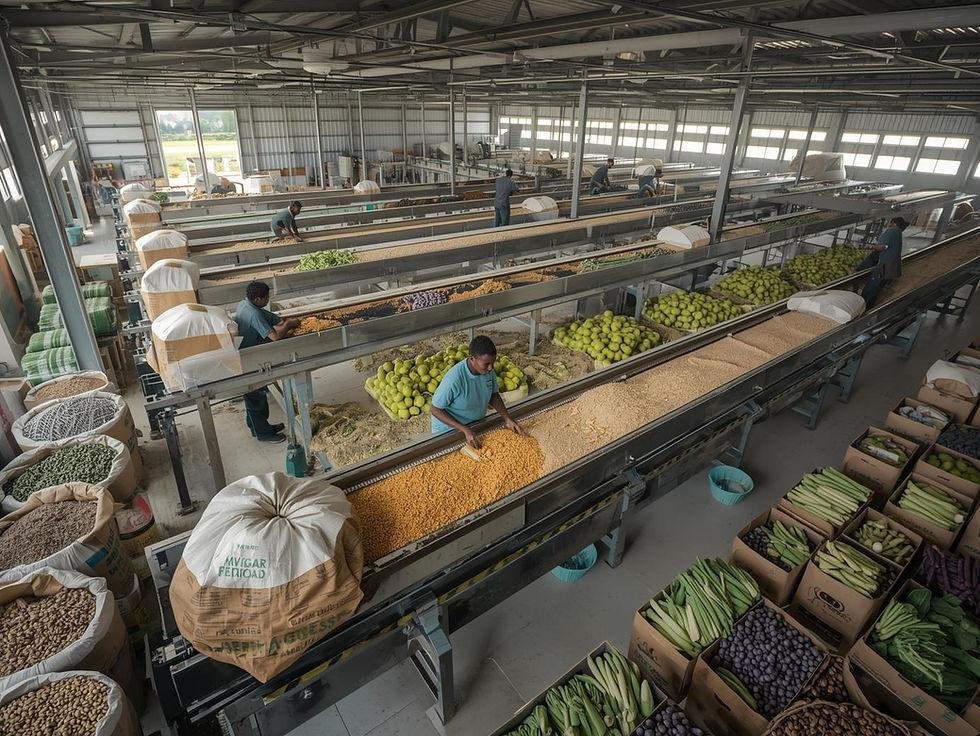
Lasting wage gains require higher productivity and more competitive businesses through stronger manufacturing, agro-processing, export diversification, affordable financing, and technical education. South Korea, Vietnam, and Malaysia raised household incomes by shifting from exporters of raw materials to producers of high-value goods. Uganda’s opportunity lies in making the same transition.
Ultimately, the real measure of progress will not be how many Ugandans cross the million-shilling mark this year. It will be whether the economy builds productive jobs, stronger businesses, and real opportunities to save and build wealth, allowing higher incomes to become the norm rather than the exception.
