
The Uganda Free Zones and Export Promotion Authority (Uganda Free Zones and Export Promotion Authority) has held a capacity-building workshop aimed at helping Ugandan exporters comply with stricter United Kingdom import requirements for capsicum and sesame.
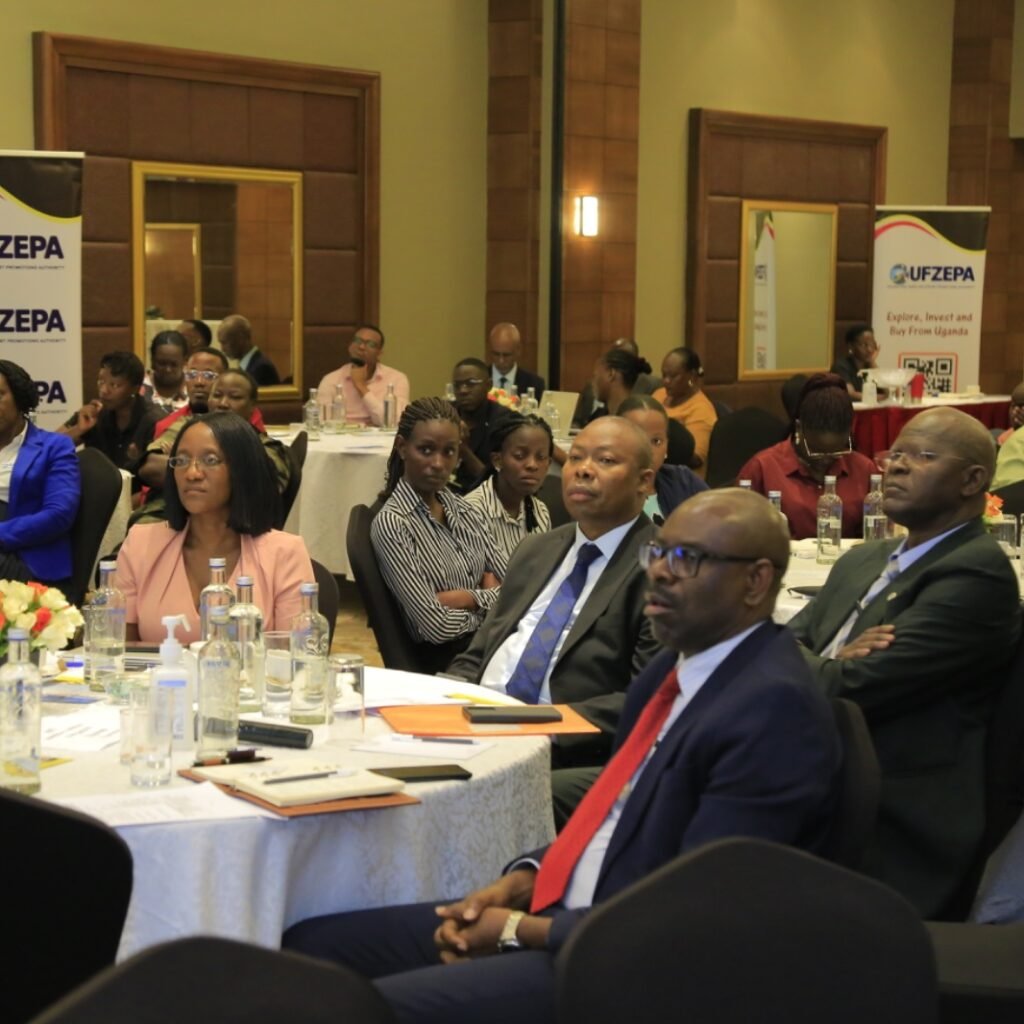
The training, held at Sheraton Kampala Hotel, brought together exporters, regulators, development partners, and private sector stakeholders to strengthen understanding of compliance obligations under the United Kingdom’s retained Regulation 2019/1793, which imposes enhanced inspection, testing, and certification requirements for selected agricultural exports.
The initiative is intended to reduce export rejections, improve food safety compliance, and strengthen Uganda’s access to high-value international markets.
Officials said the workshop focused on equipping exporters with practical knowledge on food safety standards, traceability systems, phytosanitary certification, and quality assurance processes required to meet UK import conditions.
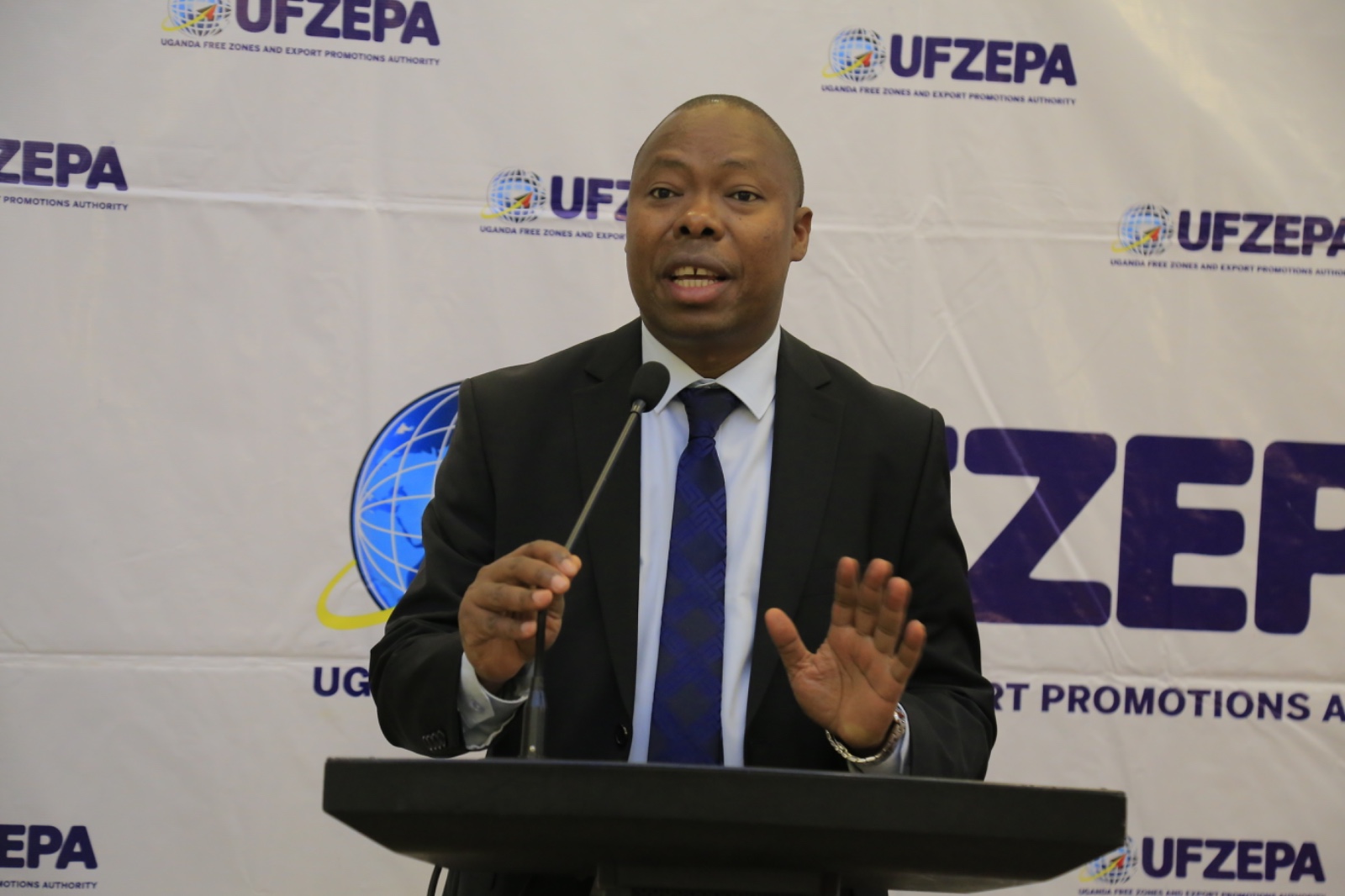
Speaking on behalf of the Permanent Secretary at the Ministry of Trade, Industry and Cooperatives, Mr. Deogratius Masagazi said Uganda’s export performance has grown significantly but must be matched with stronger compliance to sustain international competitiveness.
“Uganda’s exports of goods and services have grown significantly over the last five years, reaching USD 18.04 billion in the twelve months to March 2026,” Masagazi said.
“Sustaining this momentum requires continuous investment in quality, standards and compliance. Access to international markets is increasingly determined by our ability to meet stringent market requirements and consistently deliver quality products.”
He added that export growth remains central to Uganda’s broader economic transformation agenda, which targets a tenfold expansion of the economy by 2040 through industrialization, value addition, and expanded global trade participation.
UFZEPA Executive Director Mr. Hez Kimoomi Alinda said compliance should be viewed not as a regulatory burden, but as a competitive advantage that protects Uganda’s reputation in global markets.
“Capsicum and sesame are strategic export products that support thousands of farmers, aggregators, processors and exporters across Uganda,” Alinda said.
“Every export consignment leaving Uganda carries the reputation of our country. A single interception at a foreign border can affect buyer confidence and market opportunities.”
He added that UFZEPA is strengthening exporter readiness through market intelligence, capacity building, business matchmaking, and targeted interventions aimed at reducing risks along the export chain.
Representing the British High Commission, Economist Ms. Christine Mugoya underscored the strength of the UK-Uganda trade relationship and the growing export opportunities available to Ugandan producers.
“The United Kingdom remains an important destination for Ugandan exports,” Mugoya said.
“Uganda’s exports to the UK reached approximately £475 million in 2025, demonstrating the strength and potential of our trading relationship. Compliance with food safety and quality requirements is critical to sustaining this growth.”
The workshop included technical presentations from experts at the United Kingdom’s Food Standards Agency, the Ministry of Agriculture, Animal Industry and Fisheries (Ministry of Agriculture, Animal Industry and Fisheries), the Uganda National Bureau of Standards (Uganda National Bureau of Standards), and the Directorate of Government Laboratory Services, alongside private sector representatives.
Discussions centered on export inspection procedures, laboratory testing, traceability systems, certification requirements, and measures to reduce border interceptions and export rejectiongs.
UFZEPA said the initiative forms part of broader efforts to strengthen Uganda’s export ecosystem, expand market access, and support export-led industrial growth.
