
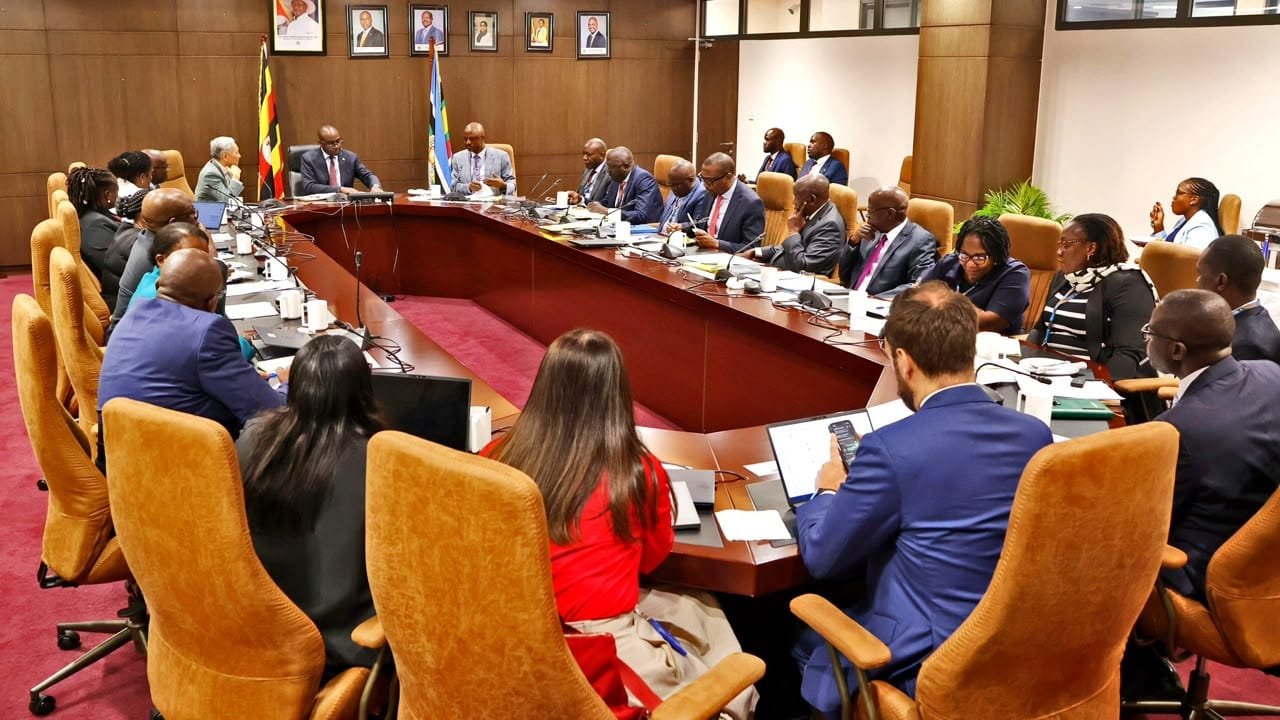
Uganda and the World Bank have agreed to tighten the approval of development projects by requiring proposed investments to pass through the Public Investment Management System (PIMS) before they can be considered for government or World Bank financing.
The agreement, reached on September 23 between Minister of State for Finance Henry Musasizi and World Bank Division Director for Uganda, Kenya, Somalia and Rwanda Qimiao Fan, comes as Uganda faces pressure to turn a growing development financing portfolio into projects that are implemented on time and deliver measurable results.
Uganda’s active World Bank portfolio is currently valued at about US$4.62 billion across 18 operations, but only about US$1.48 billion had been disbursed at the time of the recent Country Portfolio Performance Review. That means roughly US$3.14 billion remains undisbursed, putting greater attention on the country’s ability to move projects from approval and preparation into procurement, implementation and actual expenditure.
The new PIMS requirement is intended to address that gap before new projects enter the financing pipeline. Under the arrangement, proposed projects must complete the required appraisal stages under PIMS before being submitted for consideration by the Government or the World Bank Board. The system is designed to assess public investments from project identification and preparation through appraisal, implementation, monitoring and evaluation.
Musasizi said the framework should improve efficiency and address Uganda’s persistent problem of slow absorption of development funds. The issue is not simply the availability of financing. A recent portfolio review found that project implementation has been affected by delays involving procurement, project designs, land acquisition, counterpart funding, approvals and contract management.
The World Bank has therefore been pressing Uganda to shorten the time between project preparation, government approvals, negotiations, procurement and implementation. For a country seeking to accelerate infrastructure development and economic transformation, the distinction between money committed and money actually deployed is significant.
A financing commitment does not automatically translate into a completed road, electricity project, irrigation scheme, urban facility or public service. Funds have to move through a series of preparation, approval, procurement and implementation stages before the intended economic benefits can materialise.
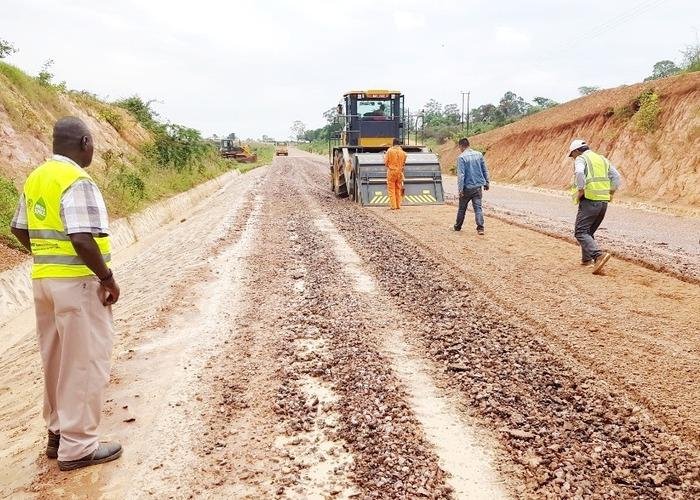
The World Bank has also expanded its financial commitments to Uganda in recent years. Qimiao Fan said the Bank had added almost US$2 billion in new commitments to the country’s portfolio over the past two years. The size of the portfolio therefore makes implementation capacity increasingly important.
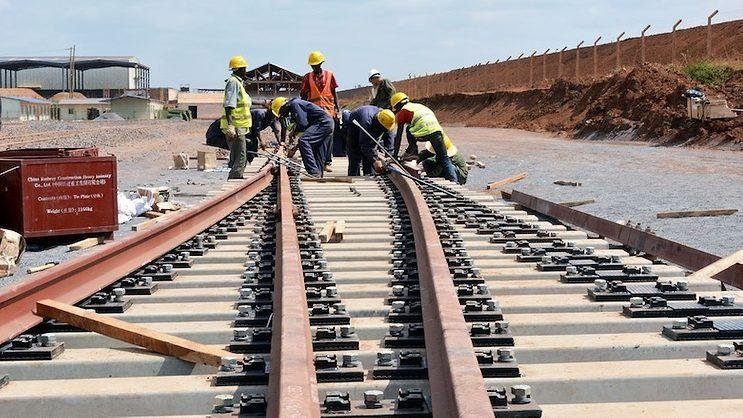
Under the new approach, Uganda’s development priorities will also play a larger role in determining which projects move forward. Musasizi identified the standard gauge railway, electricity generation and transmission, irrigation and value addition as current government priorities. Projects seeking financing will be expected to align with the national development agenda. That alignment is particularly relevant as Uganda pursues its Tenfold Growth Strategy and seeks to expand infrastructure and productive capacity.
The World Bank and government are also discussing a proposed US$500 million Development Policy Operation intended to support the strategy. Other initiatives under discussion include the second Uganda Intergovernmental Fiscal Transfers programme, the revised INVITE programme and infrastructure investments in Greater Kampala.
However, the stricter front-end approval process will have to solve a delicate problem of its own. PIMS is intended to improve the quality and discipline of public investment decisions, but additional appraisal requirements could create another layer of administration if the system is not accompanied by faster decision-making within government agencies.
The World Bank’s message has therefore been two-sided: Uganda needs stronger project preparation and financial discipline, but it also needs to move projects through the system faster. Permanent Secretary and Secretary to the Treasury Ramathan Ggoobi has similarly called for a balance between prudence and speed, saying implementing agencies and the Development Committee must ensure that projects produce tangible and sustainable results.
The challenge is particularly pressing for projects already in the portfolio. The Finance Ministry has said nine World Bank-supported projects are scheduled to close in 2027 and 2028, meaning delays could leave less time to use available financing. Government has indicated that persistently underperforming projects could face restructuring, scaling down or cancellation, while extensions would be reserved for essential contractual obligations. (Finance Uganda)
This puts Uganda’s new PIMS requirement in a broader context. The objective is not simply to prevent poorly prepared projects from receiving financing. It is also to improve the entire chain through which public investment moves, from selecting viable projects to securing approvals, procuring contractors, releasing funds and completing works.
With more than US$3 billion of Uganda’s current World Bank portfolio still undisbursed, the effectiveness of the new system will ultimately be measured by what happens after approval. For Uganda, the immediate test is whether stronger project gatekeeping can be combined with faster implementation. If it can, the country could convert a larger share of its existing development financing into infrastructure, services and productive investments. If the bottlenecks remain further down the chain, however, stricter project preparation alone will not solve the absorption problem.
The policy therefore marks a shift from simply securing development financing to putting greater emphasis on the quality, readiness and delivery of the investments behind it.
