
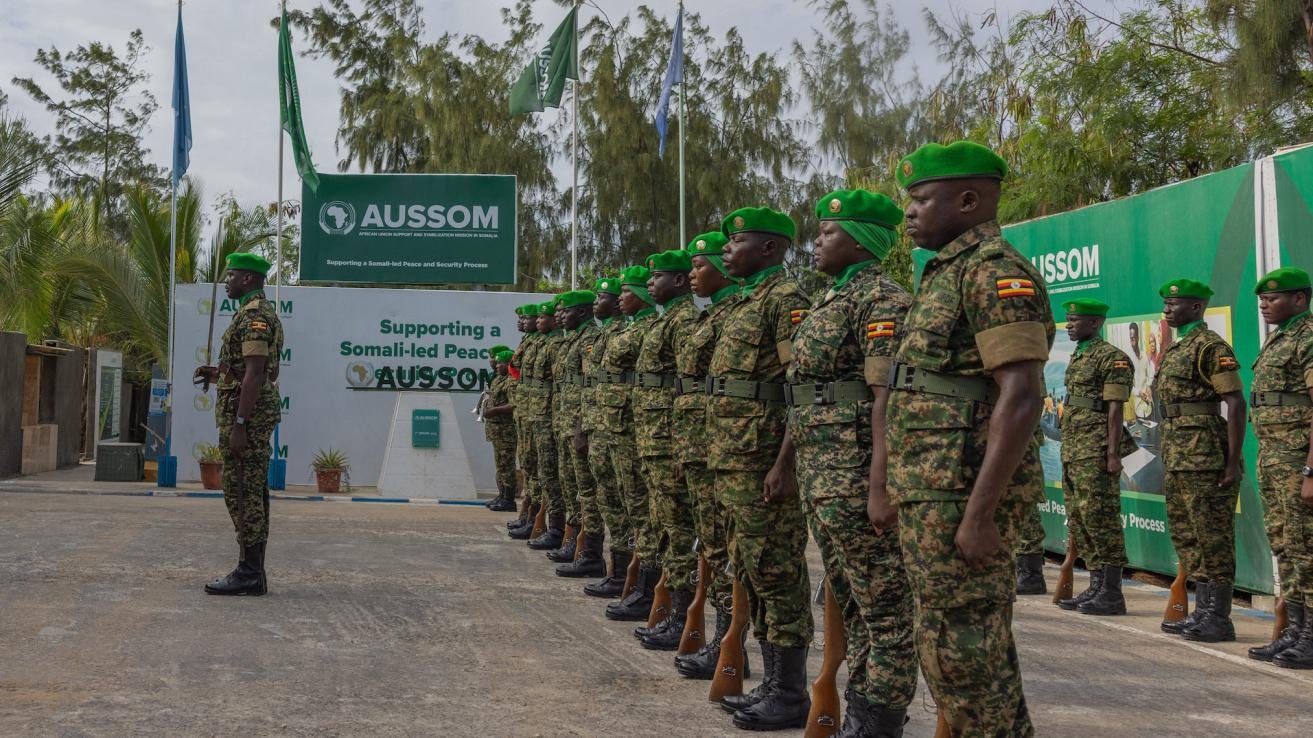
The United States has given the United Nations another year to wind down its logistical support for the African Union Support and Stabilization Mission in Somalia (AUSSOM), easing the immediate threat of a funding cliff but leaving the mission facing a difficult question over how its operations will be financed beyond 2027.
Washington had been preparing to end support for the United Nations Support Office in Somalia (UNSOS) from January 2027. The office provides critical logistical services to African Union forces operating in Somalia, including food, fuel and medical support.
The new arrangement allows a 12-month drawdown beginning in January 2027 before the eventual closure of UNSOS. The decision gives Somalia, the African Union and troop-contributing countries additional time to develop alternative arrangements, but it does not amount to a long-term financing commitment from the United States. UNSOS has an annual budget of about $500 million, making the American position significant for a mission whose operations depend heavily on international logistical support.
The shift comes after Washington had warned that it would no longer finance what it considers an open-ended international support structure for Somalia. The United States has also pointed to its broader bilateral assistance to Somalia, estimated at nearly $2 billion, while pressing for greater responsibility by the Somali government and its national security forces.
For AUSSOM, the issue is therefore not simply the loss of money. It is the potential loss of the logistical infrastructure that allows African troops to operate across a large and difficult security environment. AUSSOM is tasked with supporting Somalia’s federal government in its fight against al-Shabaab while helping transfer greater responsibility for national security to Somali forces. Any reduction in logistical capacity could affect the ability of troop-contributing countries to sustain deployments, particularly in areas where infrastructure and supply chains remain limited.
The financing question has consequently moved to the centre of diplomatic discussions surrounding Somalia at the 81st United Nations General Assembly in New York. Somali President Hassan Sheikh Mohamud has been holding discussions with UN leadership on security and international support, as Mogadishu seeks a sustainable framework for financing AUSSOM beyond the current arrangements.
The African Union has also continued to push for predictable financing for African-led peace support operations. On the margins of UNGA 81, AU Commission Chairperson Mahmoud Ali Youssouf met Uganda’s Foreign Minister Adonia Ayebare and discussed the security situation in the region. The AU said the two sides underscored the importance of sustainable and predictable financing for African-led peace support operations.
The discussions follow an extraordinary summit of AUSSOM troop-contributing countries held in Kampala in July. Uganda hosted the summit involving the countries contributing troops to the mission, including Burundi, Djibouti, Egypt, Ethiopia, Kenya and Uganda, alongside Somalia and representatives of the African Union and United Nations.
The meeting reflected growing concern among troop-contributing countries about the sustainability of the mission as international financing arrangements change. Uganda has a particularly large stake in the debate because its forces have been deployed in Somalia for years and remain part of the African Union’s security effort against al-Shabaab.
The Kampala summit sought to sustain the stabilisation process in Somalia and strengthen coordination among troop-contributing countries. The gathering also provided a platform for African governments to consider how the mission could operate as external financing arrangements become less certain.
Egypt’s involvement is another development to watch. Egyptian Foreign Minister Badr Abdelatty has held discussions with Somali officials on the margins of the UN General Assembly, while Egypt has also reaffirmed its willingness to contribute to African efforts aimed at strengthening security and stability in Somalia.
The broader diplomatic movement points to an increasingly important question for AUSSOM: whether African-led security operations can develop a financing structure that is less dependent on a single external donor.
The United States’ one-year extension buys time, but it does not remove that structural problem. For Somalia, the transition also comes at a sensitive stage in its fight against al-Shabaab. The government is seeking to strengthen its own security institutions while relying on international and African partners to maintain pressure on the militant group.
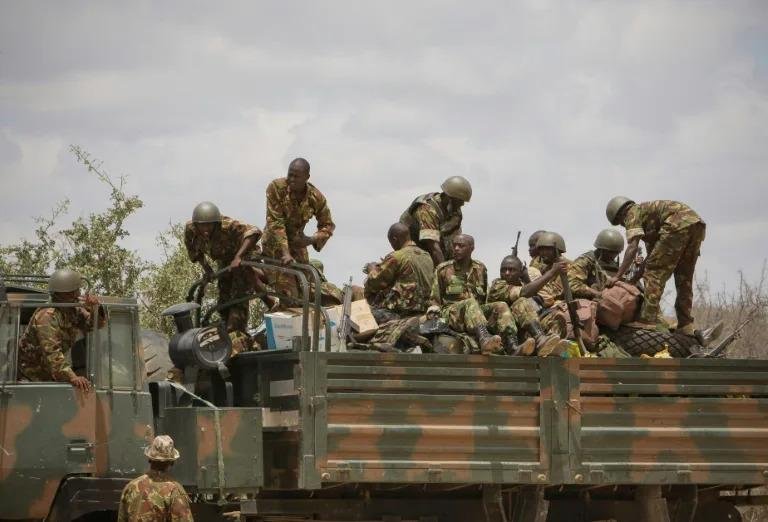
For Uganda and the other troop-contributing countries, the challenge is equally practical. Sustaining troops requires reliable supplies, transport, medical evacuation, equipment and financing. A reduction in those systems could increase the operational and financial burden on countries already contributing personnel and resources.
The next year will therefore be less about whether AUSSOM can survive the December 2026 deadline and more about whether Somalia and its international partners can build a financing model capable of sustaining the mission after the UNSOS drawdown. The immediate cliff has been pushed back to 2027. The funding question, however, remains.
