
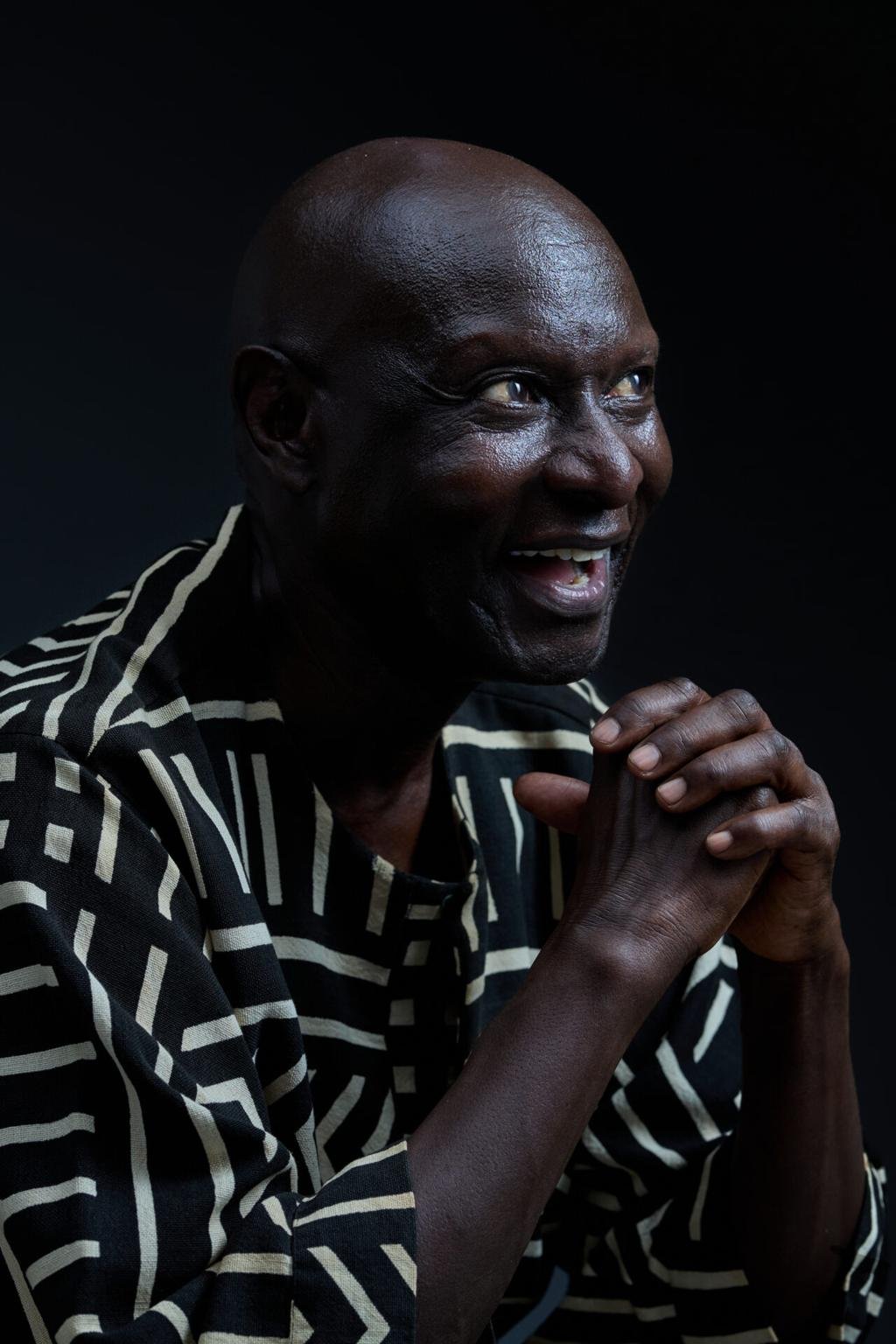
Uganda’s campaign to place veteran diplomat Olara Otunnu in the United Nations’ top job has entered a more intensive diplomatic phase, with the Ugandan candidate stepping up engagements with countries whose support will be important in the final selection of the next UN Secretary-General.
Otunnu was formally nominated by Uganda on July 24 to succeed António Guterres, whose second term ends on December 31, 2026. The United Nations lists him among the candidates being considered through a process led by the Security Council before the General Assembly makes the final appointment.
With the selection process already underway, Otunnu has been taking his campaign beyond New York. In September, he travelled to several diplomatic capitals, including Moscow, Paris, London, Athens and Riga, as he seeks to present his platform to governments involved in the selection process.
One of the most significant engagements came in Moscow on September 14, when Otunnu met Russian Foreign Minister Sergey Lavrov. Russia is one of the five permanent members of the Security Council, alongside China, France, the United Kingdom and the United States. Each has veto power over a Council recommendation.
The Russian Foreign Ministry said Lavrov discussed with Otunnu the requirements of the Russian side for candidates seeking the UN’s top post, while both sides reaffirmed the UN’s central coordinating role in international affairs. The Moscow meeting forms part of a broader campaign strategy. The EastAfrican reported that Otunnu has also travelled to Islamabad, Riyadh, Paris, London, Athens and Riga, although he had not yet visited Washington or Beijing as of September 20.
The diplomatic outreach comes as the contest moves through Security Council straw polls. The polls are informal and confidential, with members indicating whether they encourage, discourage or have no opinion on individual candidates. The process is intended to help the Council narrow the field before reaching a recommendation to the General Assembly.
Otunnu’s campaign is built around a call for extensive reform of the UN system. During his August 19 interactive dialogue with UN member states and civil society representatives, he argued that reform should become a continuous feature of the organisation rather than a temporary exercise. He also called for stronger institutional efficiency, greater representation of developing countries and renewed attention to the UN Charter’s three pillars of peace and security, development and human rights.
Artificial intelligence is another component of his platform. Otunnu has proposed creating a dedicated mechanism within the UN to help govern AI and ensure that its benefits are broadly shared. His campaign also identifies conflicts including Ukraine, Gaza, Sudan and the Democratic Republic of Congo as areas requiring diplomatic engagement.
His experience inside the UN system is central to the campaign. Otunnu previously served as UN Under-Secretary-General and Special Representative for Children and Armed Conflict, where his work helped place the protection of children affected by armed conflict more firmly on the Security Council agenda.
Uganda has also been seeking political support at home. Opposition leader Robert Kyagulanyi, popularly known as Bobi Wine, publicly endorsed Otunnu’s candidacy in August, describing his international record as a source of national pride. The endorsement was notable because it came from a leading opposition figure while Otunnu’s nomination is officially backed by the Ugandan government.
However, the diplomatic contest remains open. Following the withdrawal of former Chilean President Michelle Bachelet on September 20, seven candidates remain in the field: Otunnu, former Senegalese President Macky Sall, Argentina’s Rafael Mariano Grossi, Costa Rica’s Rebeca Grynspan, Ecuador’s María Fernanda Espinosa Garcés, Guyana’s Carolyn Rodrigues-Birkett and Ecuador’s Ivonne A-Baki. (Reuters)
The latest publicly reported straw poll before Bachelet’s withdrawal placed Grynspan ahead, but the confidential process does not determine the final outcome. The decisive stage will require a candidate to secure sufficient Security Council support without being blocked by any of the five permanent members.
For Uganda, the campaign therefore extends beyond securing individual endorsements. It is an effort to build enough diplomatic consensus around an African candidate whose platform centres on UN reform, conflict mediation, development and the organisation’s role in addressing emerging global challenges. The selection of Guterres’s successor is expected to be completed before the current Secretary-General’s term expires at the end of December, with the new office-holder taking over on January 1, 2027.
