
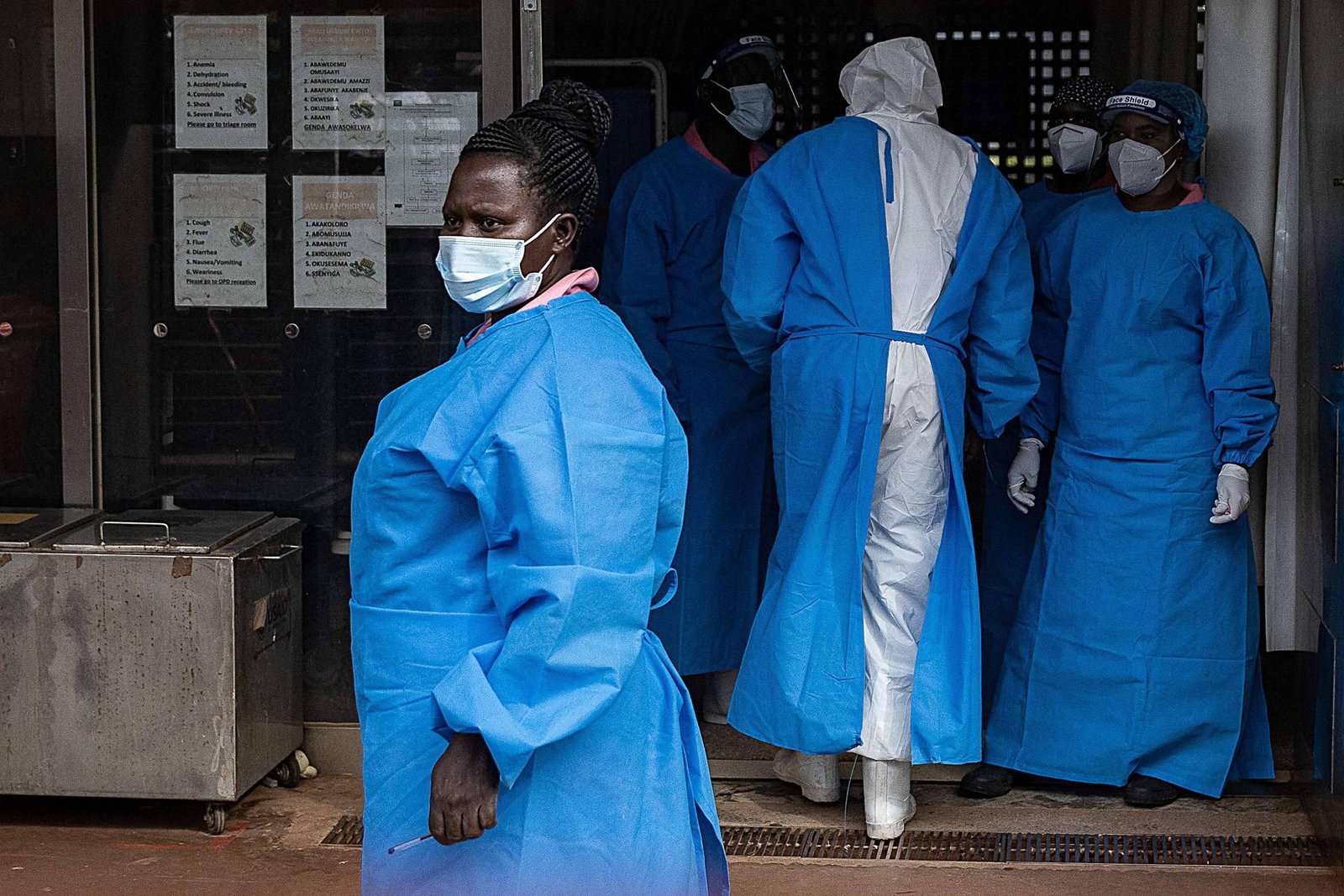
As Uganda’s last confirmed Ebola patient walked out of Mulago National Referral Hospital after making a full recovery, the moment symbolized more than the end of a medical journey. It marked the beginning of the country’s final push toward Ebola-free status and offered fresh evidence that Uganda’s investment in public health has become an important pillar of its economic resilience.
The patient’s discharge officially starts the World Health Organization’s (WHO) mandatory 42-day observation period before Uganda can be declared Ebola-free, provided no new infections emerge. While health authorities will maintain heightened surveillance throughout the monitoring period, the milestone already represents a significant achievement for a country that has repeatedly demonstrated its ability to contain dangerous infectious diseases before they evolve into national crises.
For the business community, however, the significance extends well beyond healthcare. Uganda’s successful containment of the Bundibugyo strain of Ebola is a demonstration of institutional resilience that strengthens investor confidence, protects regional trade, supports tourism and reinforces the country’s reputation as a stable destination for business and investment.
The outbreak originated from cross-border transmission linked to the Democratic Republic of Congo, where the Bundibugyo strain has fueled a much larger health emergency. Unlike the Zaire strain of Ebola, which has approved vaccines, the Bundibugyo strain has limited licensed medical countermeasures, placing greater emphasis on surveillance, rapid diagnosis, contact tracing and effective case management.
Despite the heightened regional risk, Uganda succeeded in limiting domestic transmission to 20 confirmed cases while recording two deaths. Health authorities rapidly identified suspected cases, isolated patients, conducted laboratory testing and monitored hundreds of contacts, preventing widespread community transmission.
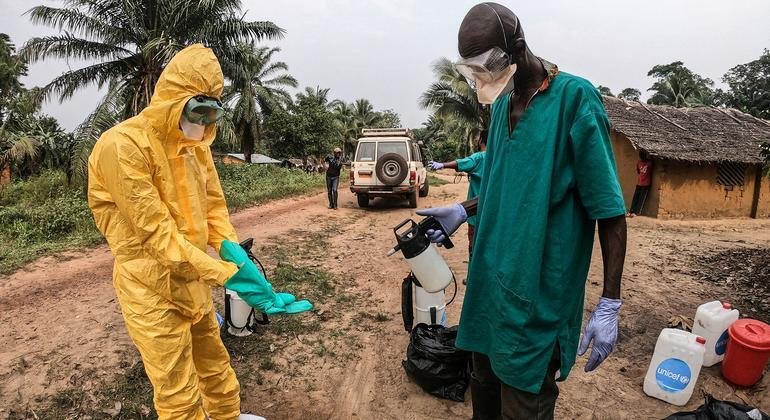
The response reflects years of investment in outbreak preparedness following previous Ebola and Marburg virus outbreaks. Enhanced laboratory capacity, trained emergency response teams, stronger surveillance systems and close coordination with international partners enabled authorities to move quickly and contain the outbreak before it caused widespread disruption.
That success carries significant economic value.
Disease outbreaks have consequences that extend far beyond hospitals. They influence investor sentiment, interrupt supply chains, reduce tourism arrivals and increase operational uncertainty for businesses. Even limited outbreaks can trigger travel advisories, postpone investment decisions and slow regional commerce as governments and companies introduce precautionary measures.
Uganda’s rapid response helped prevent those outcomes.
For investors, the country’s handling of the outbreak demonstrates strong institutional capacity and effective crisis management. In today’s global economy, where geopolitical tensions, climate events and health emergencies increasingly influence investment decisions, resilience has become a competitive advantage. Businesses are placing greater value on markets that can respond effectively to unexpected disruptions while maintaining economic stability.
Uganda’s response reinforces that confidence.
The tourism industry also stands to benefit from the country’s progress toward Ebola-free status. Tourism remains one of Uganda’s leading foreign exchange earners, supporting thousands of jobs across hospitality, transport and conservation. Disease outbreaks often discourage international travel regardless of the actual level of risk, leading to cancellations and declining visitor numbers. Successfully containing the outbreak sends a reassuring message that Uganda remains a safe destination for leisure travel, conferences and business events.

Regional trade is another area where the economic benefits are likely to be felt.
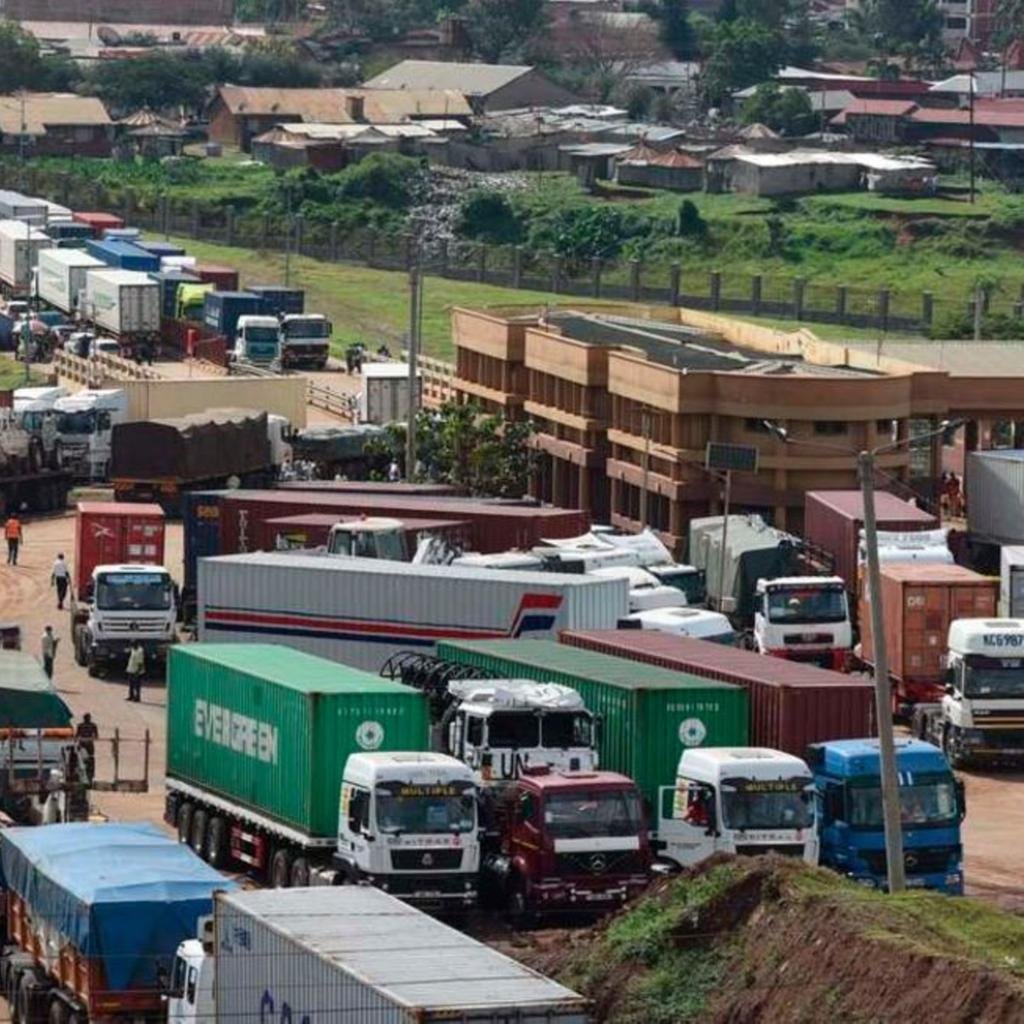
Uganda serves as a vital transport and logistics hub connecting East and Central Africa. Prolonged health emergencies can delay cargo movement, increase border inspections and disrupt supply chains that support manufacturers, exporters and importers across the region. By containing the outbreak quickly, Uganda has helped preserve confidence in its trade corridors and ensured that regional commerce continues with minimal disruption.
The outbreak also reinforces a broader lesson that policymakers and business leaders increasingly recognize. Public health systems should not be viewed solely as social infrastructure. They are strategic economic assets that protect labour markets, sustain productivity and reduce the financial cost of emergencies.
Every investment in disease surveillance, laboratory infrastructure and emergency preparedness strengthens a country’s ability to respond to future shocks while minimizing disruption to businesses and communities. Uganda’s experience demonstrates that effective health systems contribute directly to economic resilience and long-term competitiveness.
Regional cooperation also played a crucial role in the successful response. Given the extensive movement of people and goods between Uganda and the Democratic Republic of Congo, coordinated surveillance, information sharing and cross-border collaboration were essential in limiting transmission. Partnerships with the World Health Organization, Africa CDC and neighboring countries strengthened Uganda’s response while helping safeguard regional economic stability.
Although Uganda has reached a significant milestone, the outbreak response is not yet complete. Under WHO guidelines, an Ebola outbreak can only be declared over after 42 consecutive days without a new confirmed case. During this period, health authorities will continue surveillance and maintain rapid response teams to ensure that any suspected infections are identified and investigated immediately.
If no additional cases emerge, Uganda will once again be officially declared Ebola-free.
For businesses and investors, the milestone represents more than the conclusion of a health emergency. It demonstrates that Uganda possesses the institutional capacity to manage complex crises while safeguarding economic activity. In an increasingly interconnected world, where health security and economic security are closely linked, that capability has become an important investment advantage.
Uganda’s successful containment of the latest Ebola outbreak offers a powerful reminder that strong public health systems do more than save lives. They preserve confidence, protect trade, sustain tourism and create the stable environment that businesses and investors need to thrive. As the country begins its 42-day countdown, it is also strengthening its reputation as one of Africa’s most resilient and investment-ready economies.
