
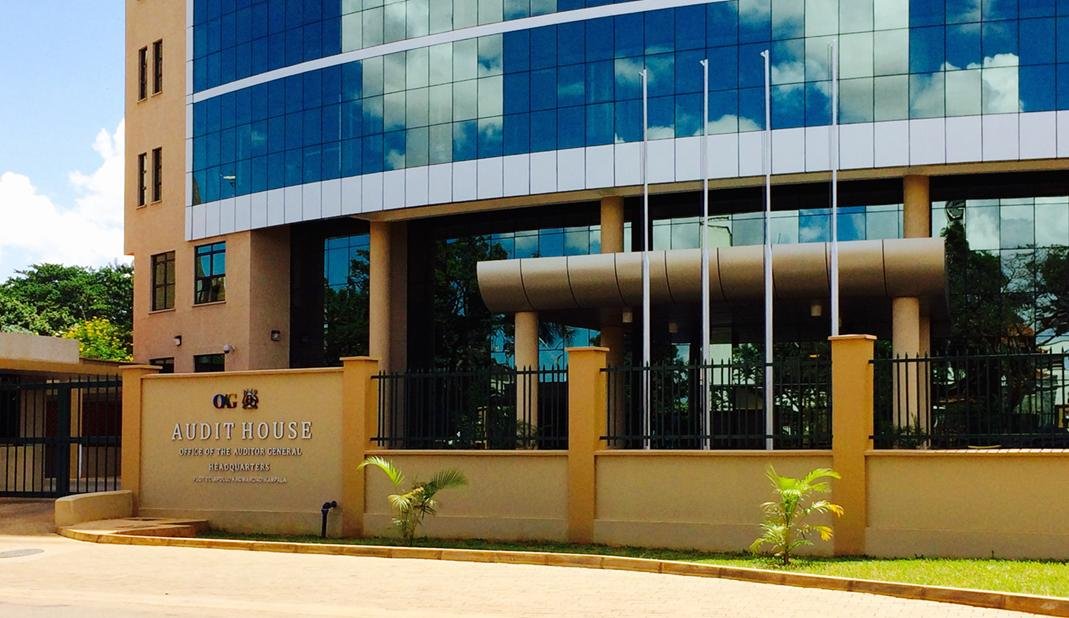
Uganda’s public watchdog exposes billions in waste every year. But almost nobody asks who checks the checker, and that gap should worry every investor, taxpayer, and business owner in the country.
Every January, Uganda’s Auditor General hands Parliament a report that ripples through the economy for months. Recent reports have highlighted Shs31.2 billion paid out to pensioners who were not entitled to it. A few months later, his office was tracing Shs60 billion that vanished from the Bank of Uganda after hackers breached the treasury payment system, a report so damning that Parliament sent it straight to the Directorate of Criminal Investigations rather than debate it first. Then came the roads: a 23.6-kilometre highway from Busega to Mpigi whose cost ballooned from Shs600 billion to Shs1.3 trillion, and unpaid contractor arrears of nearly Shs99 billion sitting on the books when the President finally fired the engineers responsible.
Given how much weight rests on this one office, there’s a natural question worth asking: who checks the checker?
The job, in plain terms
Strip away the legal language, and the Auditor General does one thing: follow the money on behalf of 46 million Ugandans who cannot personally inspect a government ledger.
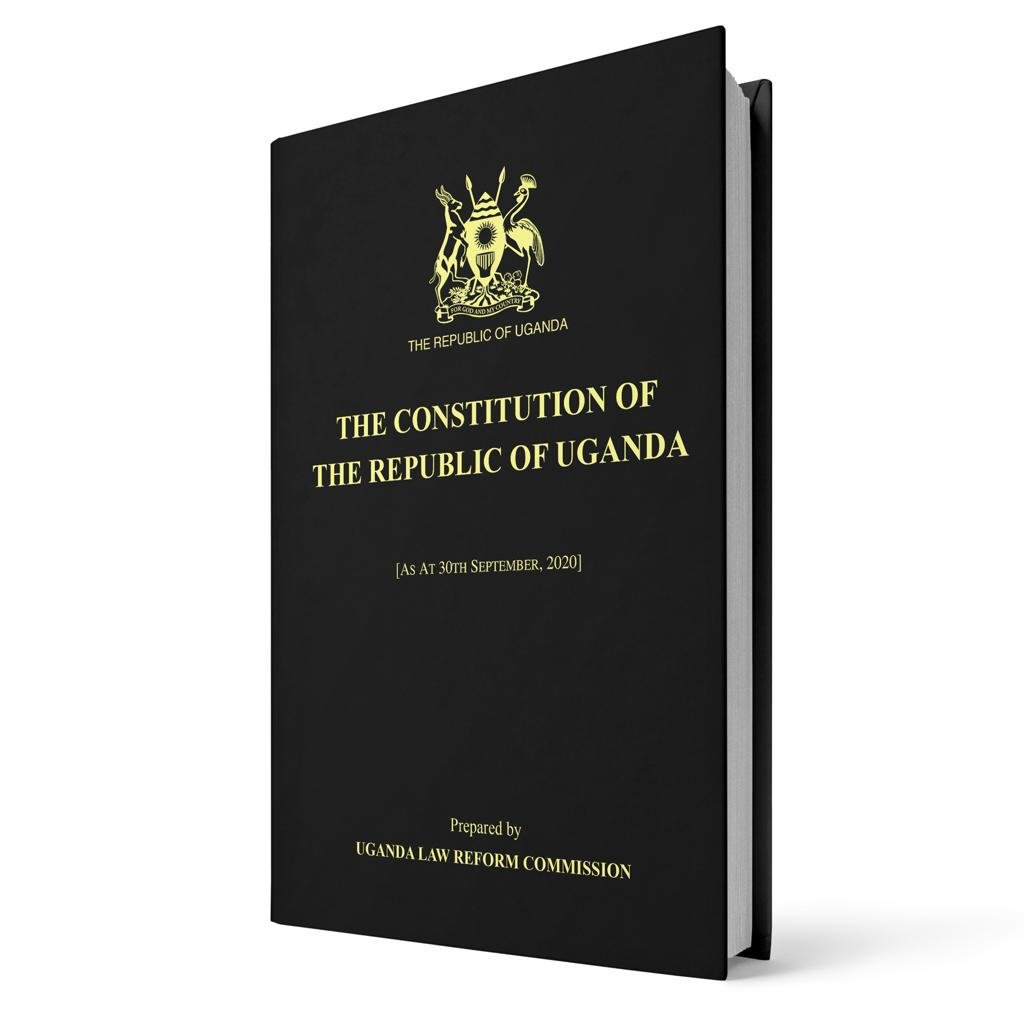
The office is created by Article 163 of the Constitution, backed by the National Audit Act, 2008, and reinforced by the Public Finance Management Act, 2015. Under this mandate, the Auditor General audits every ministry, court, local government, public university, and state corporation that handles public funds, then reports the findings to Parliament each year, publicly.
The office carries out four main types of audit:
Financial audits: Confirming the numbers in government accounts are accurate.
Compliance audits: Checking that spending followed the law and the budget Parliament approved.
Value-for-money audits: Assessing whether public money produced the results it was meant to.
Forensic audits: Targeted investigations, usually ordered by Parliament, into specific concerns.
By design, the Auditor General answers to no minister and takes instructions from no one. Appointed by the President with Parliament’s approval, and removable only through a rigorous constitutional process, the office is built to operate independently of the government it audits, because an auditor who can be pressured is not much of an auditor.
So, who audits the Auditor General?
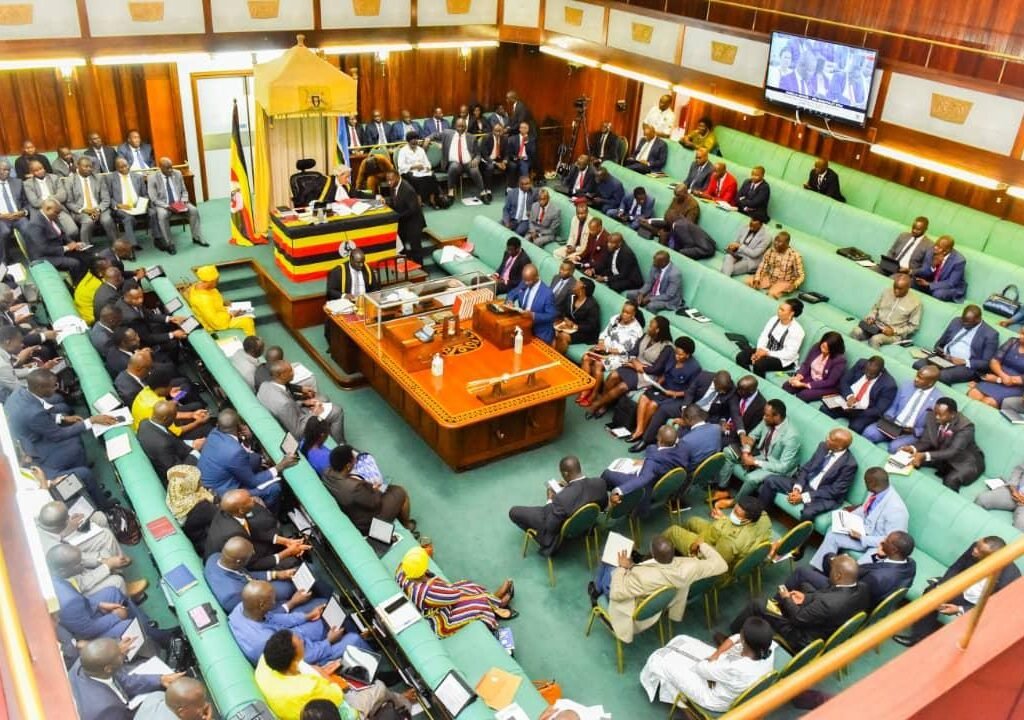
The Constitution and the law both give a clear answer. Article 163(9) and Section 36(1) of the National Audit Act, 2008, require that the OAG’s own accounts be audited every year, not by the Auditor General’s own staff and not by the executive, but by an external auditor appointed by Parliament.
It’s a deliberately clean arrangement: the institution that scrutinizes every other arm of government is itself scrutinized by an independent outsider chosen by the legislature, closing the loop on accountability rather than leaving the OAG to grade its own homework.
This mirrors how oversight tends to work for independent institutions generally, such as a central bank, a judiciary, or an electoral commission. The body needs enough independence to do its job without political interference, paired with a narrow, specific check, usually from the legislature, that keeps its own operations transparent.
“Independence builds trust, but lasting confidence comes when even the watchdog is subject to independent oversight.”
Why this is worth understanding as a business matter
This isn’t just a governance footnote. It’s part of what makes public financial information usable for business decisions.
Credible audits are the foundation of investor confidence. Sovereign credit assessments, development financing terms, and business planning around government contracts all rely on public accounts meaning what they say. An audit system that is itself subject to a transparent check reinforces the reliability of everything it reports.
Businesses that work with government, as contractors, suppliers, or partners on donor-funded projects, depend on this reporting chain to function well. Clear, trusted audit findings help ensure that budgeting, procurement, and payment cycles are grounded in accurate information, which, in turn, supports a more predictable environment for doing business with the public sector.
It’s also a governance model businesses can learn from. The layered approach, an independent auditor with a specific, narrow external check on itself, is a useful template for how any organization thinks about oversight: strong independence to do the job properly, paired with accountability to prevent independence from becoming unchecked.
The bottom line
Uganda’s Auditor General plays a role that few institutions in the country can match in terms of economic significance, producing the annual account of how public resources were used. The answer to “who audits the auditor” turns out to be straightforward: Parliament appoints an external auditor to review the OAG’s own books each year, closing the loop and reinforcing the credibility of the office’s work.
For businesses, investors, and everyday taxpayers, that closed loop is part of why the Auditor General’s reports carry the weight they do, and why they’re worth reading each January.
