
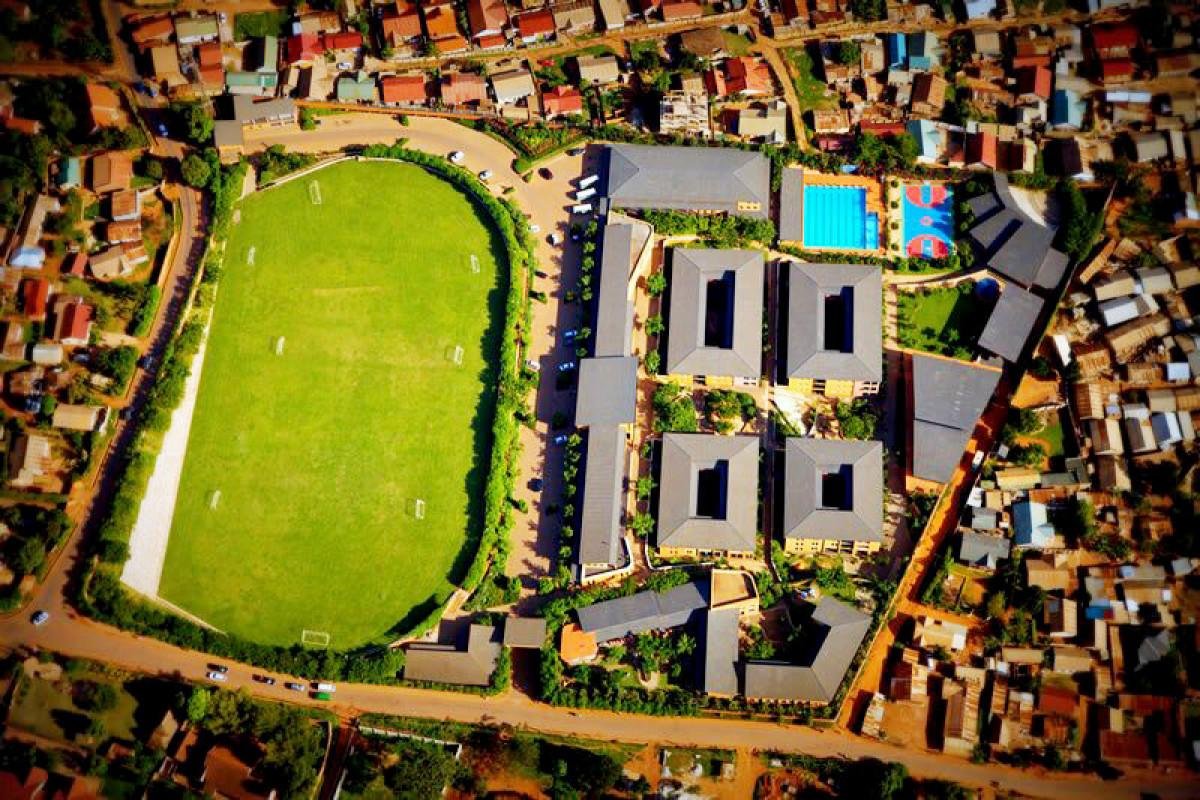
Across Uganda’s rapidly expanding suburbs, a quiet investment trend is taking shape. School construction is increasingly being viewed not simply as an education venture but as a strategic real estate investment capable of generating long-term capital appreciation alongside recurring income.
From Wakiso and Mukono to Kira, Najjera and other fast-growing residential corridors around Kampala, private developers are acquiring land and building purpose-built schools to serve the country’s growing urban population. The investment is capital intensive and requires patience, but industry observers say it offers a unique combination of appreciating property values and relatively stable cash flows from an essential service.
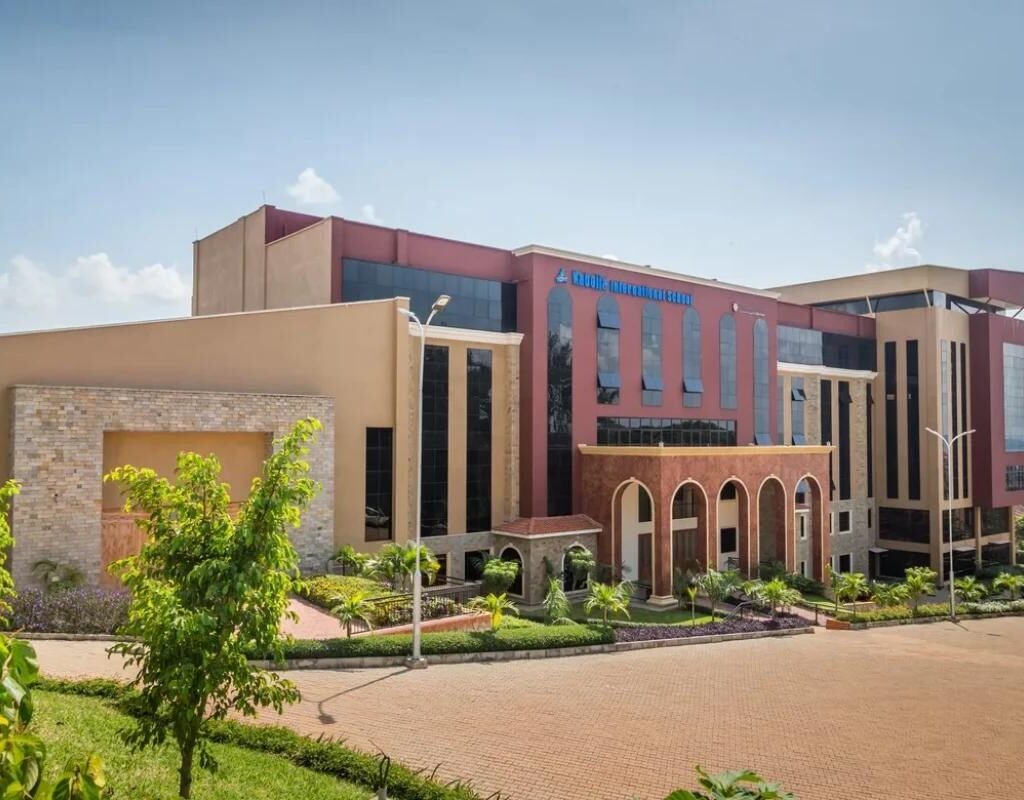
The opportunity is being driven by powerful demographic and economic fundamentals. Uganda remains one of the world’s youngest countries, with a rapidly growing population and an expanding urban middle class. As thousands of young families relocate to newly developed housing estates around Kampala, demand for quality education continues to outpace the expansion of public school infrastructure.
According to the Uganda Bureau of Statistics (UBOS) Baseline Education Census 2025, Uganda has more than 88,000 schools serving over 13.5 million learners. Private institutions dominate the sector, accounting for more than 71 percent of primary schools and 73 percent of secondary schools nationwide. While government continues investing in education infrastructure, private operators are increasingly filling the capacity gap, particularly in urban and peri-urban communities where population growth has been strongest.
However, entering the sector requires substantial capital.
Land remains one of the biggest expenses. In prime growth areas such as Kira, Najjera and parts of Wakiso and Mukono, suitable plots for school development typically cost between UGX250 million and UGX700 million, depending on accessibility, visibility, population density and surrounding residential developments. These locations have also recorded steady land appreciation over recent years, making the underlying property an attractive long-term asset independent of the school’s operations.
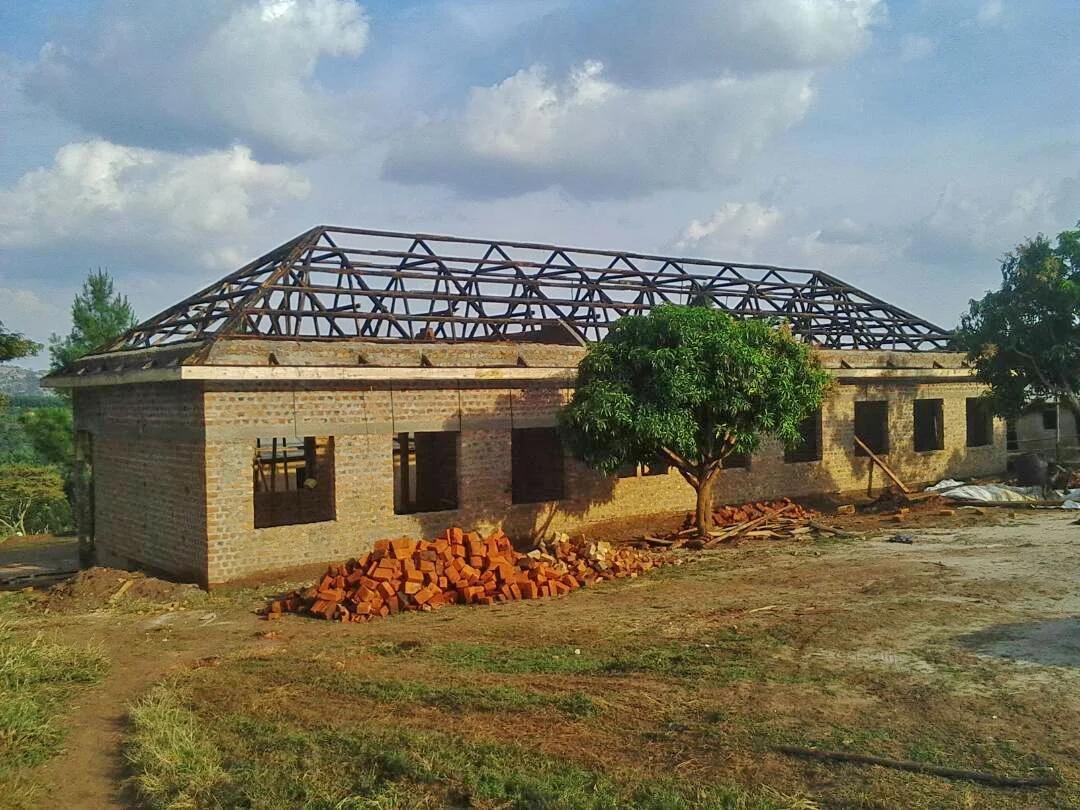
Construction costs add another significant financial commitment. Building a Ministry of Education-compliant classroom generally costs between UGX30 million and UGX50 million. By the time developers include administration blocks, sanitation facilities, playgrounds, fencing, utilities and other mandatory infrastructure, establishing even a modest private school can easily require an investment exceeding UGX600 million before admitting the first learner.
Once operational, revenue is primarily driven by student enrollment and fee structures.
In many peri-urban private schools, day scholars pay between UGX600,000 and UGX1.2 million per term. A school enrolling 300 students at an average fee of UGX800,000 per term can generate approximately UGX720 million in annual tuition revenue. Boarding schools present even greater earning potential, with fees commonly ranging between UGX1.5 million and UGX2.5 million per student per term, although these institutions also incur significantly higher operating expenses.
Despite attractive revenue projections, profitability is far from guaranteed.
Teacher salaries represent one of the largest recurring costs, ranging from about UGX400,000 per month for some primary school teachers to more than UGX4 million for experienced administrators and specialized secondary school educators. Additional expenses, including learning materials, maintenance, utilities, transport, food for boarding sections, security and regulatory compliance, can consume more than half of annual income.
Education investors also face irregular cash flows because school fees are typically collected at the beginning of each academic term, while operational expenses continue throughout the year. Delayed fee payments from parents can create liquidity challenges, particularly for newly established schools that are still building their enrollment base.
Industry participants note that patience is essential. Unlike commercial property developments that may generate quicker returns, schools often require five to eight years before delivering meaningful profits. During this period, operators must invest heavily in recruiting qualified teachers, improving academic performance and building trust among parents.
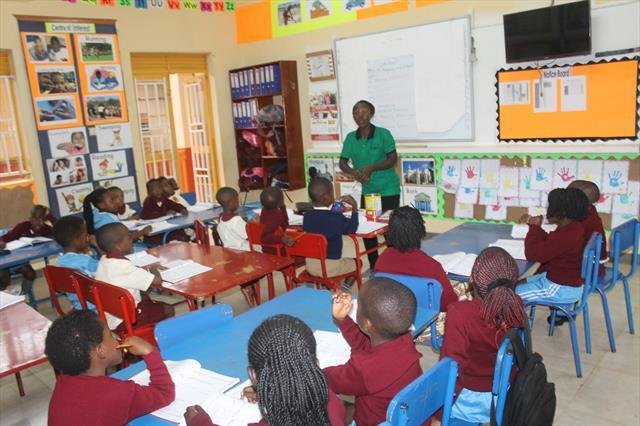
In the education sector, reputation often proves more valuable than physical infrastructure. Strong examination results, disciplined management and consistent learning outcomes typically attract higher enrollment than modern buildings alone. As a result, many successful schools spend years establishing their brand before reaching full capacity.
The sector also operates within a strict regulatory framework. Developers must secure appropriate land titles, obtain building approvals and comply with licensing requirements set by the Ministry of Education and Sports. Failure to meet prescribed standards can delay operations or lead to regulatory sanctions.
Nevertheless, investor interest continues to grow.
Rapid urbanisation, sustained population growth and rising household incomes continue to create strong demand for private education across Uganda’s emerging suburbs. New residential estates are expanding faster than public education infrastructure can be developed, leaving significant opportunities for private investment.
For long-term investors, the appeal lies in the combination of two valuable assets: appreciating real estate and predictable demand for an essential public service. Unlike many commercial property investments that rely solely on rental income, schools generate recurring operational revenue while the underlying land continues to gain value over time.
As Uganda seeks to harness its demographic dividend and improve educational outcomes, private investment is expected to play an increasingly important role in expanding access to quality learning facilities. For investors with sufficient capital, sound management and a long-term outlook, school construction is emerging as one of the country’s most resilient niche investment opportunities, positioned at the intersection of real estate, education and demographic growth.
