
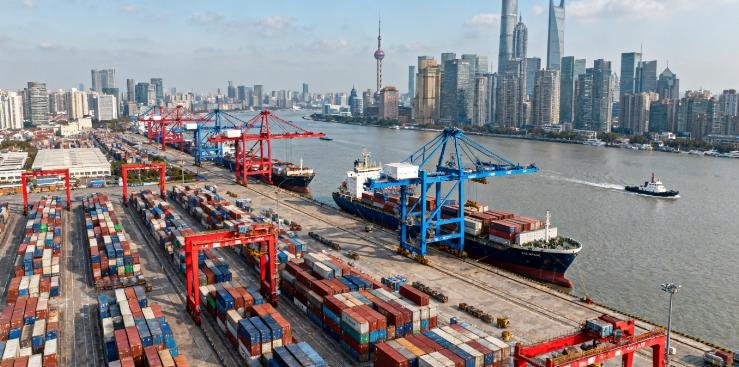
It sounds counterintuitive. A 20-foot container can travel nearly 8,000 kilometres from Shanghai, China, to the Port of Mombasa for less than the cost of moving the same container roughly 1,000 kilometres from Mombasa to Kampala.
The disparity reflects a structural weakness in East Africa’s logistics system. Ocean freight benefits from enormous economies of scale, while landlocked Uganda faces higher trucking costs, trade imbalances, border delays and additional transit charges along the Northern Corridor.
The first difference is transport efficiency. Modern container ships carry thousands of containers on a single voyage. Fuel, crew, and port expenses are spread across a huge volume of cargo, reducing the cost of transporting each container.
The journey from Mombasa to Kampala operates on a different cost structure. Uganda relies heavily on long-haul trucking along the Northern Corridor, with limited rail capacity available for freight. Trucks consume more fuel per unit of cargo and incur maintenance, driver, and road-related costs. Payloads are also constrained by regional axle-load regulations.
The imbalance becomes more pronounced when the cargo reaches Uganda. China exports enormous volumes of manufactured goods, giving shipping lines substantial outbound cargo volumes. On the Mombasa-Kampala route, Uganda imports far more containerised goods through Kenya than it exports along the same corridor. This creates the empty-backhaul problem.
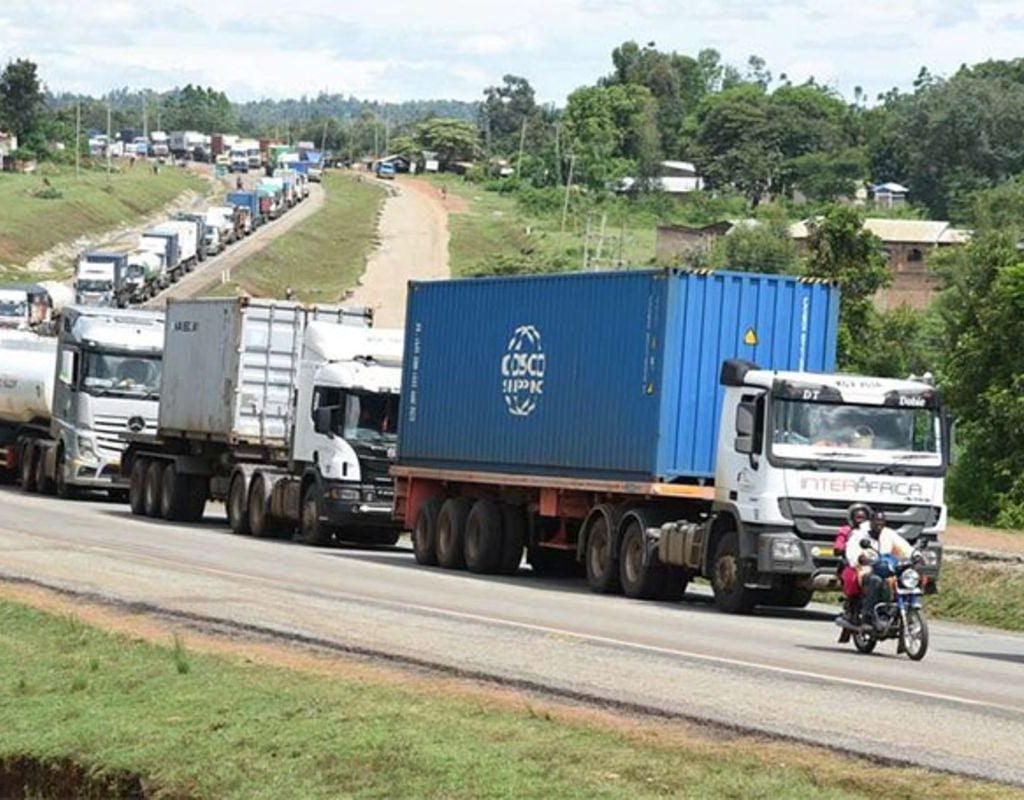
A truck delivering cargo from Mombasa to Kampala needs a return load to remain productive on both legs of the journey. When a suitable return shipment is unavailable, the operator still incurs fuel, driver, maintenance, and depreciation costs on the journey back to the coast. Those costs are reflected in the price charged for the initial trip to Uganda.
The Northern Corridor also carries costs that ocean freight largely avoids. Cargo travelling by road must pass through border procedures at points such as Malaba and Busia. Customs processing, inspections and administrative procedures can delay trucks for hours or longer, increasing costs for transporters.
Weighbridges and other regulatory requirements add further time and expense. Every hour a truck spends stationary represents lost revenue for the operator, who has to account for those costs when setting freight rates.
There are also security and compliance requirements associated with moving transit cargo inland. Electronic cargo tracking systems, transit guarantees and insurance arrangements add costs to shipments destined for Uganda. These measures serve important customs, security and revenue-protection functions, but they also contribute to the overall cost of moving goods along the corridor. The result is a logistics system in which distance alone does not determine freight costs.
The maritime journey from China benefits from scale and relatively uninterrupted movement between ports. The land journey from Mombasa to Kampala involves fuel, vehicle maintenance, border procedures, regulatory controls, security requirements, and the financial cost of returning trucks to the coast.
For Uganda, the implications extend beyond transport companies and importers. Higher logistics costs increase the landed cost of imported goods and raise expenses for businesses that depend on imported machinery, raw materials and consumer products. Reducing these costs therefore requires more than expanding roads.
Greater use of rail freight could reduce dependence on long-haul trucking. Continued development of the Standard Gauge Railway, alongside more efficient connections to Uganda, offers one route for lowering the cost of moving large volumes of cargo.
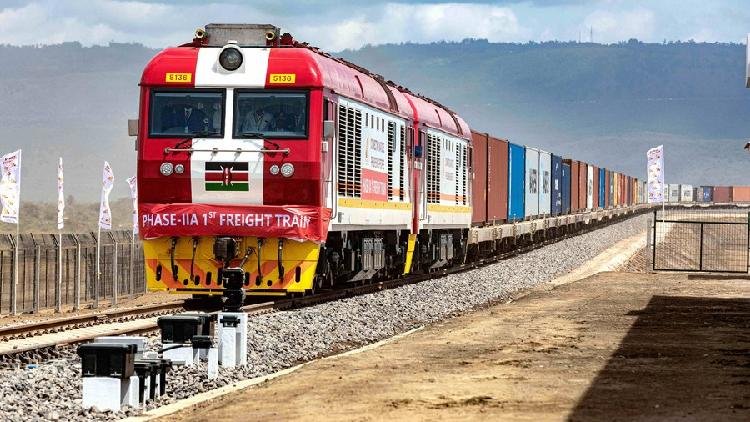
Customs reforms also remain important. The Single Customs Territory is intended to reduce duplication and simplify clearance procedures across participating East African countries, while faster processing at border crossings would reduce truck turnaround times. The economics are straightforward. A container travelling thousands of kilometres by sea benefits from scale, while cargo moving a fraction of that distance by road faces multiple costs at every stage.
Until East Africa reduces those costs, Uganda’s geographic disadvantage as a landlocked economy will continue to show up in the price of almost everything brought through Mombasa.
