
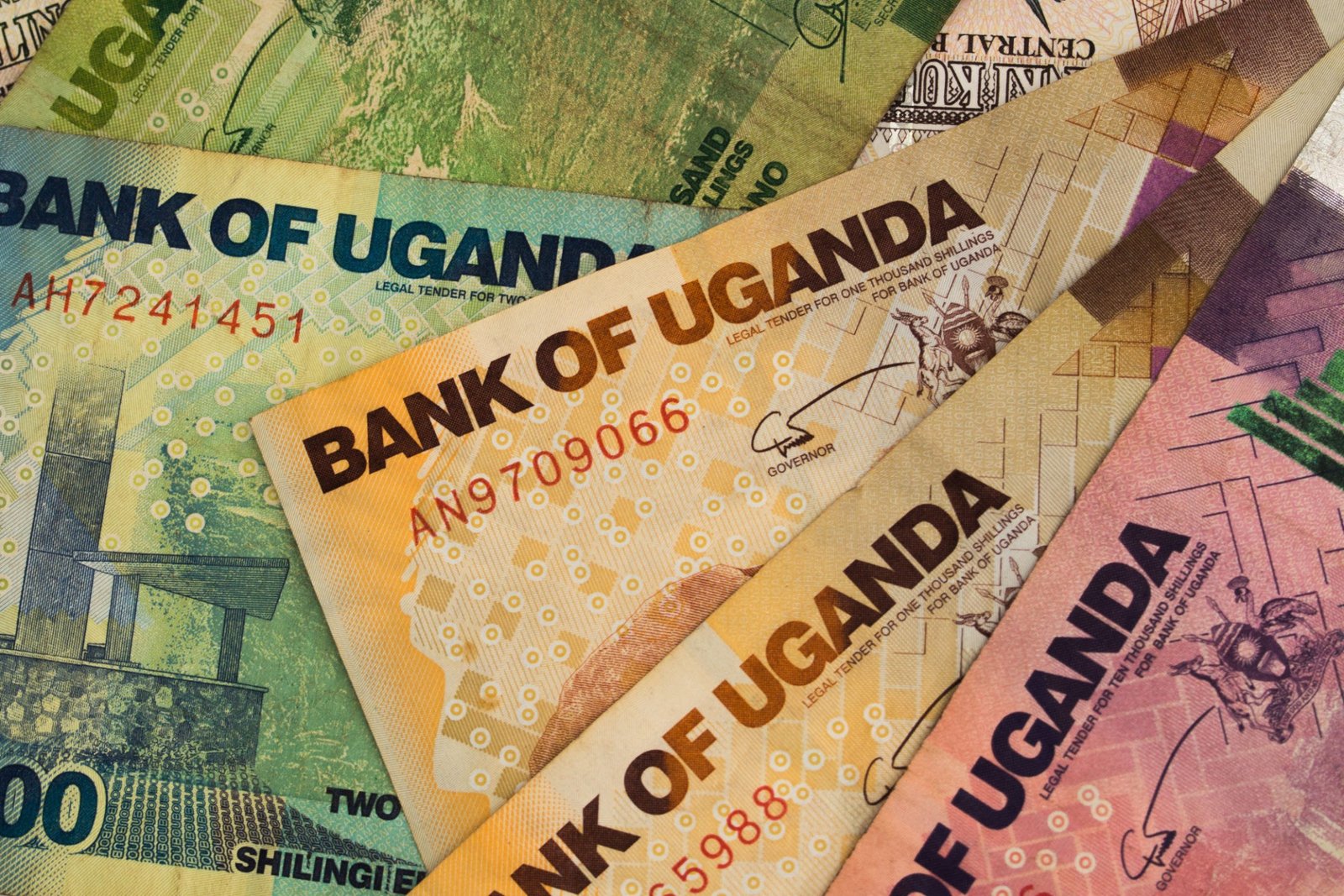
Every year, social media fills with rankings of the world’s “strongest” and “weakest” currencies. Almost without fail, Uganda’s shilling appears near the bottom, with one United States dollar buying roughly 3,600 to 3,800 shillings.
To many people, the conclusion seems obvious. If one dollar buys thousands of shillings, Uganda must have one of the world’s weakest economies. It is a simple conclusion. It is also one of the most common misconceptions in economics.
A currency’s exchange rate is only one indicator of economic performance. While Uganda continues to face genuine structural challenges, judging the country’s economic strength solely by the number of shillings exchanged for one dollar ignores the forces that determine exchange rates, the role of monetary policy, and the broader fundamentals that shape an economy.
The real question is not whether the shilling looks weak. It is what the exchange rate is actually telling us.
Why Exchange Rates Tell Only Part of the Story
Many people assume that a currency with a low numerical value is automatically weak. Economists know the reality is far more complex. An exchange rate simply tells us how many units of one currency are required to buy another. It says little about productivity, investment, living standards, or the ability of an economy to generate wealth.
Imagine Uganda introduced a new currency tomorrow by removing three zeros from the current shilling. Overnight, one US dollar would exchange for about 3.7 new shillings instead of 3,700 old ones. The currency would suddenly appear much stronger. Yet nothing fundamental would have changed.
Prices would adjust accordingly. Salaries would be converted into the new currency. Businesses would continue operating exactly as before. Uganda’s exports, imports, inflation, and purchasing power would remain the same. The lesson is simple. A currency’s face value is not a measure of national prosperity.
The History Behind Today’s Exchange Rate
Uganda’s current exchange rate reflects decades of economic history. The political instability of the 1970s, combined with the expulsion of the Asian business community, declining industrial production, international isolation, and soaring inflation, severely weakened the economy. The challenges continued through much of the 1980s as inflation accelerated and confidence in the shilling declined.
Beginning in the late 1980s, Uganda implemented wide-ranging economic reforms. Inflation was gradually brought under control, private investment increased, markets were liberalized, and economic growth resumed. Today’s exchange rate is therefore not simply a reflection of current economic conditions. It is also the result of decades of accumulated inflation, policy reforms, and structural adjustments.
What Really Determines the Value of the Shilling?

Several factors influence Uganda’s currency. Trade remains one of the most important. Uganda imports petroleum products, machinery, pharmaceuticals, vehicles, electronics, industrial equipment, and digital services that are largely priced in US dollars. Every importer purchasing these goods creates demand for foreign currency. Exports provide those dollars.
Coffee remains Uganda’s leading agricultural export, while gold, tea, fish, tourism, and service exports continue to generate foreign exchange. Commercial oil production is also expected to become an important source of export earnings. When demand for imports consistently exceeds export earnings, downward pressure develops on the exchange rate.
Inflation also matters. Countries experiencing higher inflation than their trading partners generally see their currencies lose value over time because their goods become less competitive internationally. Investor confidence plays another critical role. Political stability, sound fiscal management, low inflation, and credible institutions encourage foreign investment, increasing demand for the local currency.
The Quiet Role of the Bank of Uganda

Contrary to popular belief, the exchange rate is not left entirely to market forces. The Bank of Uganda plays an important stabilizing role through monetary policy. One of its key tools is the Central Bank Rate, which influences borrowing costs across the economy. When interest rates on Ugandan Treasury Bills and Treasury Bonds become attractive relative to those in advanced economies, foreign investors often purchase these government securities. Before buying them, investors must first convert their US dollars into Ugandan shillings. These inflows increase demand for the local currency and help support exchange rate stability.
The Bank of Uganda also maintains foreign exchange reserves, which are used to smooth excessive short-term volatility in the foreign exchange market. Rather than fixing the exchange rate at a particular level, the central bank aims to prevent sharp and disruptive movements that could undermine business confidence.
Why Businesses Follow the Dollar Every Day
Exchange rates are not only important to economists. Every Ugandan business feels their impact. Fuel importers purchase petroleum in dollars. Pharmaceutical companies import medicines using foreign currency. Manufacturers buy machinery and industrial inputs from overseas. Construction firms import specialized equipment. Airlines pay for aircraft maintenance, insurance, and leasing in dollars. Technology companies subscribe to cloud computing platforms, cybersecurity software, and artificial intelligence tools priced almost exclusively in foreign currencies.
When the shilling weakens, operating costs increase. Some businesses pass those costs to consumers through higher prices. Others absorb the additional expense, reducing profitability. Exporters often experience the opposite effect. Coffee exporters, tourism operators, and firms earning foreign currency receive more shillings for every dollar earned abroad, improving their local revenues. This explains why a weaker currency is not always harmful.
The Hidden Demand for Dollars
Trade is only one source of demand for foreign currency. Uganda is home to many multinational companies operating in banking, telecommunications, manufacturing, energy, insurance, and consumer goods. These companies earn revenues in shillings but periodically convert part of their profits into US dollars before transferring dividends to their parent companies overseas. This process, known as profit repatriation, creates a recurring demand for dollars. The government also contributes to foreign currency demand.
Although taxes are collected in shillings, a significant share of Uganda’s external debt is denominated in foreign currencies. Interest payments and principal repayments must therefore be made in US dollars, euros, or other international reserve currencies. Servicing external debt requires the government to purchase foreign currency, adding further structural pressure to the exchange rate.
The Cushion Many People Forget
One factor helping support the shilling receives far less attention than it deserves: diaspora remittances. Every year, Ugandans working abroad send home well over a billion US dollars to support families, invest in businesses, pay school fees, build homes, and finance healthcare. These inflows increase the supply of foreign currency within Uganda and provide an important cushion against sharper depreciation.
Regional trade also plays a significant role. Uganda exports manufactured goods, agricultural products, and services to neighbouring countries including South Sudan, the Democratic Republic of the Congo, Rwanda, and other East African Community markets. These regional exports generate foreign exchange while strengthening Uganda’s position as a commercial hub within East Africa.
Looking Beyond the Dollar
Professional economists rarely judge a currency solely by its exchange rate against the US dollar. Instead, they examine broader indicators. One of these is Purchasing Power Parity, which compares what money actually buys in different countries. A meal costing UGX 20,000 in Kampala might cost the equivalent of US$25 in New York. Although the exchange rate suggests the shilling is weak, its domestic purchasing power tells a more nuanced story.
Economists also use the Real Effective Exchange Rate, which compares Uganda’s currency against those of its major trading partners while adjusting for inflation. This provides a more accurate picture of whether Ugandan exports remain competitive internationally.
Why Strong Currencies Do Not Always Mean Strong Economies
Some of the world’s most successful economies have currencies that appear weak when measured against the US dollar. Japan’s yen trades at well over one hundred yen per dollar despite Japan being one of the world’s largest economies. Indonesia’s rupiah requires thousands of rupiah to purchase one dollar, yet Indonesia has become one of Southeast Asia’s leading manufacturing and consumer markets. Vietnam’s dong is among the world’s lowest-valued currencies by nominal exchange rate, yet decades of export-led industrialization have transformed Vietnam into one of Asia’s fastest-growing economies. These countries demonstrate that economic strength depends far more on productivity, exports, investment, and innovation than on the numerical value of a currency.
Uganda’s Next Economic Chapter

Uganda possesses considerable long-term economic potential. Its youthful population, fertile agricultural land, expanding regional trade links, mineral resources, improving infrastructure, and anticipated commercial oil production all provide opportunities for stronger growth.
Oil, however, should not be viewed as an automatic solution. If managed responsibly, increased foreign exchange earnings could strengthen public finances and support the shilling. If managed poorly, Uganda risks experiencing “Dutch Disease,” where large inflows of foreign currency cause the local currency to appreciate excessively, reducing the competitiveness of manufacturing and agricultural exports. Avoiding that outcome will require disciplined fiscal policy, economic diversification, and continued investment in productive sectors beyond oil.
The Bigger Picture
The exchange rate is one of the most visible economic indicators, but it is rarely the most important. Investors look beyond the headline number to productivity, inflation, exports, fiscal discipline, foreign exchange reserves, institutional quality, and business confidence. Uganda’s challenge is therefore not to chase a stronger-looking shilling. It is to build a stronger economy through industrialization, value addition, export diversification, sound macroeconomic management, and private sector growth. If those foundations strengthen, the currency will follow.
The value printed on a banknote captures attention. The strength of the economy behind it determines what that banknote is truly worth.
