
The last time Kampala trusted a fleet of buses to fix its transport chaos, the dream ended with tax collectors seizing the vehicles and a promising company collapsing into court disputes and unpaid debts.
Fourteen years later, the government is trying again. This time, the buses are electric, Ugandan-built and multiplying by the week.
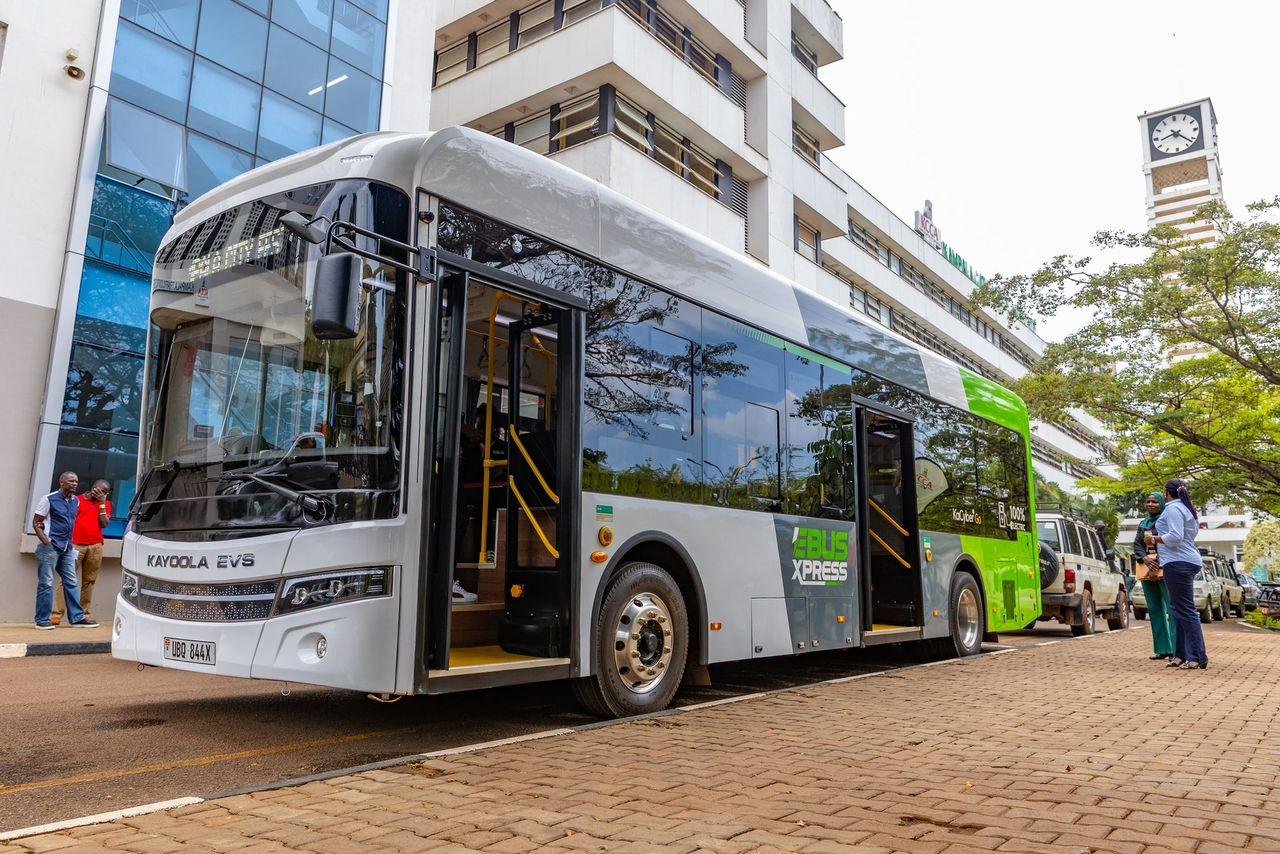
E-Bus Xpress rolled its first eight Kayoola EVS buses onto the Ntinda to City Square route via Kampala Road in May 2026, and the pace since then has barely let up. The green buses have spread into Nakawa, Bukoto, Kamwokya and Wandegeya.
Kiira Motors Corporation, the state-linked manufacturer behind the service, says it is targeting up to 300 electric buses across five routes in the Greater Kampala Metropolitan Area by June 2027, stretching as far as Entebbe, Makerere, Seeta-Namugongo and the Kampala-Jinja corridor.
The latest expansion begins this week.
Starting August 28, fifteen more Kayoola buses are scheduled to operate on three new routes into Kira Municipality, passing through Najjera, Kitukutwe, Naalya, Kyaliwajjala and Namugongo to connect some of Kampala’s fastest-growing suburbs to the city centre.
Fares on the new routes start at Shs800 for adults and Shs400 for students, below the flat Shs2,000 mobile-money fare charged on the older city routes.
Company officials describe the expansion as only the beginning. Their longer-term ambition is to have 1,500 electric buses operating across 14 cities nationwide by the early 2030s.
It is an ambition Kampala has heard before.
The Pioneer Warning
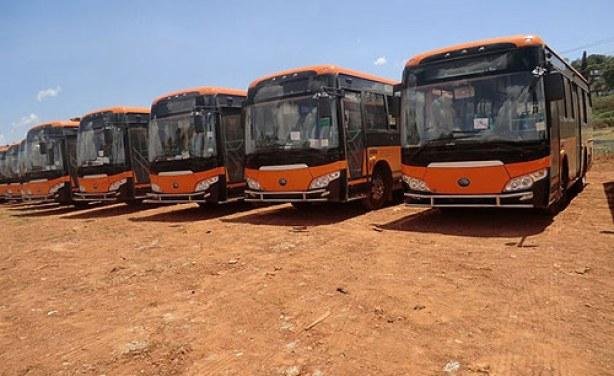
Pioneer Easy Bus arrived in Kampala with similar fanfare in March 2012, promising to bring order to a city long dominated by taxi touts and increasingly chaotic minibuses.
The company introduced large buses to routes across Kampala and was initially seen as a potential solution to the city’s growing transport crisis.
But the business quickly ran into trouble.
Within a year, the Uganda Revenue Authority had impounded its fleet over more than Shs8 billion in unpaid taxes. The company subsequently became entangled in disputes involving Kampala Capital City Authority, creditors and other stakeholders.
The buses were never necessarily the problem. The business behind them was.
That history matters because Kayoola is entering the same market with many of the same promises: predictable routes, professional operations, affordable fares and a more organised alternative to Kampala’s informal taxi system.
The difference is that Kayoola has been built around a substantially different model.
Built in Uganda, Controlled by Kiira
Kayoola is not an outside operator importing a fleet and hoping the numbers work.
The buses are manufactured by Kiira Motors Corporation, which is also involved in the wider mobility operation, including charging infrastructure and related services.
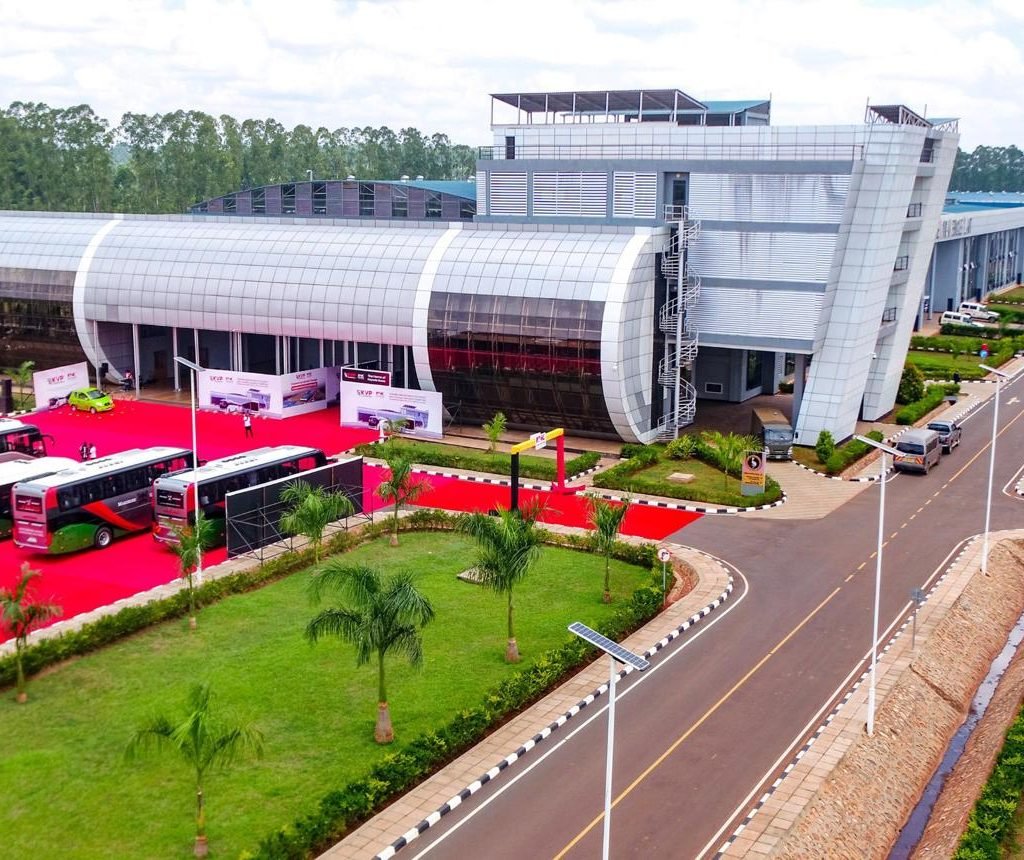
That gives the company greater control over maintenance, spare parts and technical support than Pioneer had.
It also ties the transport venture to Uganda’s broader state-backed industrialisation strategy rather than leaving it entirely dependent on the balance sheet of a private bus operator.
That structure provides advantages, but it does not eliminate the fundamental risks.
Financial discipline still matters.
So do transparent contracts, effective revenue collection, route planning, maintenance and the ability to keep buses running when the initial excitement fades.
The real test will come when the fleet grows from dozens of buses to hundreds.
Why Electric Changes the Equation
For commuters, the Kayoola proposition is considerably different from what Kampala’s taxis currently offer.
The buses eliminate diesel as a major operating cost and have fewer moving mechanical parts than conventional combustion-engine vehicles. Their digital payment system also allows passengers to pay without handling cash.
Then there is the passenger experience.
Air conditioning, Wi-Fi, real-time tracking, charging ports and onboard cameras give Kayoola a fundamentally different proposition from the cramped, hot and often unreliable taxis that dominate many of Kampala’s routes.
Whether the economics remain as attractive at scale is another question.
Electricity prices, battery life, financing costs, charging infrastructure, maintenance and daily utilisation will all determine how much of the theoretical cost advantage translates into actual savings.
If those variables are managed effectively, however, electric buses could give the operator more room to maintain relatively low fares while still investing in maintenance and fleet expansion.
The Taxi Crackdown Creates an Opening
Kayoola’s expansion is also arriving at a particularly important moment for Kampala’s transport sector.
Just as the electric buses are moving into new parts of the city, the government has launched a separate campaign against some of the most dilapidated taxis operating on Kampala’s roads.
Works and Transport Minister Fred Byamukama ordered a 100-day crackdown on what authorities have described as “Ganyegenya” taxis, vehicles in such poor condition that some have doors secured with rope, badly damaged seats and other serious mechanical defects.
The operation began on August 24, with police impounding vehicles and taking them to a KCCA yard in Nakawa.
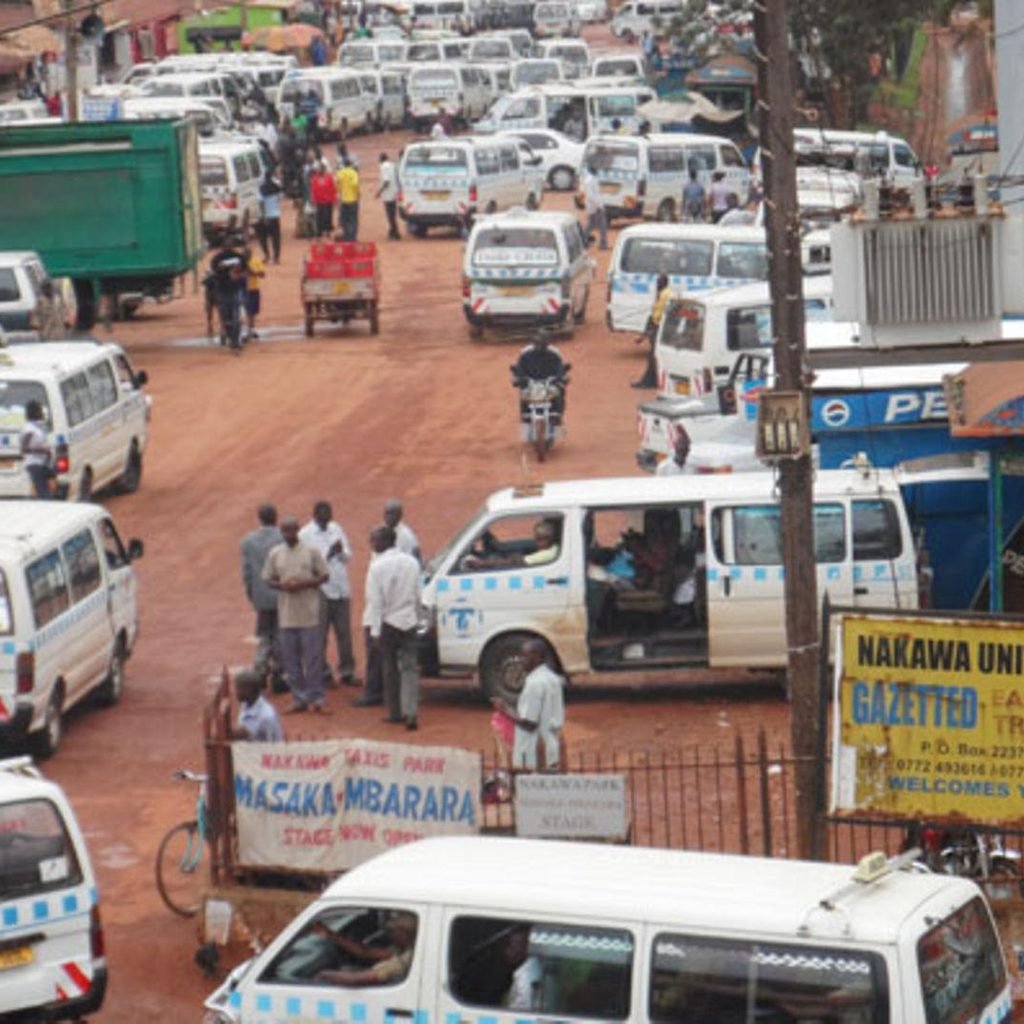
The government has stressed that the campaign is aimed at unsafe vehicles rather than the taxi industry itself.
The urgency is underscored by Kampala Metropolitan Police figures recording 1,183 road crash deaths in 2025.
Byamukama has also acknowledged that previous efforts to address the problem have struggled to deliver lasting results.
“This thing has been on for a long time,” he said. “So we better do it or never do it.”
That is where the Kayoola story becomes more than a story about electric vehicles.
One Problem Creates an Opportunity
The crackdown and the electric-bus expansion are, in many ways, two sides of the same transport story.
As authorities remove the most dangerous and poorly maintained taxis from key corridors, they create a gap in the market.
A growing network of professionally operated buses could help fill that gap.
But only if it can scale.
Kampala’s transport crisis is not simply a shortage of vehicles. It is a problem of capacity, reliability, route management, congestion, affordability, enforcement and economics.
Putting more buses on the road will not automatically solve those problems.
Kayoola will need to demonstrate that its routes can remain commercially viable, that buses can be maintained consistently, that charging infrastructure can keep pace with fleet growth and that passenger demand is strong enough to support expansion.
It will also have to navigate Kampala’s notorious congestion and the competitive reality of a transport system dominated by informal operators.
The Real Test Comes Later
That is why the comparison with Pioneer is difficult to escape.
Buses do not fail simply because of what powers them.
They fail because of how they are managed, how they are financed and whether operational discipline survives beyond the launch period.
Kayoola has several advantages Pioneer did not have: local manufacturing, greater control over its technology and supply chain, state backing and a transport model built around electric mobility.
But those advantages will only matter if they translate into a sustainable business.
Kampala has watched shiny new buses arrive before, accompanied by promises that they would transform the city’s transport system.
The difference this time will not ultimately be the colour of the buses, the technology inside them or whether they run on electricity instead of diesel.
It will be whether Kayoola can keep them on the road, keep fares affordable and keep the business financially healthy as the fleet grows.
The first buses are already moving through Kira, Ntinda and other parts of the capital.
For now, the experiment is working.
Whether Kayoola writes a different ending from Pioneer, or simply a slower version of the same story, will be decided not at the launch ceremony but on Kampala’s roads in the years ahead.
