
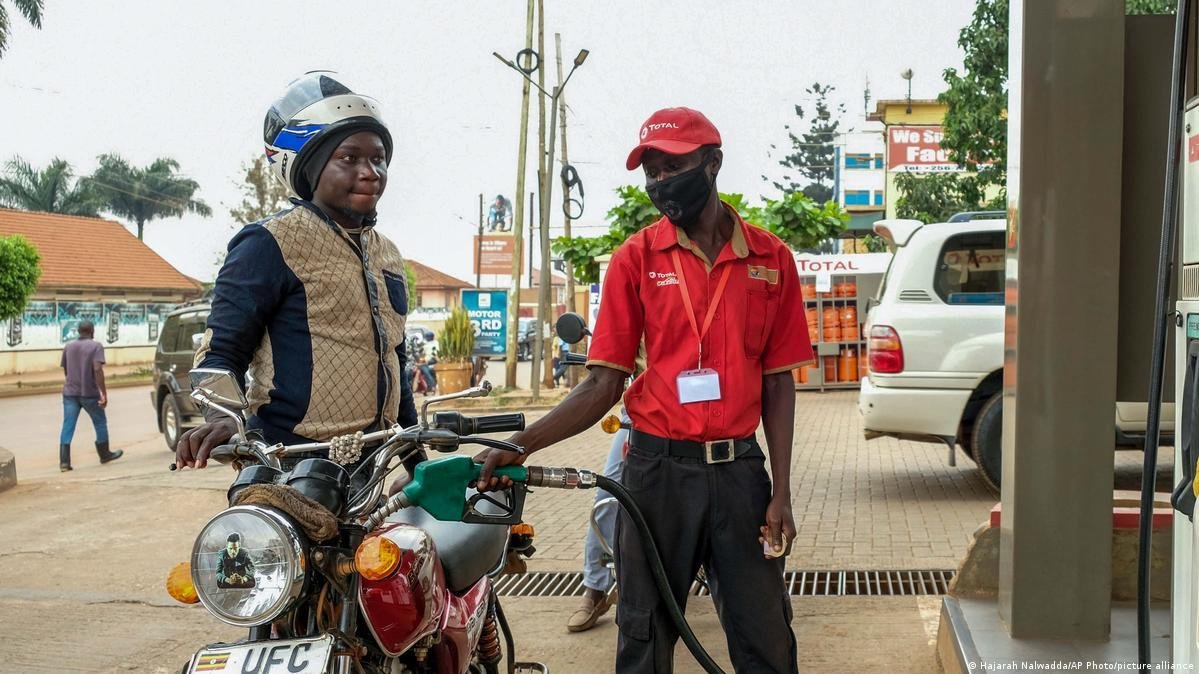
Uganda’s rising fuel prices are changing the economics of one of the country’s most important informal businesses. For boda-boda riders, every increase at the pump raises the cost of completing a trip. For passengers, higher operating costs create pressure for higher fares at a time when household budgets are already under strain.
The result is a difficult business equation: riders need higher fares to protect their margins, while passengers are becoming less willing to pay them.
Uganda’s fuel prices have climbed sharply in 2026. Kampala’s highest reported pump prices reached Shs6,499 per litre for petrol and Shs6,599 for diesel on June 15, according to data reported by Daily Monitor. By July, the Uganda Bureau of Statistics reported annual headline inflation of 4.0 percent, up from 3.7 percent in June, with higher fuel prices contributing to pressure on prices across the economy.
For boda-boda operators, the effect is immediate because fuel is a daily operating expense. A rider covering several trips across Kampala has little room to absorb a sustained increase in petrol prices. Unlike a salaried worker whose monthly income is fixed, a rider’s earnings depend on the number of passengers served, the distance travelled and the fare paid on each trip.
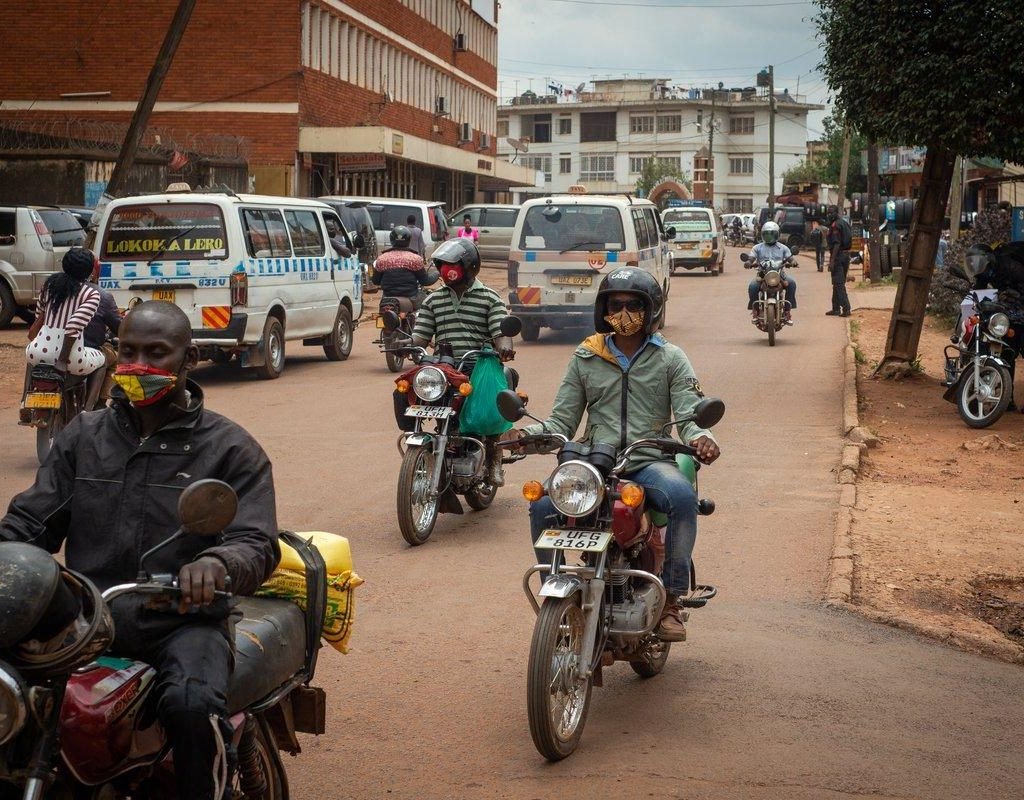
The pressure was already visible earlier in the year. In April, riders in several parts of Uganda reported declining earnings as passengers resisted fare increases. In Kisoro, about 20 percent of riders using hired motorcycles reportedly returned their motorcycles because higher fuel costs had made the business harder to sustain.
The problem becomes more severe for riders who do not own their motorcycles. Many riders operate motorcycles acquired through hire-purchase arrangements. Their daily earnings must cover fuel before they meet motorcycle repayments, maintenance, food and other household expenses. A rider therefore faces a fixed financial obligation while dealing with a variable income.
The economics are straightforward. If a rider spends Shs15,000 on fuel in a day and earns Shs40,000 from fares, Shs25,000 remains before maintenance, motorcycle repayments, and other expenses. If fuel costs rise by another Shs1,000 without a corresponding increase in fares or passenger numbers, the rider’s disposable income falls by the same amount.
Raising fares offers an obvious solution, but demand limits how far riders can go. Reports from Kagadi earlier this year showed riders increasing fares after petrol prices rose, only to find some passengers resisting the higher charges. In Nebbi, one boda-boda route reportedly saw fares rise from Shs10,000 to Shs20,000 as local fuel prices reached Shs8,000 per litre.
This creates a price dilemma. If riders keep fares unchanged, their margins shrink. If they increase fares, some customers reduce their trips, negotiate harder, or choose cheaper alternatives. The passenger therefore becomes part of the adjustment mechanism.
Daily Monitor reported in April that some commuters had started walking rather than accept higher transport charges. Riders interviewed at the time said customer numbers had fallen sharply, leaving them with fewer trips to spread their fuel costs across.
The fuel shock also exposes the financial vulnerability of the wider boda-boda economy. Daily Monitor reported in May that the 2026 Excise Duty Amendment Act increased the excise duty payable at first registration of a motorcycle from Shs200,000 to Shs500,000. The sector also carries fuel-related taxes, financing costs, insurance, and maintenance expenses. This means the cost of operating a boda-boda is determined by much more than the price displayed at a fuel station. Yet the pressure is also creating an incentive for an alternative business model.
Electric motorcycles are gaining attention as fuel prices rise. In August, stakeholders in Uganda’s electric mobility sector called for cheaper electricity and lower battery costs to support wider adoption. For riders, the question is increasingly financial rather than environmental: which motorcycle gives the lowest cost per kilometre while still generating enough income to cover financing and household needs?
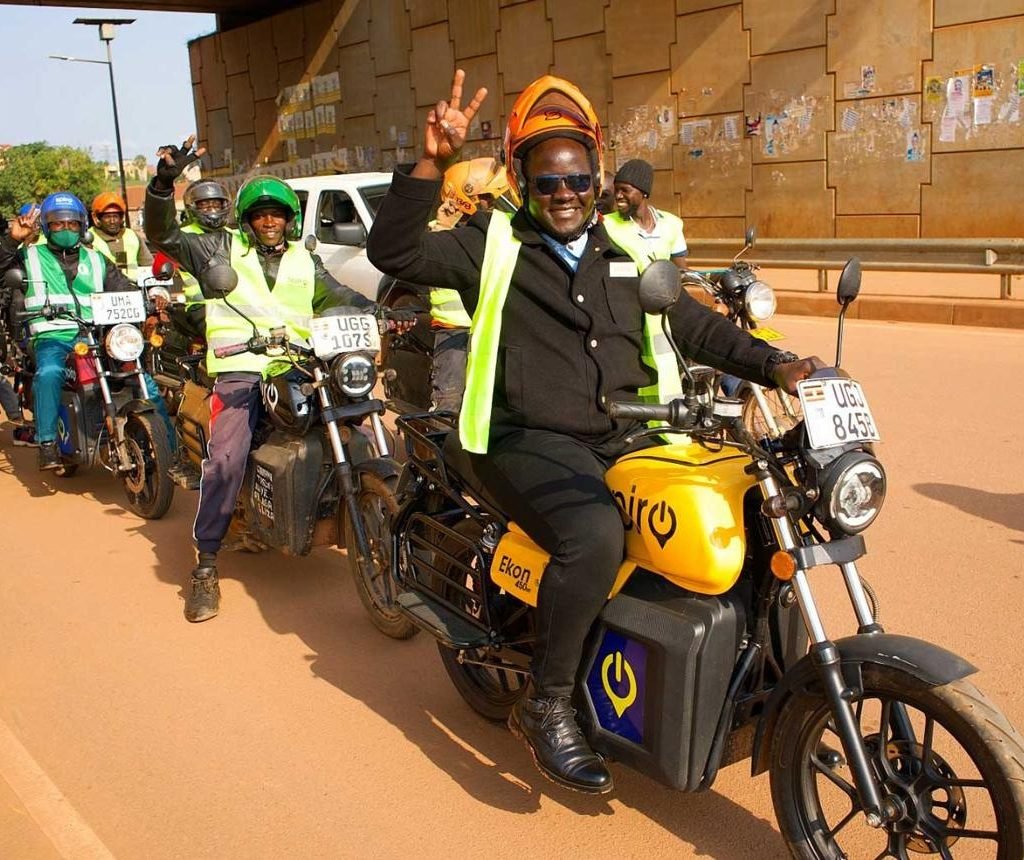
Uganda’s boda-boda economy is therefore facing a cost test. Rising fuel prices are squeezing riders, but passengers have limited capacity to absorb higher fares. The businesses that survive the pressure will depend on how effectively riders manage fuel, financing and maintenance costs, and whether alternative technologies become affordable enough to change the economics of motorcycle transport.
For now, the fuel shock is being shared across the market. Riders are losing part of their margins, passengers are paying more or travelling less, and the cost of moving around Uganda’s cities is becoming an increasingly important business expense.
