
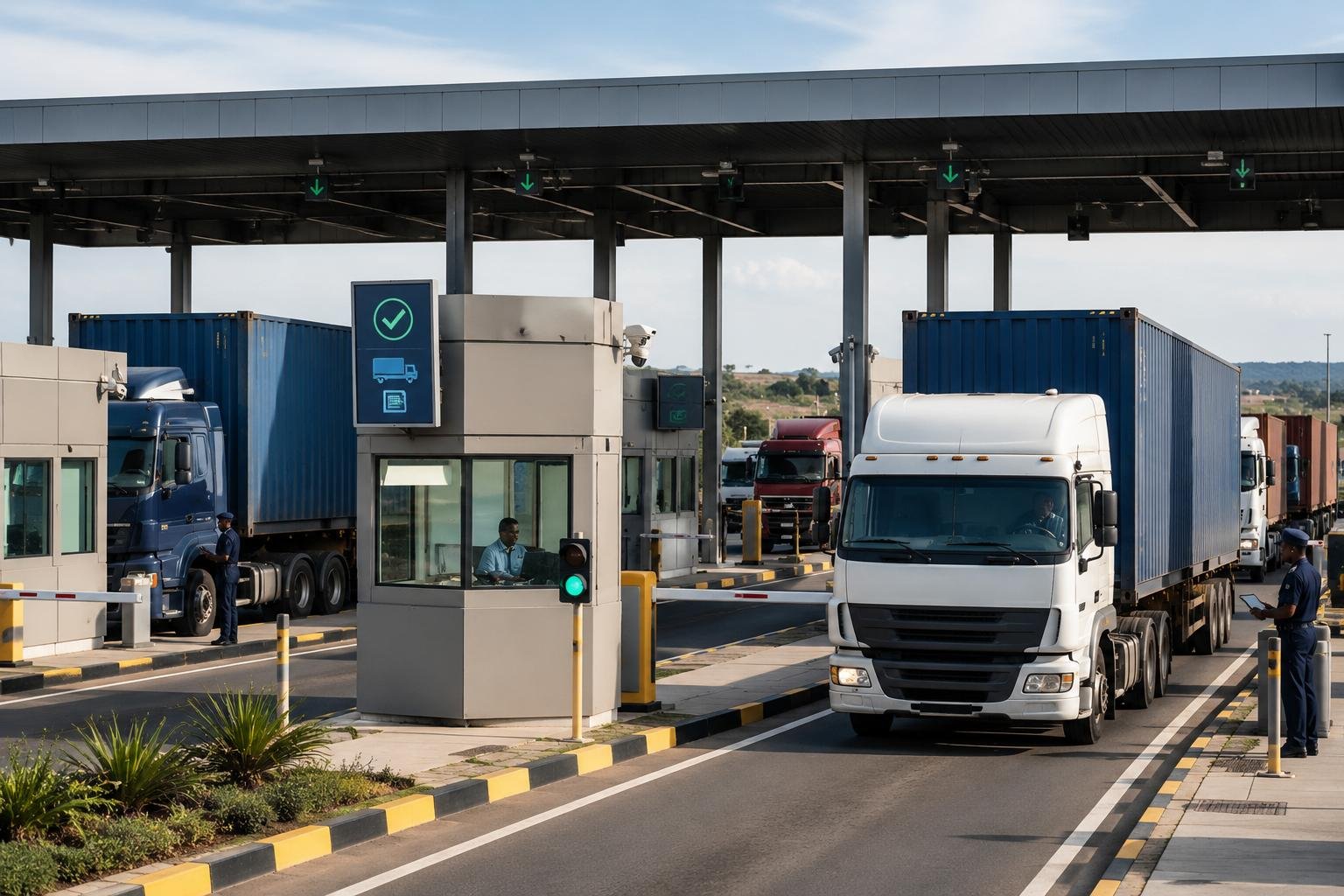
Africa is building a digital highway for cross-border trade after the African Continental Free Trade Area (AfCFTA) Secretariat and Ghanaian technology company Quest Ghana Limited signed a joint venture agreement to establish a continental Digital Trade Corridor.
The venture, valued at US$5.17 billion by Quest Ghana, will build digital infrastructure for payments, commodity trading, marketplaces, and logistics as African countries seek to expand intracontinental trade.
The agreement was signed in Accra on August 31 and will see the joint venture headquartered in Victoria, Seychelles, with the Seychelles government providing sovereign support. The agreement follows a memorandum of understanding signed in March and Cabinet approval by Seychelles in July. The initiative comes as the AfCFTA seeks to move beyond establishing trade rules towards building the systems businesses need to use them.
Africa traded more than US$220 billion in goods and services in 2024, according to AfCFTA Secretary-General Wamkele Mene. The new corridor is intended to help raise intra-African trade from about US$200 billion to US$500 billion and beyond.
At the Centre of the project will be a digital marketplace connecting businesses across African markets. The platform is expected to integrate trading, logistics, tracking, and settlement, giving businesses a single digital environment for cross-border transactions.
A second component will focus on interoperable payments. The system is intended to allow businesses to settle transactions across African currencies without relying on external intermediaries for every cross-border payment.

The initiative will operate alongside existing continental payment infrastructure, including the Pan-African Payment and Settlement System (PAPSS). AfCFTA officials have stressed that the new architecture does not replace the authority of national central banks over exchange-rate determination.
For African businesses, the potential benefit is less about technology for its own sake and more about reducing the friction surrounding trade. A small manufacturer selling products across a neighboring border still has to contend with payment systems, currency conversion, logistics, documentation, and fragmented market access. A digital system linking these functions could reduce some of those barriers and make cross-border transactions easier to execute.
The corridor will also establish a digital African Minerals and Commodities Exchange. The platform is expected to provide trading, tracking, and settlement services for minerals and commodities, while giving African producers greater participation in how their resources are traded and valued.
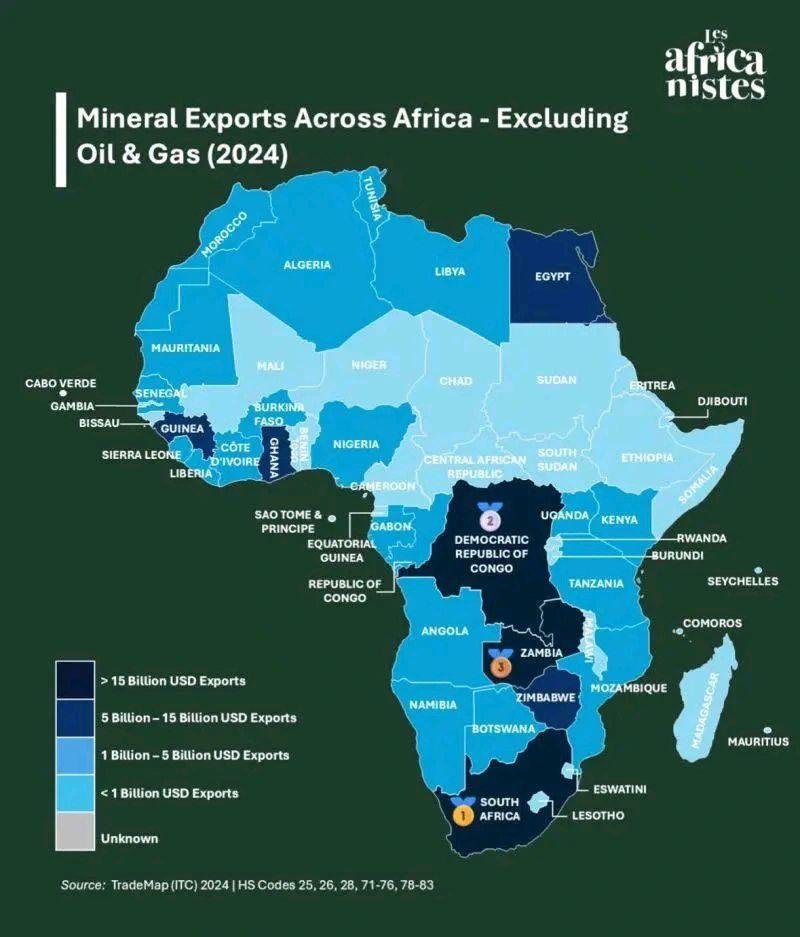
Quest Ghana has proposed a Fair Value Index as part of the commodities exchange, aimed at strengthening African producers’ influence over commodity pricing. The project is expected to be rolled out in phases, beginning with a pilot involving five to eight African countries before wider expansion.
Seychelles will provide the institutional base for the venture. The government has approved land for the headquarters in Victoria and is positioning the country as a hub for the emerging digital trade infrastructure.
The US$5.17 billion figure attached to the project requires some qualification. Quest Ghana values the venture at that amount, but AfCFTA has clarified that the figure should not be interpreted as a single upfront cash investment. The Secretariat separately said more than US$5.1 billion in private-sector investment has been mobilized with government support for Africa’s digital infrastructure, while the annual cost of payments for intra-African trade is estimated at more than US$5 billion.
That distinction matters because the commercial value of the corridor will ultimately depend on whether businesses use it and whether it lowers the cost and complexity of trading across borders.
The broader economic opportunity is substantial. The AfCFTA brings together 55 African Union member states into a market of about 1.4 billion people with a combined GDP of approximately US$3.4 trillion. For the continent’s businesses, especially smaller firms seeking customers beyond their home markets, the success of AfCFTA will increasingly depend on what happens after trade agreements are signed.
The new Digital Trade Corridor is an attempt to build that missing layer. Africa has spent years negotiating how countries should trade with one another. The next challenge is building the digital infrastructure that makes those rules usable.
